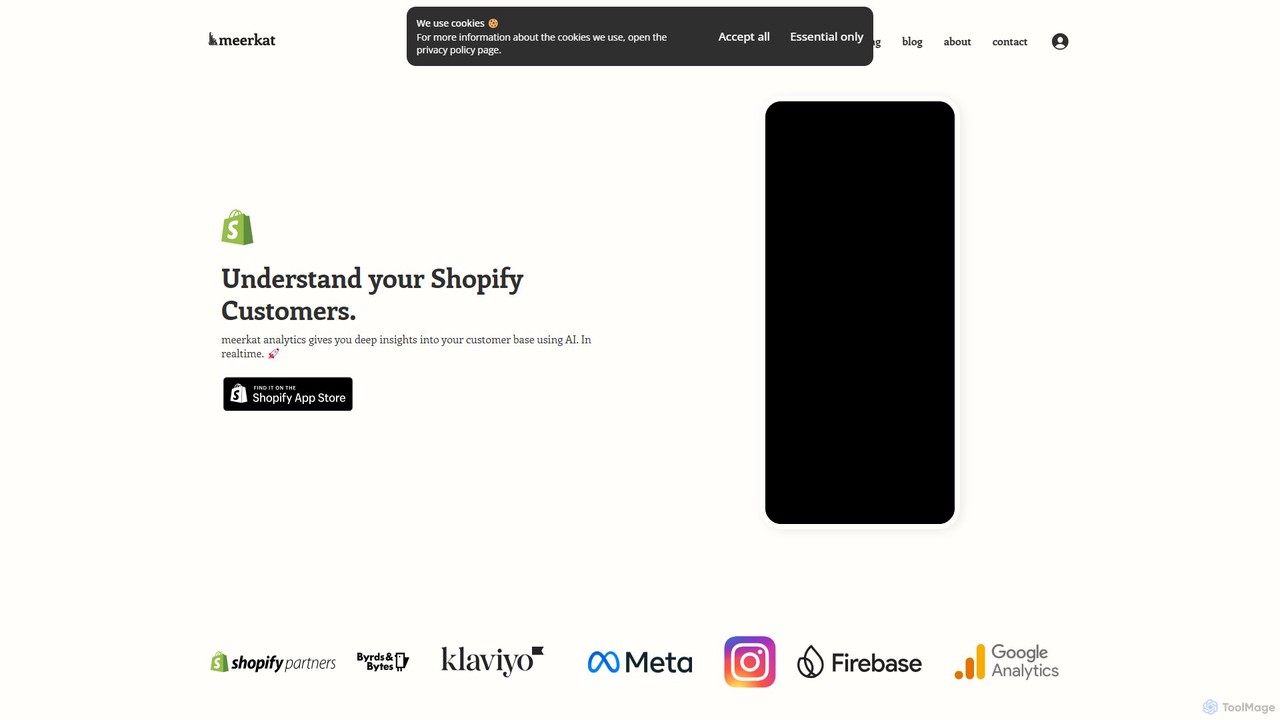
meerkat
Meerkat is an AI-powered, headless Content Management System (CMS) designed for modern development and marketing teams. It streamlines …
Meerkat is an AI-powered, headless Content Management System (CMS) designed for modern development and marketing teams. It streamlines content creation with AI assistance, automates SEO optimization, and enables personalized user experiences through its flexible API-first architecture, boosting productivity and digital engagement.
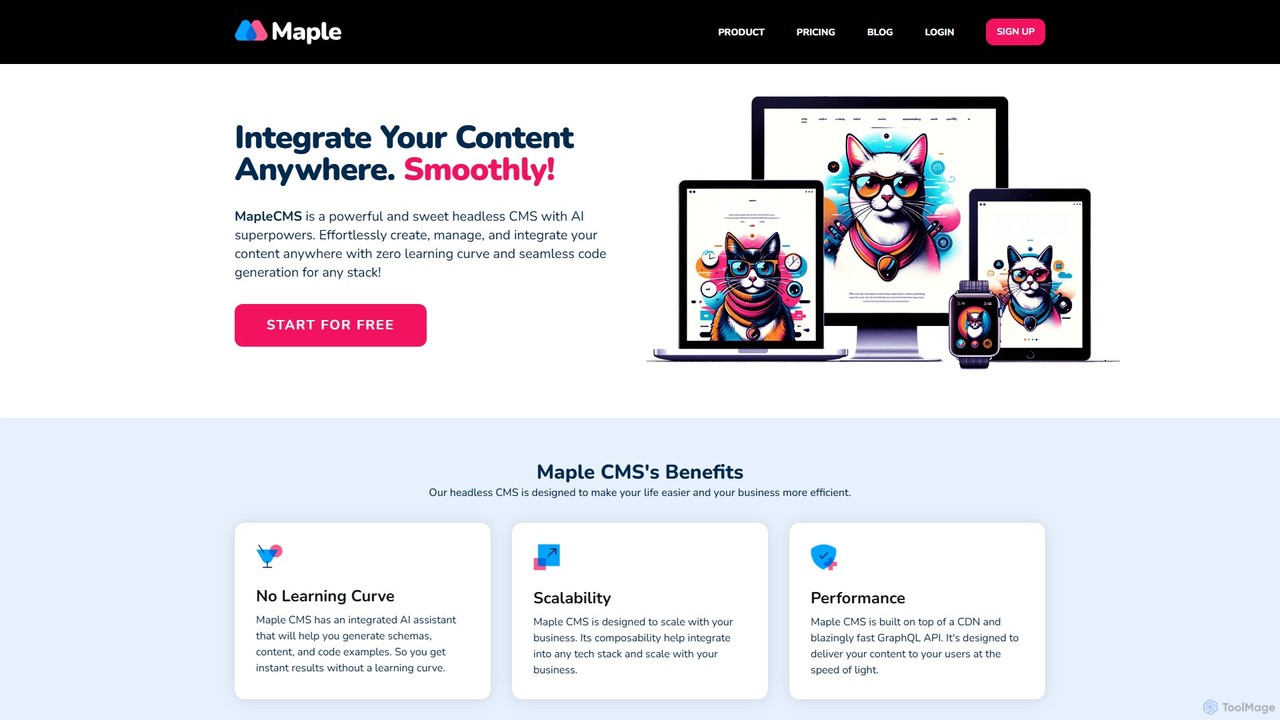
MapleCMS
MapleCMS is a powerful, developer-first headless CMS supercharged with AI. It enables users to effortlessly create, manage, and …
MapleCMS is a powerful, developer-first headless CMS supercharged with AI. It enables users to effortlessly create, manage, and integrate content anywhere using a fast GraphQL API and a global CDN. With an integrated AI assistant, it offers a zero learning curve experience for developers, content creators, and marketers, streamlining workflows from schema generation to content creation and code implementation.
Sanity
Sanity is a composable content platform, often called a "Content Operating System," designed for developers and content creators. …
Sanity is a composable content platform, often called a "Content Operating System," designed for developers and content creators. It provides a customizable, real-time backend with a powerful query language (GROQ), serverless functions, and integrated AI capabilities. It enables teams to build scalable, content-driven experiences for any channel, from websites to AI applications.
Cosmic
Cosmic is an intelligent, API-first headless CMS designed to accelerate application development. It empowers developers with flexible APIs …
Cosmic is an intelligent, API-first headless CMS designed to accelerate application development. It empowers developers with flexible APIs and SDKs, while providing content creators with an intuitive editor and AI-powered tools for content generation, translation, and optimization. Cosmic streamlines collaboration, enabling teams to build and ship content-powered apps faster.
About Headless Cms
Headless CMS (Content Management System) are a type of developer tool that decouples the content repository from the presentation layer. Unlike traditional CMS, a Headless CMS provides content purely as data via APIs, allowing developers to deliver it to any frontend, device, or platform. This architecture offers unparalleled flexibility, enabling businesses to create dynamic, multi-channel digital experiences with greater speed and control.
Core Features
- API-First Architecture: Content is accessed and delivered exclusively through robust APIs (RESTful, GraphQL).
- Flexible Content Modeling: Define custom content structures and relationships to fit any data type.
- Multi-Channel Publishing: Distribute content seamlessly across websites, mobile apps, IoT devices, and more.
- Developer Empowerment: Provides SDKs, CLIs, and clear documentation for efficient frontend development.
- Scalability & Performance: Designed to handle high traffic and deliver content rapidly across global networks.
Use Cases
Headless CMS are ideal for organizations building modern digital experiences that require content flexibility and multi-channel delivery. They are widely adopted by development teams creating single-page applications (SPAs), progressive web apps (PWAs), and native mobile applications. Businesses aiming for a unified content strategy across various touchpoints, from e-commerce platforms to smart devices, leverage Headless CMS for centralized content management and distribution.
How to Choose
When selecting a Headless CMS, prioritize robust API capabilities (GraphQL support is a plus) and intuitive content modeling features that align with your data structures. Evaluate its integration ecosystem for compatibility with your existing tech stack, including frontend frameworks and e-commerce platforms. Consider scalability, performance, and the quality of developer documentation and community support to ensure a smooth development and deployment process.
Headless CmsUse Cases
Building Omni-Channel Digital Experiences
An e-commerce company needs to deliver product information, blog posts, and promotional content consistently across its website, iOS/Android mobile apps, and even smart display kiosks. Using a Headless CMS, content strategists manage all content centrally, while developers consume it via APIs to build tailored frontends for each channel, ensuring a unified brand message and efficient content updates.
Accelerating Modern Web Application Development
A development team is building a high-performance Single-Page Application (SPA) using React. Instead of a monolithic CMS, they integrate a Headless CMS. This allows frontend developers to work independently, fetching content through APIs as needed, significantly speeding up development cycles and enabling greater flexibility in choosing frontend technologies without backend constraints.
Powering IoT Device Content Delivery
A smart home device manufacturer wants to update messages, alerts, or localized content displayed on their smart thermostats or voice assistants. With a Headless CMS, content editors can easily manage and schedule these updates. The IoT devices then fetch the latest content via lightweight APIs, ensuring timely and relevant information delivery to users without complex firmware updates.
Implementing Personalized Content Marketing
A marketing team aims to deliver highly personalized content to users based on their browsing history and preferences across email, social media, and their website. A Headless CMS stores content components (articles, images, CTAs) as structured data. Marketing automation tools then use APIs to pull and assemble these components dynamically, creating tailored experiences for individual users.
Creating Scalable Enterprise Knowledge Bases
A large enterprise needs a centralized system to manage extensive internal documentation, FAQs, and training materials for various departments. A Headless CMS allows content creators to structure and categorize this information efficiently. Developers can then build custom internal portals, chatbots, or integrate with existing CRM systems using the CMS's APIs, ensuring employees always access the most current and relevant knowledge.
Supporting Multi-Language and Multi-Region Websites
A global corporation operates websites in multiple languages and regions, each with specific content requirements. A Headless CMS provides robust localization features, allowing content managers to create, translate, and publish content for different locales from a single interface. Frontend teams then use APIs to retrieve the correct language and region-specific content, streamlining global content delivery and management.