
ToolMage
Sign in

Best 1 Legacy Management AI tools for Digital Identity

Popular Legacy Management AI tools in Digital Identity include DoppBot, helping you work more efficiently.

DoppBot
Freemium

DoppBot

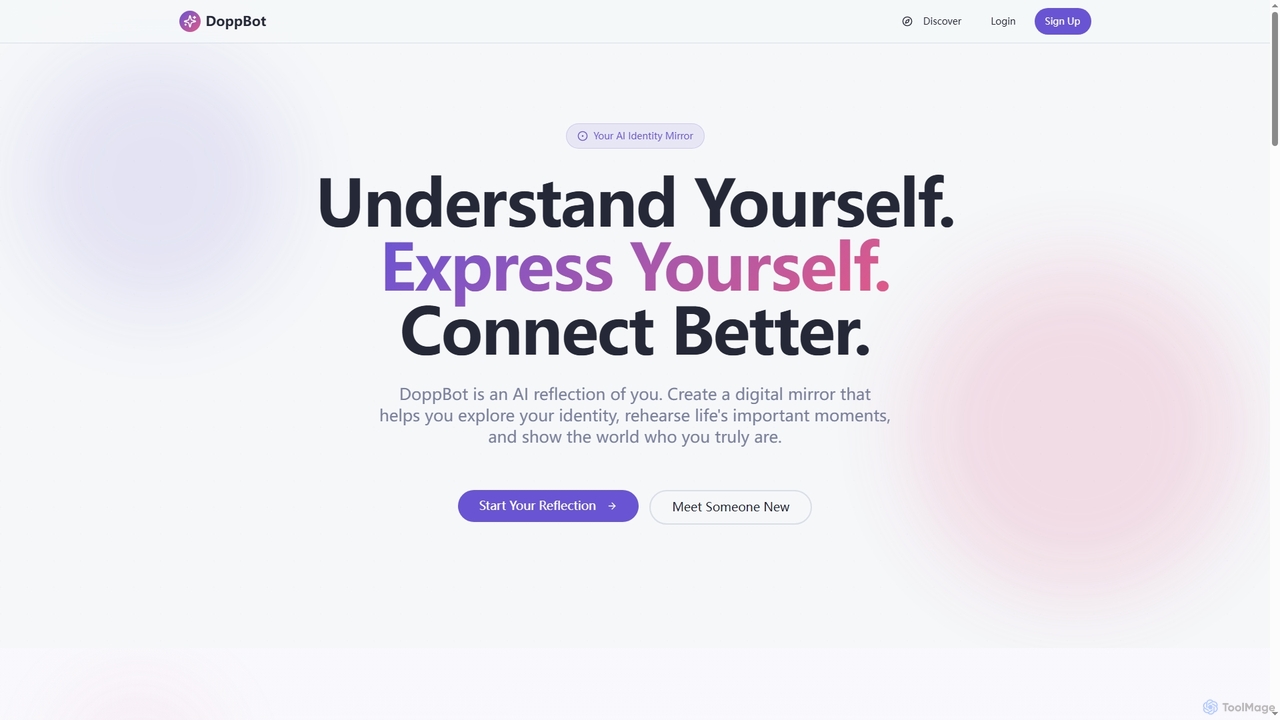
DoppBot is an innovative AI reflection tool that creates a digital mirror of your identity. It helps users understand themselves better, express their true self, and improve interactions by providing a safe space to explore thoughts, rehearse conversations, and preserve personal legacies.

Practice
Visits 5.7KFavorites 144Likes 142

About Legacy Management

Legacy Management tools are AI-powered solutions designed to address the complexities of outdated IT systems, applications, and data, particularly concerning digital identities. These tools leverage advanced algorithms to analyze, migrate, integrate, and modernize legacy identity infrastructures. Their primary value lies in enabling organizations to maintain operational continuity, enhance security, ensure compliance, and facilitate seamless digital transformation by bridging the gap between historical and modern identity management systems.

Core Features

  • Automated Data Migration: Intelligently transfers identity data from legacy databases to modern platforms, ensuring integrity and minimizing downtime.
  • System Interoperability: Facilitates seamless communication and data exchange between disparate legacy and modern identity systems.
  • Compliance & Risk Assessment: Analyzes legacy identity data for regulatory compliance gaps and identifies potential security vulnerabilities.
  • Identity Decommissioning: Safely and systematically retires outdated identity systems and associated data, preventing data breaches and reducing operational overhead.

Applicable Scenarios

Organizations undergoing digital transformation often face challenges with legacy identity systems that hinder progress. Legacy Management tools are crucial for enterprises needing to consolidate multiple identity stores, migrate user authentication systems to cloud-based solutions, or ensure historical access logs meet current audit requirements. They support IT departments in modernizing their identity infrastructure without disrupting ongoing operations.

How to Choose

When selecting Legacy Management tools, consider their compatibility with your existing legacy systems and target modern platforms. Evaluate the breadth of their data migration capabilities, including support for various data formats and schemas. Assess their integration flexibility with your current identity and access management (IAM) solutions. Finally, prioritize tools offering robust security features and comprehensive compliance reporting to mitigate risks associated with sensitive identity data.

Legacy Management use cases

1

Migrating On-Premise Identity Data to Cloud IAM

For large enterprises moving their user directories and authentication services from local servers to cloud-based Identity and Access Management (IAM) solutions. These tools automate the mapping, transformation, and secure transfer of millions of user accounts, roles, and permissions, ensuring a smooth transition without service interruption or data loss, significantly reducing manual effort and potential errors.

2

Integrating Disparate Legacy Authentication Systems

Companies with mergers or acquisitions often inherit multiple, incompatible authentication systems. Legacy Management tools enable the integration of these diverse systems into a unified identity platform, allowing users to access all resources with a single sign-on (SSO) experience while maintaining granular access control and security policies across the consolidated environment.

3

Ensuring Compliance for Historical Access Logs

Regulatory bodies often require long-term retention and auditability of access logs, even from systems no longer in active use. These tools help extract, normalize, and archive historical identity and access data from decommissioned or aging systems into a searchable, compliant format, facilitating audits and demonstrating adherence to data governance standards like GDPR or HIPAA.

4

Modernizing Legacy Identity Provisioning Workflows

Many organizations rely on manual or script-based processes for user provisioning and de-provisioning in older systems. Legacy Management solutions automate these workflows, connecting legacy HR systems with modern identity platforms to ensure timely and accurate account creation, modification, and deletion, improving security posture and operational efficiency.

5

Decommissioning Outdated Identity Management Systems

When an organization replaces an old Identity Management (IdM) system, safely retiring the legacy infrastructure is critical to prevent security vulnerabilities and reduce maintenance costs. These tools assist in systematically identifying, extracting, and migrating all relevant identity data before securely wiping and decommissioning the old system, ensuring no sensitive information is left behind.

6

Assessing Security Risks in Legacy Identity Stores

Older identity databases may contain vulnerabilities due to outdated security protocols or unpatched software. Legacy Management tools can scan these systems, identify weak passwords, unencrypted sensitive data, or misconfigured access controls, providing actionable insights to remediate risks before migrating data or integrating with modern systems, thereby strengthening overall digital identity security.

Legacy Management FAQ

What is Legacy Management in the context of Digital Identity?

Legacy Management, within Digital Identity, refers to the strategic process of handling outdated IT systems, applications, and data that are critical for managing user identities and access. It involves tools and methodologies to migrate, integrate, modernize, or safely decommission these legacy components, ensuring that historical identity data remains secure, compliant, and interoperable with modern identity management solutions. The goal is to bridge the gap between old and new identity infrastructures.

How do Legacy Management tools help with digital transformation?

Legacy Management tools are crucial for digital transformation by enabling organizations to overcome the hurdles posed by outdated identity systems. They facilitate the smooth migration of user identities and access policies to modern cloud-based platforms, integrate disparate identity silos, and ensure continuous compliance with evolving data regulations. By streamlining the transition from legacy to modern identity infrastructure, these tools accelerate digital initiatives, reduce operational friction, and enhance overall security posture.

What are the key challenges in managing legacy identity systems?

Managing legacy identity systems presents several challenges, including data silos, security vulnerabilities from outdated protocols, high maintenance costs, and difficulty integrating with modern applications. Compliance with new data privacy regulations (e.g., GDPR, CCPA) becomes complex when identity data is scattered across old, unmanaged systems. Additionally, a lack of skilled personnel familiar with legacy technologies can hinder modernization efforts, leading to operational inefficiencies and increased risk.

What features should I look for in a Legacy Management solution for identity?

When selecting a Legacy Management solution for identity, prioritize features such as automated data discovery and classification, robust data migration capabilities with transformation rules, and flexible integration options for various identity providers (IdPs) and applications. Look for strong security features like encryption and access controls, comprehensive compliance reporting, and tools for systematic decommissioning of old systems. Scalability and support for hybrid cloud environments are also critical considerations.

How does Legacy Management differ from general System Modernization?

While both aim to update IT infrastructure, Legacy Management specifically focuses on the lifecycle of outdated systems, data, and processes, often with an emphasis on maintaining continuity and compliance during the transition. In the context of Digital Identity, it's about ensuring identity data integrity and security across generations of systems. General System Modernization is a broader term encompassing all aspects of updating technology, which may include Legacy Management as a component, but also covers new development, infrastructure upgrades, and process re-engineering beyond just managing the "legacy" aspect.