niia
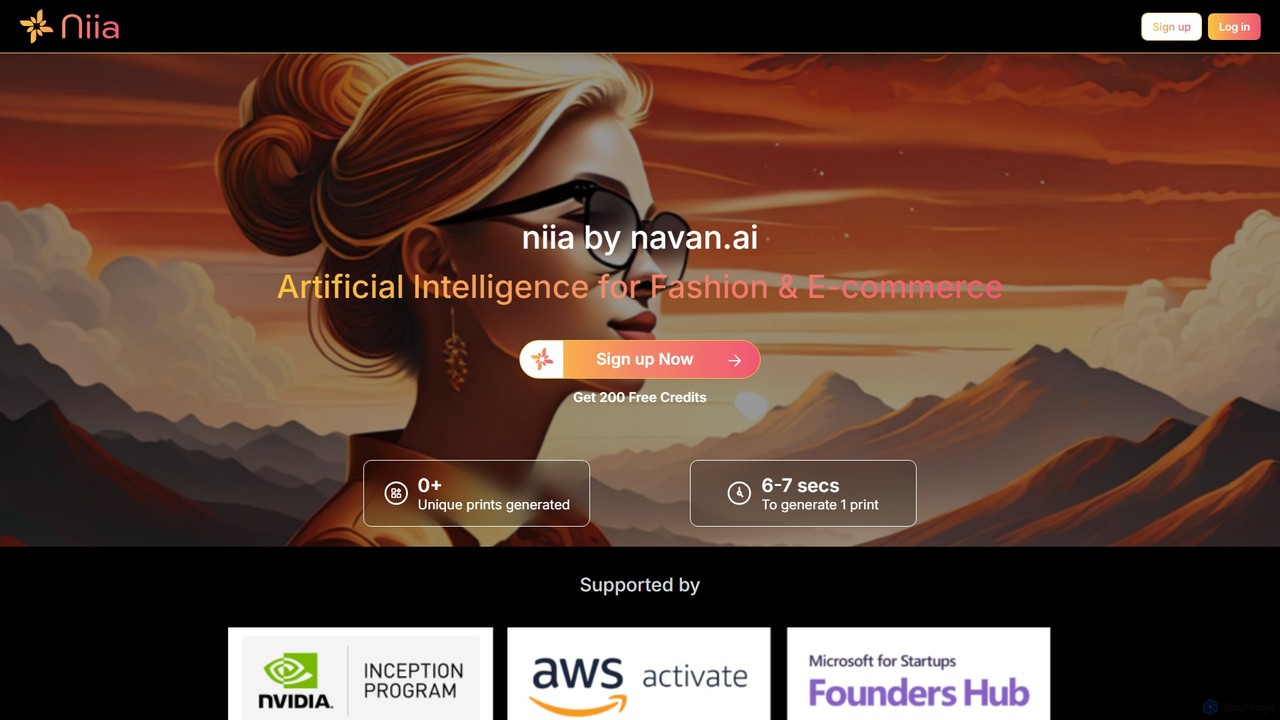
niia is an AI-powered platform for the fashion and e-commerce industry, enabling users to generate unique apparel prints, …
niia is an AI-powered platform for the fashion and e-commerce industry, enabling users to generate unique apparel prints, create realistic 3D mockups, and automate product cataloging. It streamlines the entire process from design conception to online sales.
About Fashion
Fashion AI tools are specialized artificial intelligence applications designed to innovate and optimize various aspects of the fashion industry, from design and manufacturing to retail and customer engagement. Leveraging advanced algorithms, these tools analyze vast datasets to predict trends, personalize experiences, and streamline operations. Within the broader E-commerce landscape, they empower fashion brands to enhance online product visualization, improve inventory management, and deliver highly tailored shopping journeys. This integration drives efficiency, reduces waste, and fosters deeper customer connections, ultimately transforming how fashion is created, marketed, and consumed.
Core Features
- Trend Prediction: Analyzes social media, sales data, and cultural signals to forecast upcoming fashion trends with high accuracy, guiding collection development and reducing design risk.
- Virtual Try-On: Enables customers to digitally try on garments and accessories using augmented reality (AR) or virtual reality (VR) technology, significantly enhancing the online shopping experience and reducing return rates.
- Personalized Recommendations: Suggests products to individual shoppers based on their style preferences, browsing history, and purchase patterns, leading to increased conversion rates and customer satisfaction.
- AI-Powered Design: Assists designers in generating new patterns, styles, and material combinations, accelerating the creative process and exploring novel aesthetics beyond human intuition.
- Supply Chain Optimization: Forecasts demand and manages inventory levels to reduce overproduction, minimize waste, and ensure timely delivery of fashion items, improving sustainability and profitability.
Applicable Scenarios
Fashion brands and retailers utilize these tools extensively to create more relevant and sustainable collections, optimize their online stores for maximum engagement, and provide unique, personalized customer experiences. They are crucial for accelerating product development cycles, responding swiftly to dynamic market shifts, and managing complex global supply chains efficiently. From concept generation and material sourcing to marketing campaigns and post-purchase support, AI streamlines every step of the fashion value chain, empowering businesses to stay competitive and innovative in a fast-paced industry.
Selection Criteria
When selecting Fashion AI tools, consider the specific business need, such as enhancing design creativity, improving marketing effectiveness, or optimizing inventory management and logistics. Evaluate the tool's integration capabilities with existing E-commerce platforms, customer relationship management (CRM) systems, and enterprise resource planning (ERP) systems to ensure seamless data flow. Assess the accuracy and sophistication of its underlying AI models, particularly for trend prediction and personalization, along with its scalability to handle varying data volumes and future growth. Finally, examine the user interface for ease of use, the level of customization offered to align with brand identity and operational workflows, and the vendor's support and update policies.
FashionUse Cases
Predicting Seasonal Fashion Trends
Fashion designers and merchandisers use AI to analyze global data, identifying emerging styles, colors, and fabrics for upcoming collections, reducing design risk and ensuring market relevance. This proactive approach allows brands to align their offerings with consumer demand, minimizing overproduction and maximizing sales potential for each season.
Enhancing Online Product Visualization with Virtual Try-On
E-commerce fashion retailers integrate AI-powered virtual try-on solutions, allowing customers to see how clothes fit on their own body avatars, boosting confidence and significantly reducing returns. This interactive experience bridges the gap between online and in-store shopping, providing a more immersive and personalized purchasing journey for consumers.
Personalizing Shopping Experiences
Online fashion platforms deploy AI to analyze customer browsing and purchase history, offering highly relevant product recommendations and curated style guides, which significantly increases conversion rates. This level of personalization creates a more engaging and satisfying shopping environment, fostering customer loyalty and repeat purchases by anticipating individual preferences.
Automating Fashion Content Creation
Marketing teams leverage AI to generate diverse product descriptions, social media captions, and even visual content variations for fashion items, accelerating campaign launches and maintaining brand consistency. This automation frees up creative resources, allowing them to focus on strategic initiatives while ensuring a constant flow of engaging and optimized content across all channels.
Optimizing Inventory and Supply Chain
Fashion brands utilize AI to forecast demand for specific garments, optimizing production quantities and distribution logistics to minimize stockouts and overstock, thereby improving sustainability and profitability. This leads to reduced waste from unsold inventory, more efficient resource allocation, and a quicker response to market fluctuations, enhancing overall operational resilience.
AI-Assisted Garment Design and Prototyping
Designers use AI tools to explore new design iterations, generate unique patterns, or simulate fabric drapes, significantly speeding up the initial stages of product development and fostering creative exploration. This allows for rapid prototyping and testing of various concepts, reducing the time and cost associated with traditional design processes and enabling more innovative collections.