E Commerce Best in category 1 results Product Valuation AI Tool

Popular AI tools in the Product Valuation field of E Commerce include Appraiseit, etc., helping you quickly improve efficiency.

Appraiseit

Appraiseit

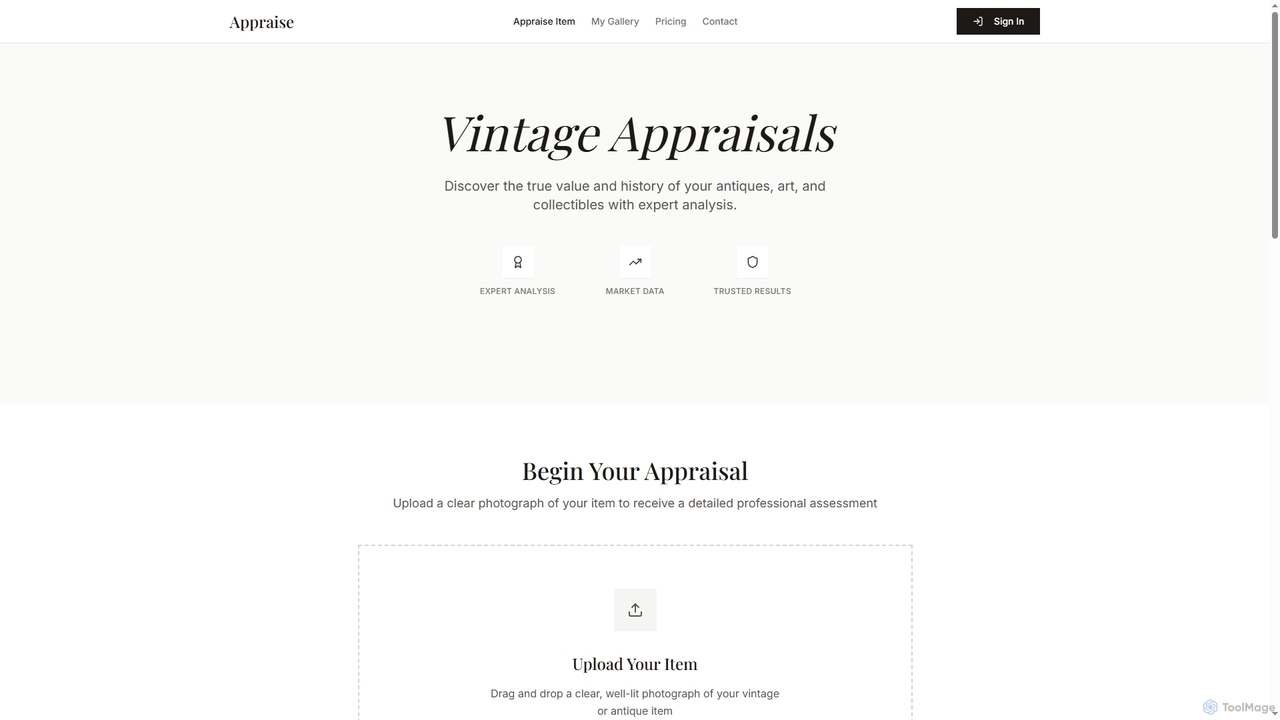
Appraiseit is an AI-powered tool for vintage appraisals, helping users discover the true value and history of their …

3.9K

About Product Valuation

Product Valuation tools are AI-powered solutions designed to accurately assess the market value and optimal pricing of products, primarily within e-commerce. Leveraging advanced algorithms, these tools analyze vast datasets including competitor prices, historical sales, market trends, and customer feedback. They empower businesses to set competitive prices, maximize profitability, and make data-driven inventory and marketing decisions. This ensures products are priced effectively to meet market demand and business goals.

Core Features

  • Dynamic Pricing Optimization: Automatically adjusts product prices based on real-time market conditions, demand fluctuations, and competitor strategies.
  • Competitor Price Monitoring: Tracks and analyzes competitor pricing across various platforms to identify opportunities and maintain market competitiveness.
  • Demand Forecasting: Predicts future product demand using historical sales data, seasonal trends, and external market indicators.
  • Profitability Analysis: Evaluates the potential profit margins for products by considering costs, pricing, and sales volume.
  • Customer Sentiment Analysis: Analyzes customer reviews and feedback to gauge perceived product value and inform pricing adjustments.

Use Cases

Product Valuation tools are essential for e-commerce managers, pricing strategists, and product developers. They are used to identify underpriced or overpriced items, optimize promotional strategies, and assess the viability of new product launches.

How to Choose

When selecting a Product Valuation tool, consider its data integration capabilities (e.g., with your e-commerce platform, ERP), the accuracy and granularity of its analytical models, the flexibility of its pricing rules, and its reporting features. Evaluate the tool's ability to handle your specific product catalog size and market complexity.

Product ValuationUse Cases

1

Optimizing E-commerce Product Pricing

An e-commerce manager uses AI product valuation to dynamically adjust prices for thousands of SKUs in real-time. The tool analyzes competitor prices, inventory levels, and customer browsing behavior, recommending optimal price points that maximize sales volume and profit margins, leading to a 15% increase in revenue.

2

Launching New Products with Confidence

A product development team utilizes valuation tools to assess the market potential and ideal launch price for a new gadget. By simulating various pricing scenarios against market demand and competitor offerings, they determine a competitive entry price that ensures rapid adoption and strong initial sales.

3

Strategic Inventory Management

A retail buyer employs product valuation to identify slow-moving inventory and determine appropriate markdown strategies. The tool predicts the impact of price reductions on sales velocity, helping to clear stock efficiently while minimizing losses and freeing up warehouse space.

4

Maximizing Seasonal Sales & Promotions

A marketing team leverages AI valuation to plan holiday sales events. The tool identifies products with high demand elasticity and suggests optimal discount percentages, ensuring promotions are attractive to customers without eroding profit margins, resulting in a 20% uplift in promotional period sales.

5

Understanding Product Profitability Across Channels

A finance analyst uses valuation software to break down profitability by product across different sales channels (e.g., website, marketplace, physical store). This analysis helps identify which channels are most profitable for specific products and informs resource allocation decisions.

6

Responding to Competitor Price Changes

An online store owner configures the valuation tool to automatically detect and respond to competitor price drops or increases. The system can then suggest or implement price adjustments to maintain a competitive edge, ensuring the store's offerings remain attractive without constant manual monitoring.

Product ValuationFrequently Asked Questions