Indigo Tribe
Indigo Tribe is an AI-driven fashion discovery platform specializing in men's denim. It leverages AI to provide personalized …
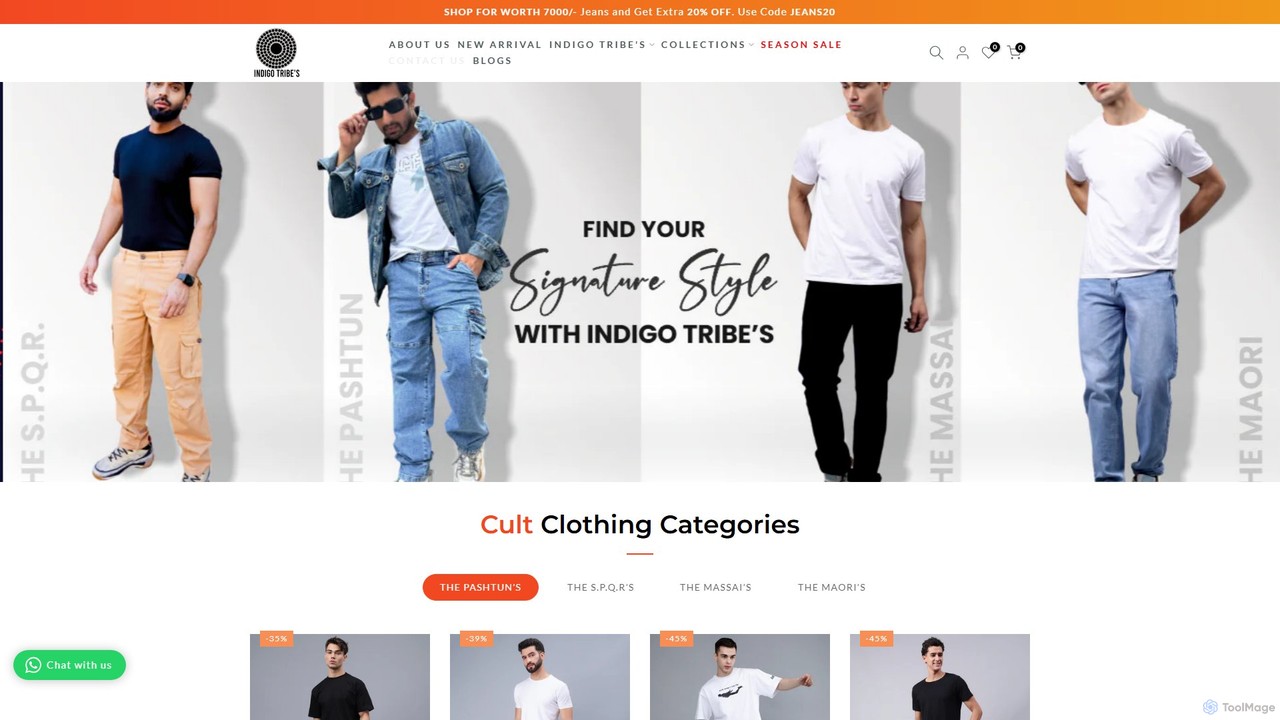
Indigo Tribe is an AI-driven fashion discovery platform specializing in men's denim. It leverages AI to provide personalized style recommendations, a virtual fit guide, and curated collections, simplifying the online shopping experience for high-quality, on-trend jeans. It acts as a personal stylist for the modern man.
topologyclothing
Topology Clothing is a comprehensive platform for fashion entrepreneurs, offering a suite of intelligent tools like an MOQ …
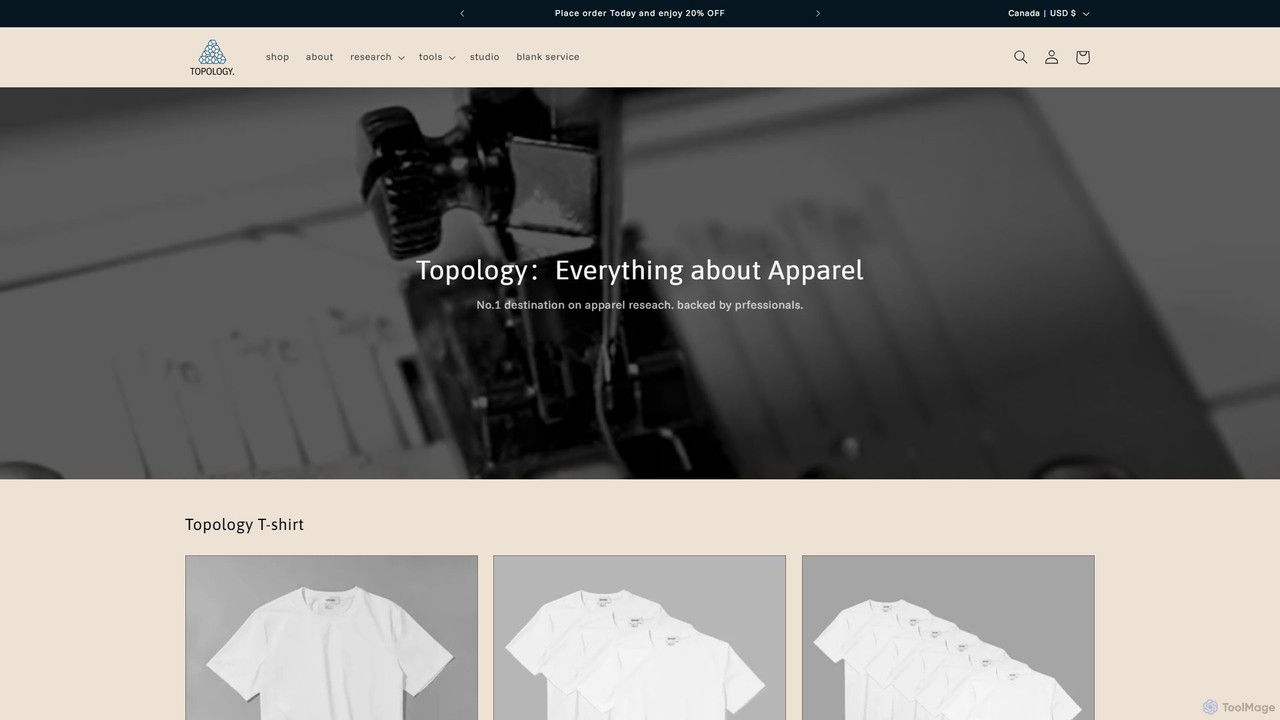
Topology Clothing is a comprehensive platform for fashion entrepreneurs, offering a suite of intelligent tools like an MOQ Estimator, Fabric Calculator, and Price Simulator. It combines these practical, data-driven utilities with in-depth educational resources and a line of high-performance apparel to empower creators to design, produce, and launch their brands successfully.
MTailor
MTailor uses patented AI technology to measure you through your phone's camera, delivering perfectly fitting custom-made clothes. In …
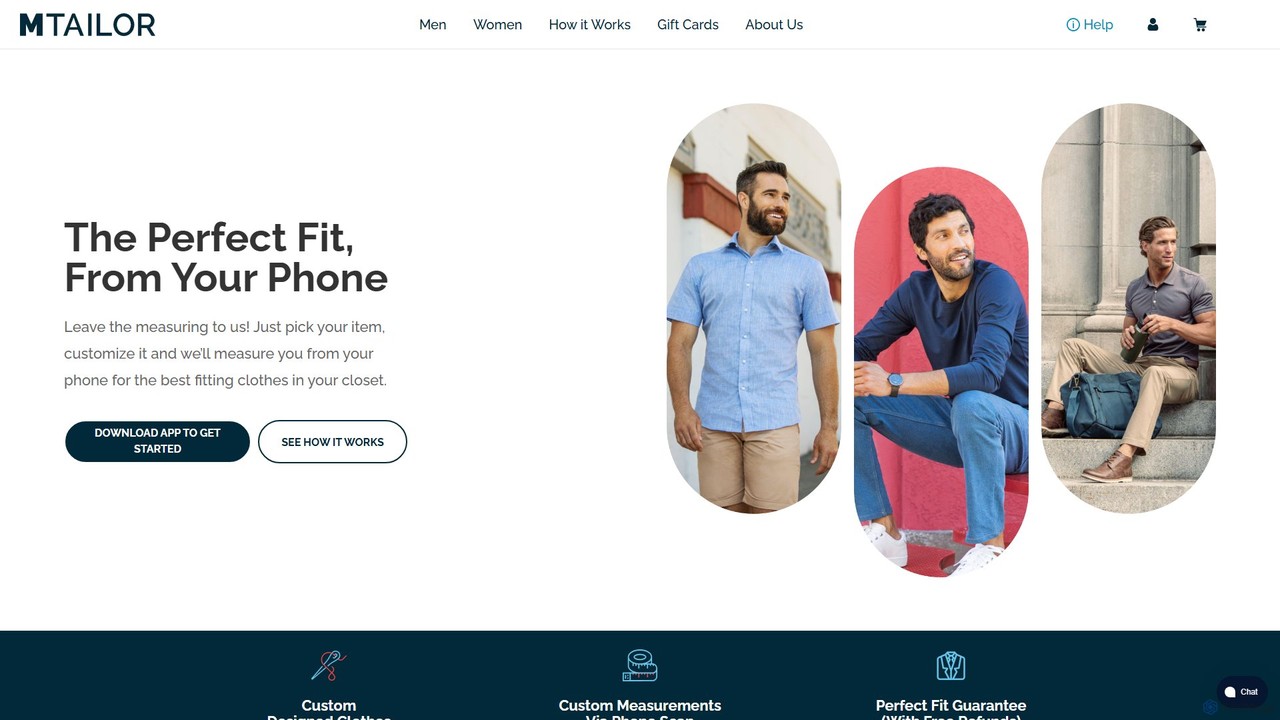
MTailor uses patented AI technology to measure you through your phone's camera, delivering perfectly fitting custom-made clothes. In just 30 seconds, its algorithm takes 16 precise measurements, 20% more accurately than a professional tailor. Choose from a wide range of customizable shirts, suits, jeans, and more, all backed by a Perfect Fit Guarantee with free remakes and returns.
About Fashion
Fashion AI tools are a specialized category within e-commerce that leverage artificial intelligence to transform the fashion industry. These tools utilize advanced algorithms, computer vision, and natural language processing to enhance everything from design and production to marketing, sales, and customer experience. They enable fashion brands and retailers to personalize offerings, optimize operations, and create engaging digital experiences, ultimately driving efficiency and innovation in the competitive online fashion market.
Core Features
- Virtual Try-On: Allows customers to digitally "wear" garments using AR/VR, improving online shopping confidence and reducing returns.
- Personalized Recommendations: Analyzes user preferences, browsing history, and style data to suggest relevant fashion items, boosting conversion rates.
- Trend Forecasting: Predicts upcoming fashion trends by analyzing social media, sales data, and cultural signals, aiding design and inventory planning.
- AI-Generated Design: Assists designers by generating new apparel concepts, patterns, or variations based on specified parameters or existing styles.
- Automated Product Tagging: Uses computer vision to automatically tag product images with attributes like color, material, and style, improving search and categorization.
Applicable Scenarios
Fashion AI tools are crucial for online fashion retailers, luxury brands, and independent designers. They are used by e-commerce managers to enhance product discovery, by marketing teams for targeted campaigns, and by design departments to accelerate concept development. For instance, a large online retailer might use AI for dynamic pricing based on demand, while a small boutique could leverage it for personalized styling advice to customers.
How to Choose
When selecting Fashion AI tools, consider the specific business need: whether it's enhancing customer experience (e.g., virtual try-on), optimizing back-end operations (e.g., inventory forecasting), or accelerating design. Evaluate the tool's integration capabilities with existing e-commerce platforms, the accuracy and relevance of its AI models, and its scalability to handle varying data volumes. Also, assess the vendor's expertise in both AI and fashion, and the level of customization offered.
FashionUse Cases
Enhance Online Product Discovery
E-commerce managers use Fashion AI tools to automatically tag product images with detailed attributes (color, pattern, material, style). This improves search accuracy and allows customers to filter products more effectively, leading to quicker discovery and higher satisfaction. This automation significantly reduces manual effort and enhances the overall user experience on fashion retail websites.
Personalized Styling Recommendations
Online fashion retailers deploy AI to analyze a customer's past purchases, browsing behavior, and explicit preferences. The AI then suggests complete outfits or complementary items, creating a highly personalized shopping experience that increases average order value and customer loyalty by offering relevant and appealing suggestions.
Virtual Try-On for Apparel
Fashion brands integrate virtual try-on technology into their e-commerce platforms. Customers can upload a photo or use AR to see how clothes fit and look on their body, significantly reducing uncertainty before purchase and lowering product return rates, thereby improving customer satisfaction and operational costs.
AI-Driven Trend Forecasting
Fashion designers and merchandisers leverage AI to analyze vast datasets from social media, fashion blogs, and sales figures. This helps them predict emerging trends in colors, silhouettes, and fabrics, enabling proactive design and inventory planning to stay ahead of the market and minimize the risk of unsold stock.
Automated Content Generation for Marketing
Marketing teams use Fashion AI to generate diverse product descriptions, social media captions, or ad copy variations based on product images and specifications. This accelerates content creation, ensures brand consistency, and allows for A/B testing of marketing messages, leading to more effective and efficient campaigns.
Optimizing Inventory and Supply Chain
Retailers utilize AI to forecast demand for specific fashion items with greater accuracy, considering seasonal trends, promotions, and external factors. This leads to optimized inventory levels, reduced waste, and more efficient supply chain management, minimizing stockouts and overstocking, which directly impacts profitability.