Best of the Year 1 results Enterprise Ai AI Tools

Popular AI tools in the Enterprise Ai field include Pyrinas, etc., helping you quickly improve efficiency.

Pyrinas

Pyrinas

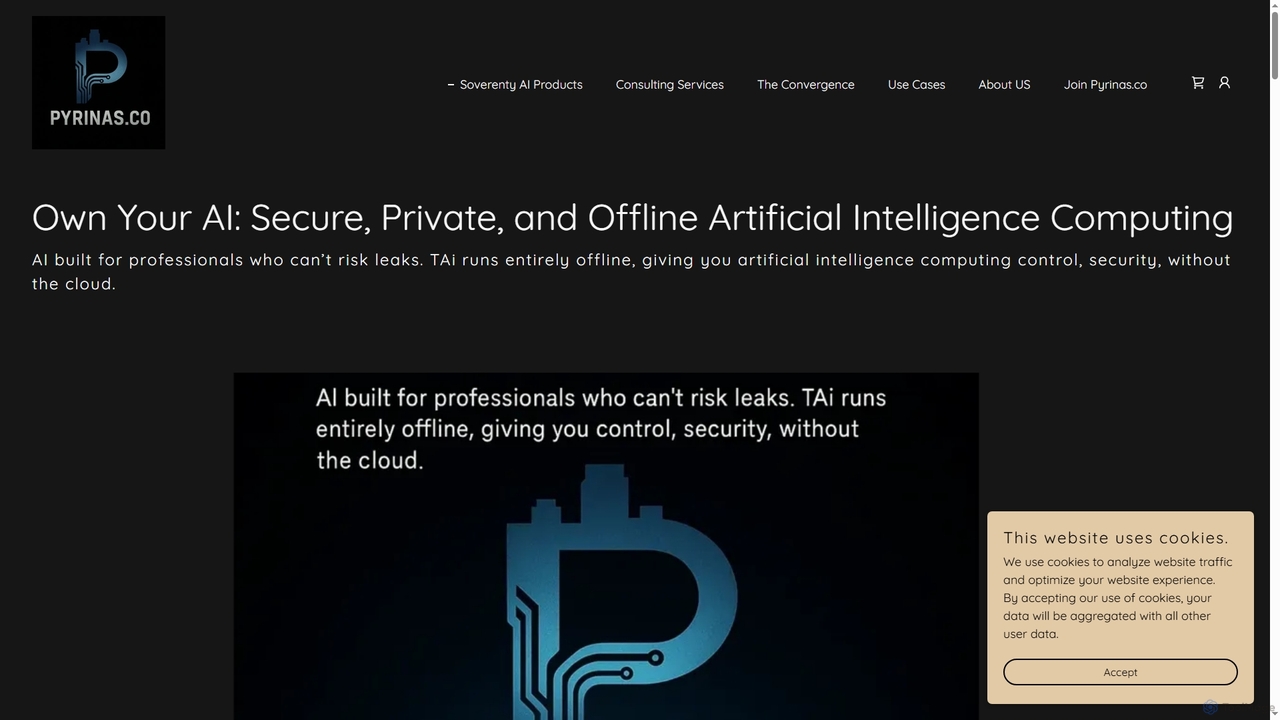
Pyrinas offers Sovereign AI products and consulting services, providing secure, private, and offline artificial intelligence computing. Its flagship …

2.7K

About Enterprise Ai

Enterprise AI tools are a class of artificial intelligence solutions designed for integration into core business operations at a large scale. These platforms leverage advanced machine learning, data analytics, and automation to handle complex, mission-critical tasks. They are built to address enterprise-level challenges such as managing vast datasets, ensuring robust security, and integrating seamlessly with existing systems like ERP and CRM. The primary value of Enterprise AI lies in its ability to drive data-driven decision-making, optimize complex workflows, and create significant operational efficiencies across an organization.

Core Features

  • Advanced Data Analytics: Utilizes predictive modeling and machine learning to uncover insights from large datasets for forecasting and strategic planning.
  • Intelligent Process Automation (IPA): Automates complex, end-to-end business processes beyond simple task repetition, often involving decision-making.
  • Scalable NLP Capabilities: Processes and analyzes vast amounts of unstructured text data for applications like customer sentiment analysis or knowledge management.
  • Robust Security & Governance: Includes features for data privacy, access control, and compliance with industry regulations (e.g., GDPR, HIPAA).
  • Seamless System Integration: Offers APIs and pre-built connectors for deep integration with existing enterprise software like Salesforce, SAP, and Oracle.

Use Cases

Enterprise AI is widely adopted in sectors like finance for fraud detection, manufacturing for supply chain optimization, and healthcare for predictive diagnostics. It is essential for roles such as data scientists, business analysts, and IT leaders who are responsible for driving digital transformation and improving operational performance. For example, a retail company might use it to personalize customer experiences at scale, while a bank uses it to assess credit risk in real-time.

How to Choose

When selecting an Enterprise AI tool, prioritize scalability to ensure it can handle your data volume and user growth. Evaluate its integration capabilities with your current technology stack. Scrutinize security features and compliance certifications relevant to your industry. Consider the total cost of ownership (TCO), including implementation, training, and maintenance, not just the subscription fee. Finally, assess the platform's flexibility for customization to fit your unique business workflows.

Enterprise AiUse Cases

1

Automated Financial Fraud Detection

A risk analyst at a major bank uses an Enterprise AI platform to monitor millions of transactions in real-time. The system employs machine learning algorithms to identify unusual patterns and flag potentially fraudulent activities instantly, which would be impossible for a human team to review manually. This allows the bank to block suspicious transactions proactively, significantly reducing financial losses and improving compliance with anti-money laundering regulations. The platform's dashboard provides detailed alerts and risk scores, enabling analysts to investigate high-priority cases efficiently.

2

Supply Chain and Inventory Optimization

A supply chain manager for a global manufacturing company leverages an Enterprise AI solution to forecast product demand and optimize inventory levels across dozens of warehouses. The AI analyzes historical sales data, market trends, weather patterns, and logistical constraints to predict future demand with high accuracy. Based on these predictions, the system automatically suggests optimal stock levels and reorder points for each location, preventing both stockouts and overstocking. This leads to reduced carrying costs, improved order fulfillment rates, and a more resilient supply chain.

3

Intelligent Customer Service Automation

A customer service director for a large telecommunications company implements an Enterprise AI platform to power their customer support channels. The platform deploys intelligent chatbots on the website and in the mobile app to handle thousands of concurrent customer inquiries, from billing questions to technical troubleshooting. The AI understands natural language, accesses customer data securely, and provides personalized responses or escalates complex issues to human agents with full context. This 24/7 automated support reduces agent workload, lowers operational costs, and improves average response times, leading to higher customer satisfaction.

4

Predictive Maintenance in Manufacturing

A plant manager in a heavy machinery manufacturing facility uses an Enterprise AI system to prevent costly equipment failures. The system connects to IoT sensors on critical machinery, collecting real-time data on temperature, vibration, and performance. The AI model, trained on historical failure data, continuously analyzes this stream to predict when a machine is likely to fail. It then automatically generates a maintenance ticket in the company's ERP system, scheduling service before a breakdown occurs. This shifts the maintenance strategy from reactive to proactive, minimizing unplanned downtime and extending the lifespan of expensive assets.

5

Personalized Marketing Campaigns at Scale

A marketing director at a large e-commerce company uses an Enterprise AI platform to deliver personalized experiences to millions of customers. The AI analyzes each user's browsing history, purchase data, and demographic information to create a unique customer profile. It then powers a recommendation engine that suggests relevant products on the website and in emails. The platform also automates the creation of targeted ad campaigns, segmenting audiences and tailoring messaging for maximum impact. This level of personalization at scale increases customer engagement, boosts conversion rates, and enhances long-term loyalty.

6

Streamlining HR Talent Acquisition

An HR manager at a multinational corporation uses an Enterprise AI tool to manage a high volume of job applications. The AI platform automatically screens thousands of resumes, ranking candidates based on how well their skills and experience match the job description. It uses Natural Language Processing to understand the context of a resume, not just keywords. This reduces the manual screening time for recruiters by over 80%, allowing them to focus on interviewing the most qualified candidates. The system also helps ensure a fair and unbiased initial screening process, improving the quality of hires.

Enterprise AiFrequently Asked Questions