Best of the Year 1 results Environmental Management AI Tools

Popular AI tools in the Environmental Management field include Data 4 Decarbonization, etc., helping you quickly improve efficiency.

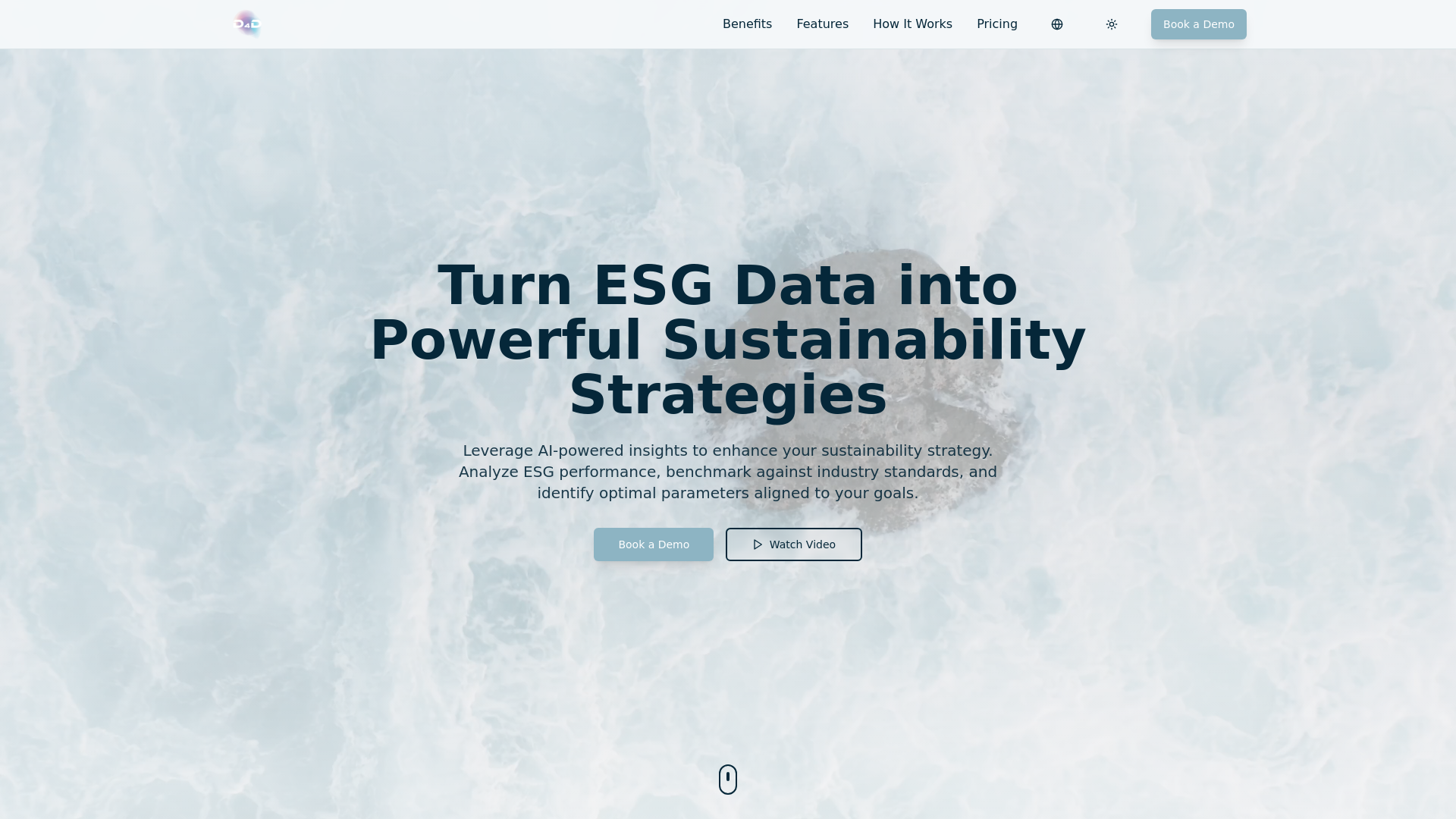
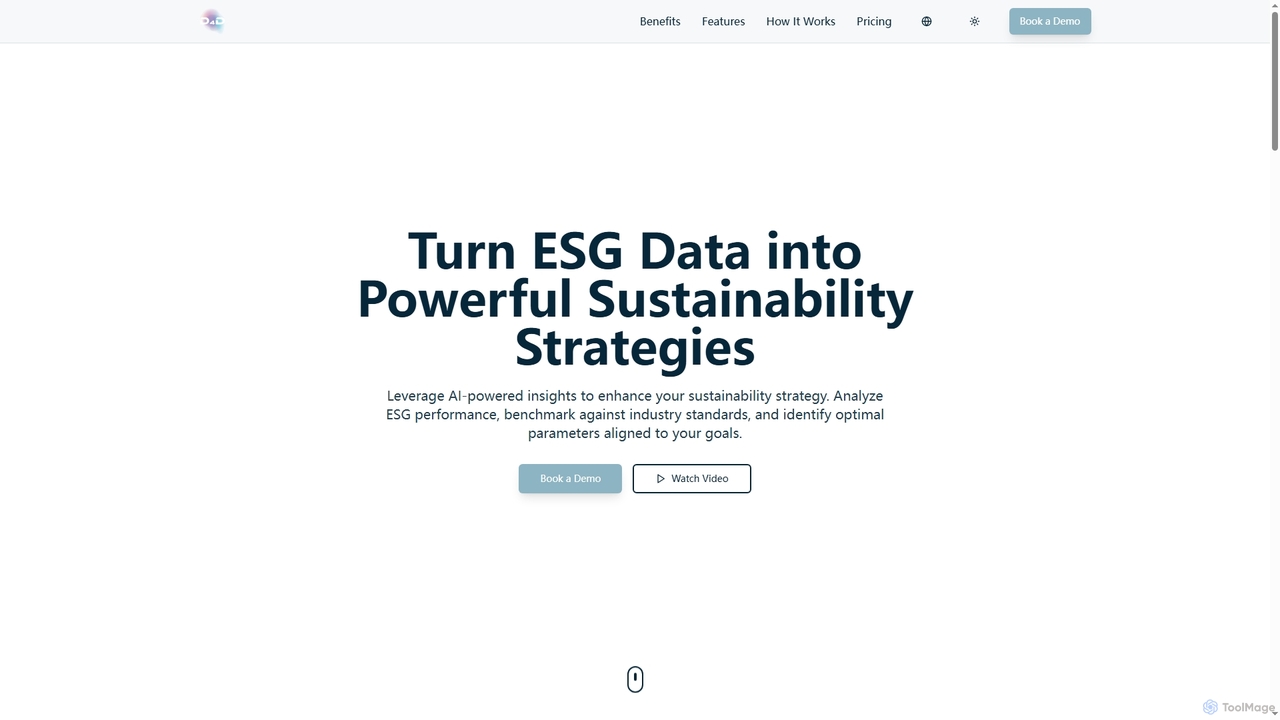
Data 4 Decarbonization

Data 4 Decarbonization

Data 4 Decarbonization is an AI-powered ESG analytics platform designed to transform sustainability strategies. It leverages advanced algorithms …

2.5K

About Environmental Management

Environmental Management AI tools are a class of AI-powered solutions designed to monitor, analyze, and optimize environmental performance across various sectors. These tools leverage advanced algorithms, machine learning, and data analytics to process vast amounts of environmental data, from emissions and resource consumption to biodiversity and climate patterns. Their primary value lies in enhancing sustainability efforts, ensuring regulatory compliance, and driving more efficient resource utilization, ultimately contributing to a greener and more resilient future.

Core Features

  • Real-time Monitoring: Tracks environmental parameters like air quality, water pollution, and energy usage.
  • Compliance & Reporting: Automates the generation of regulatory reports and ensures adherence to environmental standards.
  • Resource Optimization: Identifies opportunities to reduce waste, optimize energy consumption, and manage water resources efficiently.
  • Predictive Analytics: Forecasts environmental impacts, pollution events, and climate risks based on historical data.
  • ESG Data Management: Collects, analyzes, and reports on Environmental, Social, and Governance metrics for corporate sustainability.

Use Cases

These tools are vital for industries like manufacturing, energy, and urban planning, as well as for government agencies and environmental consulting firms. They assist environmental managers in factories to track and reduce emissions, help city planners design sustainable infrastructure, and enable corporations to transparently report their sustainability performance to stakeholders.

How to Choose

When selecting an Environmental Management AI tool, consider its data integration capabilities with existing systems, the specific environmental regulations it supports, its scalability to grow with your needs, and the clarity and customizability of its reporting and visualization dashboards. Evaluate the accuracy of its predictive models and the ease of user adoption.

Environmental ManagementUse Cases

1

Monitoring Industrial Emissions & Compliance

Environmental engineers in manufacturing plants utilize AI tools to continuously monitor air and water emissions from their facilities. The AI system collects data from sensors, analyzes it in real-time, and alerts engineers to any deviations from regulatory limits. This ensures immediate corrective action, automates compliance reporting, and helps identify patterns for long-term emission reduction strategies, significantly reducing the risk of penalties and improving environmental performance.

2

Optimizing Energy Consumption in Commercial Buildings

Facility managers for large commercial or residential complexes deploy AI-powered environmental management systems to analyze energy usage patterns across HVAC, lighting, and other building systems. The AI identifies inefficiencies, predicts peak demand, and automatically adjusts settings to minimize consumption without compromising occupant comfort. This leads to substantial energy cost savings and a reduced carbon footprint for the building.

3

Waste Stream Analysis & Recycling Optimization

Waste management companies employ AI tools to analyze the composition of waste streams, predict waste generation volumes, and optimize collection routes. By using computer vision and machine learning, AI can identify recyclable materials more accurately and efficiently, improving sorting processes. This results in higher recycling rates, reduced landfill waste, and more cost-effective logistics for waste collection and processing.

4

Assessing Supply Chain Environmental Impact

Sustainability officers in retail or consumer goods companies leverage AI to map and assess the environmental footprint of their entire supply chain, from raw material sourcing to product delivery. The AI analyzes supplier data, identifies high-risk areas for emissions, water usage, or deforestation, and recommends more sustainable sourcing alternatives. This enhances brand reputation and helps meet corporate sustainability goals.

5

Climate Risk Assessment for Financial Portfolios

Investment firms and banks use AI-driven platforms to evaluate the physical and transitional climate risks associated with their investment portfolios. The AI processes vast amounts of climate data, geographic information, and economic models to forecast potential impacts of extreme weather events or policy changes on assets. This enables more informed investment decisions and helps build climate-resilient portfolios.

6

Biodiversity Monitoring & Conservation Planning

Conservation organizations and researchers utilize AI tools to analyze satellite imagery, drone footage, and acoustic sensor data for biodiversity monitoring. AI algorithms can detect and classify species, track deforestation rates, and identify illegal poaching activities or habitat degradation. This provides critical insights for developing effective conservation strategies and managing protected areas more efficiently.

Environmental ManagementFrequently Asked Questions