
Environmental Management Best in category 1 results Carbon Accounting AI Tool

Popular AI tools in the Carbon Accounting field of Environmental Management include Data 4 Decarbonization, etc., helping you quickly improve efficiency.

Data 4 Decarbonization

Data 4 Decarbonization

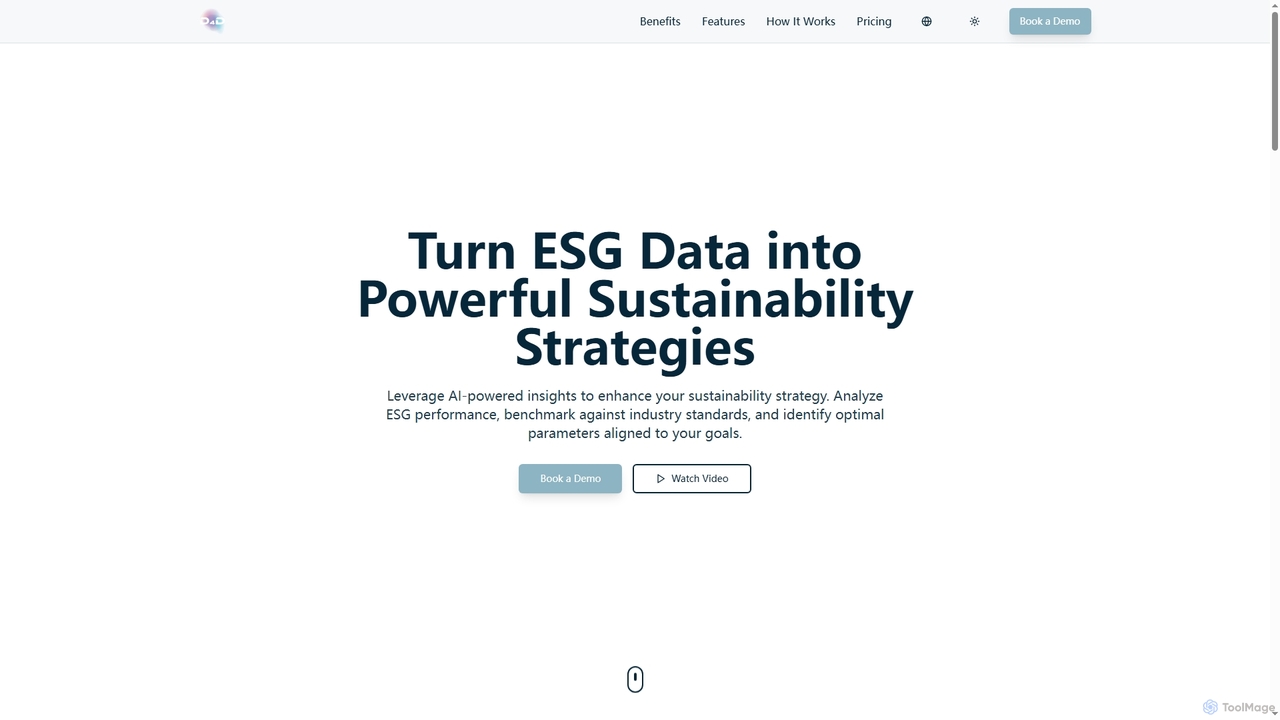
Data 4 Decarbonization is an AI-powered ESG analytics platform designed to transform sustainability strategies. It leverages advanced algorithms …

3.1K

About Carbon Accounting

Carbon Accounting tools are AI-powered platforms designed to measure, track, and report an organization's greenhouse gas (GHG) emissions. These tools leverage advanced data analytics and automation to collect emission data across various scopes, providing a comprehensive carbon footprint assessment. They enable businesses to understand their environmental impact, meet regulatory requirements, and drive decarbonization strategies as part of broader environmental management efforts.

Core Features

  • Automated Data Collection: Integrates with existing systems (ERP, utility bills) to automatically gather emission-related data.
  • GHG Protocol Calculation: Accurately calculates Scope 1, 2, and 3 emissions according to international standards.
  • Customizable Reporting: Generates reports compliant with frameworks like GRI, CDP, TCFD, and internal ESG requirements.
  • Scenario Modeling: Simulates the impact of different reduction strategies on future emissions and targets.
  • Supply Chain Emissions Tracking: Monitors and analyzes emissions from upstream and downstream activities.

Applicable Scenarios

Businesses across all sectors, from manufacturing to finance, utilize Carbon Accounting tools to manage their environmental footprint. Sustainability managers use them for annual ESG reporting, while procurement teams assess supplier emissions. Companies aiming for net-zero targets rely on these tools to identify emission hotspots and track progress towards decarbonization goals.

How to Choose

When selecting a Carbon Accounting tool, consider its ability to cover all relevant emission scopes (1, 2, 3) and integrate with your existing data sources. Evaluate its support for required reporting standards, the robustness of its calculation methodologies, and its scalability to grow with your organization's needs. User-friendliness and auditability of data are also crucial for effective implementation and compliance.

Carbon AccountingUse Cases

1

Streamlining Annual ESG and Sustainability Reporting

For sustainability officers, Carbon Accounting tools automate the complex process of collecting, calculating, and consolidating GHG emission data. By integrating with various operational systems, these tools generate accurate, auditable reports compliant with frameworks like GRI, CDP, and TCFD, significantly reducing manual effort and ensuring timely submission for investor and stakeholder communication.

2

Identifying Emission Hotspots in the Supply Chain

Procurement and supply chain managers use Carbon Accounting platforms to gain visibility into Scope 3 emissions from their extended value chain. By analyzing data from suppliers, logistics, and product lifecycle, they can pinpoint major emission sources, engage with high-impact suppliers for reduction initiatives, and make informed decisions to build a more sustainable supply chain.

3

Setting and Tracking Decarbonization Targets

Corporate sustainability teams leverage these tools to establish science-based targets for emission reduction and monitor progress over time. The platforms provide dashboards and analytics that visualize emission trends, track the effectiveness of implemented reduction strategies, and forecast future emissions, helping companies stay on track towards net-zero commitments.

4

Ensuring Compliance with Environmental Regulations

Environmental compliance officers in regulated industries utilize Carbon Accounting software to meet mandatory reporting obligations and avoid penalties. The tools ensure that all required emission data is accurately captured, calculated, and reported according to local and international environmental laws, providing an auditable trail for regulatory bodies.

5

Informing Investment and Financial Decision-Making

Financial analysts and investors use carbon accounting data to assess the climate risk and sustainability performance of companies. By providing transparent and standardized emission metrics, these tools help in evaluating investment portfolios, identifying green investment opportunities, and integrating environmental factors into financial due diligence processes.

6

Implementing Internal Carbon Pricing Mechanisms

Organizations looking to incentivize emission reductions internally can use Carbon Accounting tools to implement and manage internal carbon pricing. The platforms track departmental or project-level emissions, apply a shadow price, and report on the financial implications, encouraging teams to adopt lower-carbon practices and allocate resources more efficiently.

Carbon AccountingFrequently Asked Questions