Data 4 Decarbonization
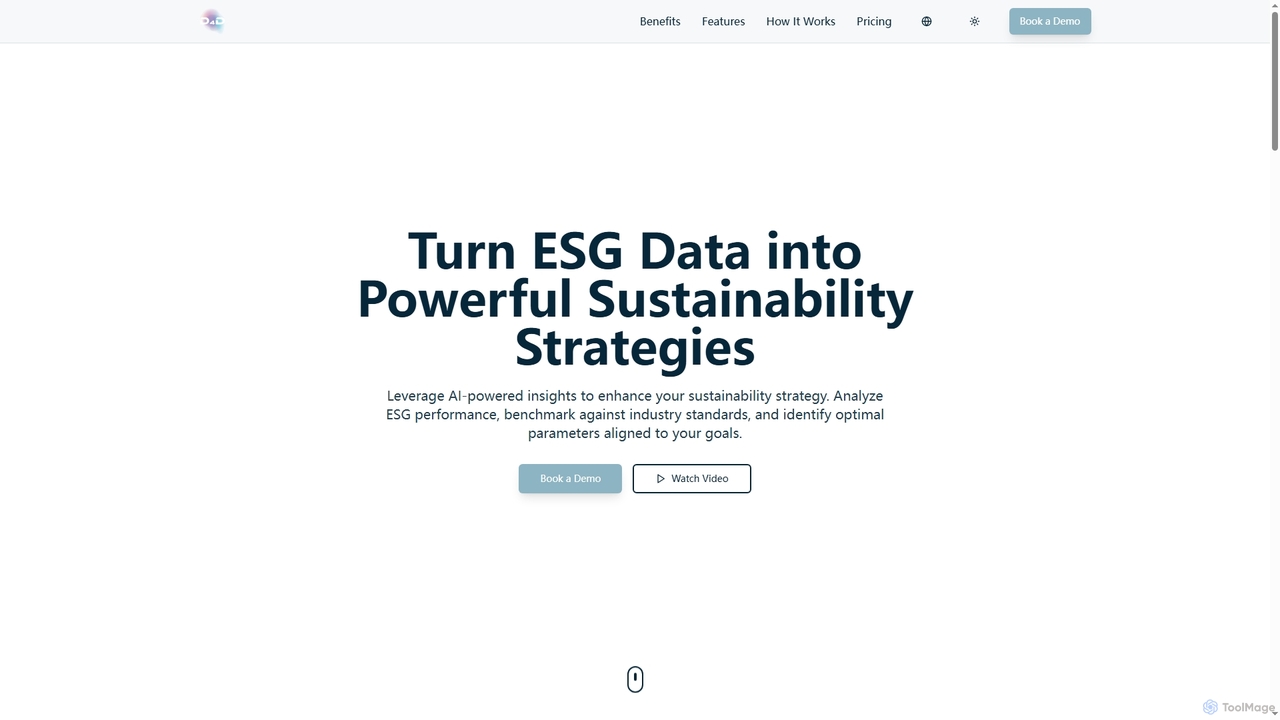
Data 4 Decarbonization is an AI-powered ESG analytics platform designed to transform sustainability strategies. It leverages advanced algorithms …
Data 4 Decarbonization is an AI-powered ESG analytics platform designed to transform sustainability strategies. It leverages advanced algorithms to analyze sustainability reports, benchmark performance against industry standards, and forecast scenarios for achieving ESG goals, empowering businesses to make data-driven decisions for a greener future.
Ignite
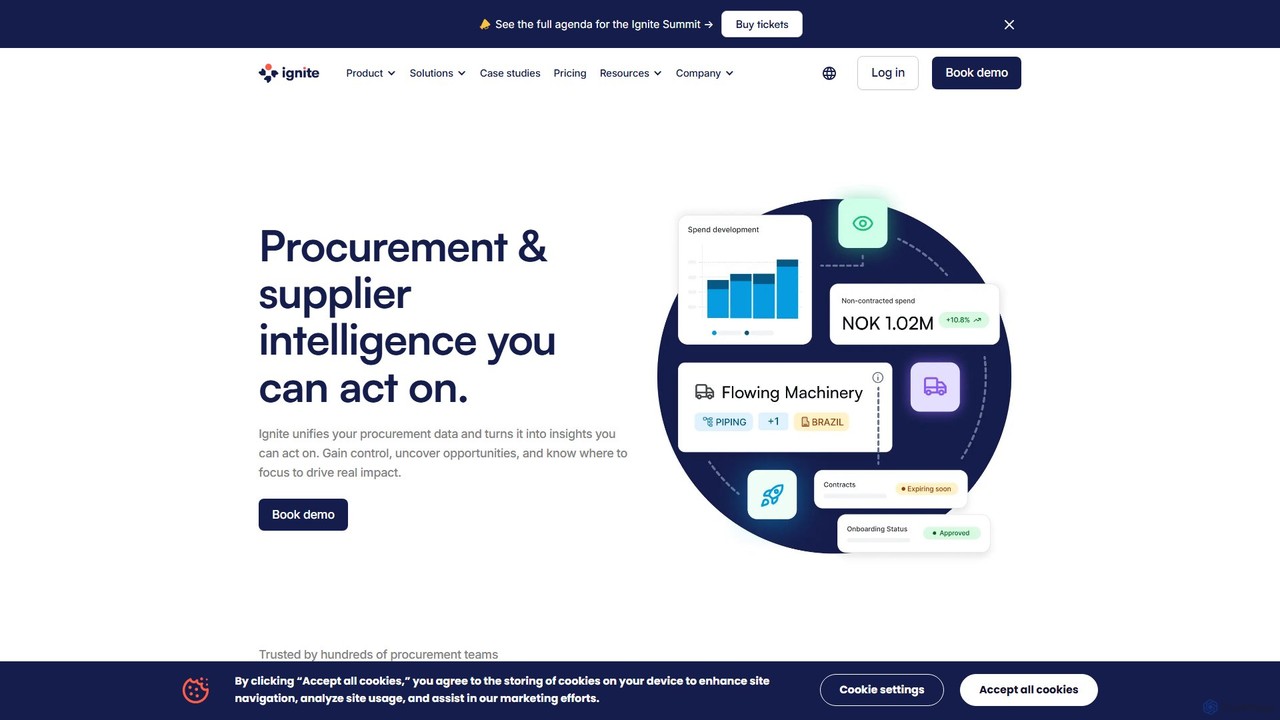
Ignite is an AI-powered platform for procurement and supplier intelligence. It unifies all procurement data into a single …
Ignite is an AI-powered platform for procurement and supplier intelligence. It unifies all procurement data into a single hub, providing actionable insights to optimize costs, manage supplier risks, and streamline ESG reporting. Gain full transparency and drive measurable impact within 30 days.
About Esg Reporting
ESG Reporting tools are specialized AI platforms that automate the collection, analysis, and generation of Environmental, Social, and Governance reports. These tools leverage machine learning and natural language processing to consolidate data from diverse sources, map it to required frameworks like GRI or SASB, and draft narrative sections. Their primary value lies in streamlining the complex reporting process, ensuring data accuracy, and helping organizations meet regulatory and stakeholder demands for transparency. This technology transforms a labor-intensive task into a more efficient, data-driven strategic function.
Core Features
- Automated Data Collection: Connects to various internal and external systems to automatically pull relevant ESG metrics, reducing manual data entry.
- Framework Alignment: Maps collected data against multiple reporting standards (e.g., GRI, SASB, TCFD, CSRD) and identifies compliance gaps.
- AI-Powered Narrative Generation: Uses generative AI to draft summaries, explanations, and insights based on quantitative data for the report's text sections.
- Risk Identification & Analysis: Analyzes data sets to proactively identify potential ESG risks and opportunities for performance improvement.
- Audit Trail & Verification: Creates a transparent and traceable record of data sources and transformations, simplifying third-party audits.
Applicable Scenarios
These tools are primarily used by public companies, large enterprises, and financial institutions. Common scenarios include preparing annual sustainability reports for investors, responding to ESG rating agency questionnaires (like MSCI or Sustainalytics), and ensuring compliance with regulations such as the EU's Corporate Sustainability Reporting Directive (CSRD).
Selection Criteria
When choosing an ESG Reporting tool, consider the scope of supported frameworks, the ease of integration with your existing data sources, the sophistication of its AI analytics and narrative generation, and the robustness of its audit trail features. Also, evaluate the platform's collaboration capabilities for teams and its ability to generate board-ready visualizations and dashboards.

Esg ReportingUse Cases
Automating Annual Sustainability Reports
A sustainability manager at a multinational corporation is tasked with creating the annual ESG report. Instead of manually collecting data from dozens of spreadsheets and departments, they use an AI ESG reporting tool. The platform integrates with their energy management, HR, and finance systems to automatically pull data on carbon emissions, employee diversity, and governance metrics. The AI then maps this data to the GRI framework, highlights missing information, and generates a first draft of the narrative sections, saving the team hundreds of hours of manual work and improving data accuracy.
Streamlining Responses to Investor Questionnaires
An investor relations team frequently receives detailed ESG questionnaires from rating agencies and investors. Using an AI reporting tool, they can quickly query their centralized ESG database to find specific data points and performance metrics. The tool's AI can help draft consistent and accurate responses based on previously reported data and approved narratives. This accelerates the response time from weeks to days and ensures consistency across all external communications, improving the company's ESG rating and investor confidence.
Preparing for Regulatory Compliance (e.g., CSRD)
A compliance officer at a European company needs to prepare for the Corporate Sustainability Reporting Directive (CSRD). They use an AI ESG reporting tool that has a dedicated CSRD module. The tool helps them perform a double materiality assessment, maps their existing data to the European Sustainability Reporting Standards (ESRS), and identifies critical data gaps. The platform's workflow management features allow them to assign tasks to different data owners across the organization to fill these gaps, ensuring a timely and compliant submission.
Benchmarking ESG Performance Against Peers
A corporate strategist wants to understand how their company's ESG performance compares to key competitors. They use an ESG reporting platform that includes benchmarking capabilities. The tool aggregates publicly available ESG data from competitor reports and rating agencies. It then generates comparative charts and tables, showing performance on metrics like water usage intensity, gender pay gap, and board independence. These insights help the strategist identify areas of weakness and inform the company's future sustainability strategy and goal-setting.
Conducting Supply Chain ESG Due Diligence
A procurement manager needs to assess the ESG risks within their company's extensive supply chain. They leverage an AI reporting tool to screen hundreds of suppliers simultaneously. The tool analyzes supplier-provided data and scours public sources like news articles and NGO reports for adverse media mentions related to labor practices or environmental incidents. The AI flags high-risk suppliers and generates summary reports, enabling the procurement team to prioritize engagement efforts and build a more resilient and responsible supply chain.
Generating Board-Level ESG Dashboards
A Chief Sustainability Officer (CSO) needs to present quarterly ESG performance updates to the board of directors. Using an AI ESG reporting tool, the CSO can create customized, real-time dashboards that visualize key performance indicators (KPIs). The dashboard displays trends in carbon emissions, safety incident rates, and diversity metrics in an easy-to-understand format. This allows the board to quickly grasp the company's ESG progress, make informed strategic decisions, and effectively oversee sustainability-related risks and opportunities.