ToolMage
Sign in

Best 7 Procurement AI tools for Business

Popular Procurement AI tools in Business include Globality, Zapro, Ignite, Patterno, RFxAI, Specgen, and Autonoma, helping you work more efficiently.

Autonoma
Freemium

Autonoma

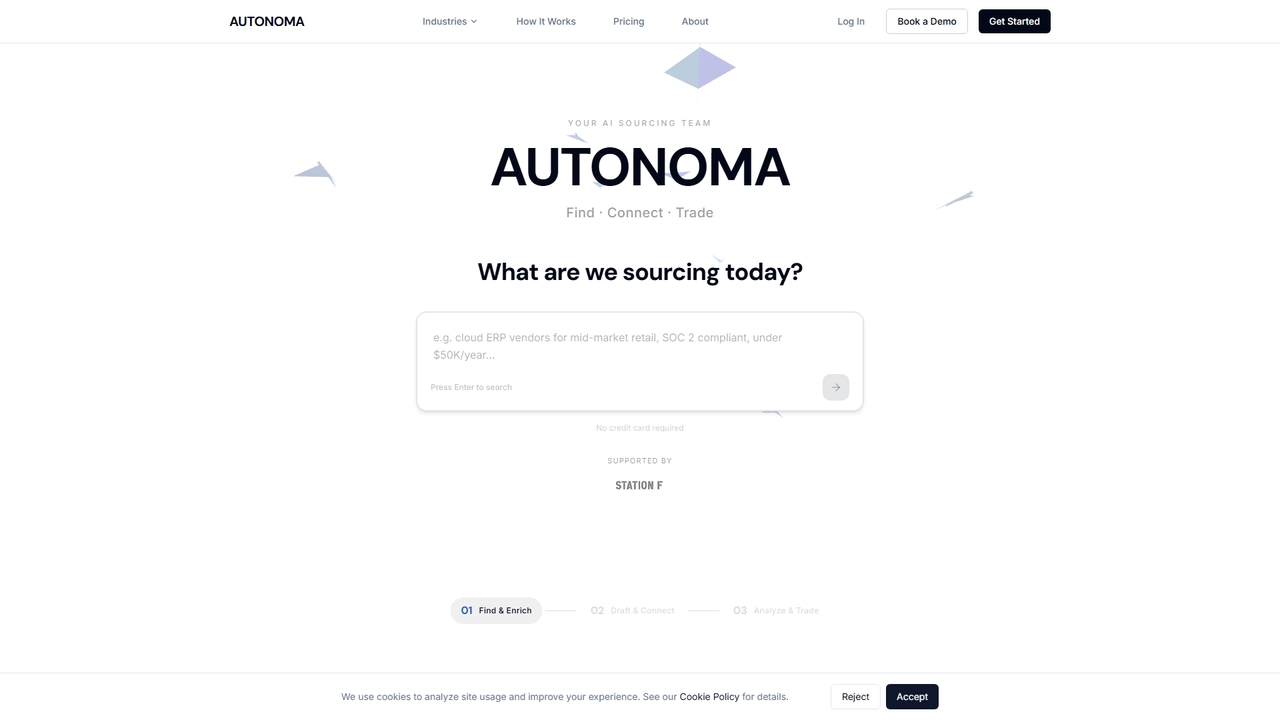
Autonoma is an AI-powered supplier discovery and procurement platform that automates the entire sourcing workflow. Describe your needs in plain language, and its AI agents find verified global suppliers, draft personalized RFIs, manage outreach campaigns, and analyze proposals—reducing manual research from weeks to minutes.

Automation
Visits 4.5KFavorites 19Likes 19
Patterno

Patterno

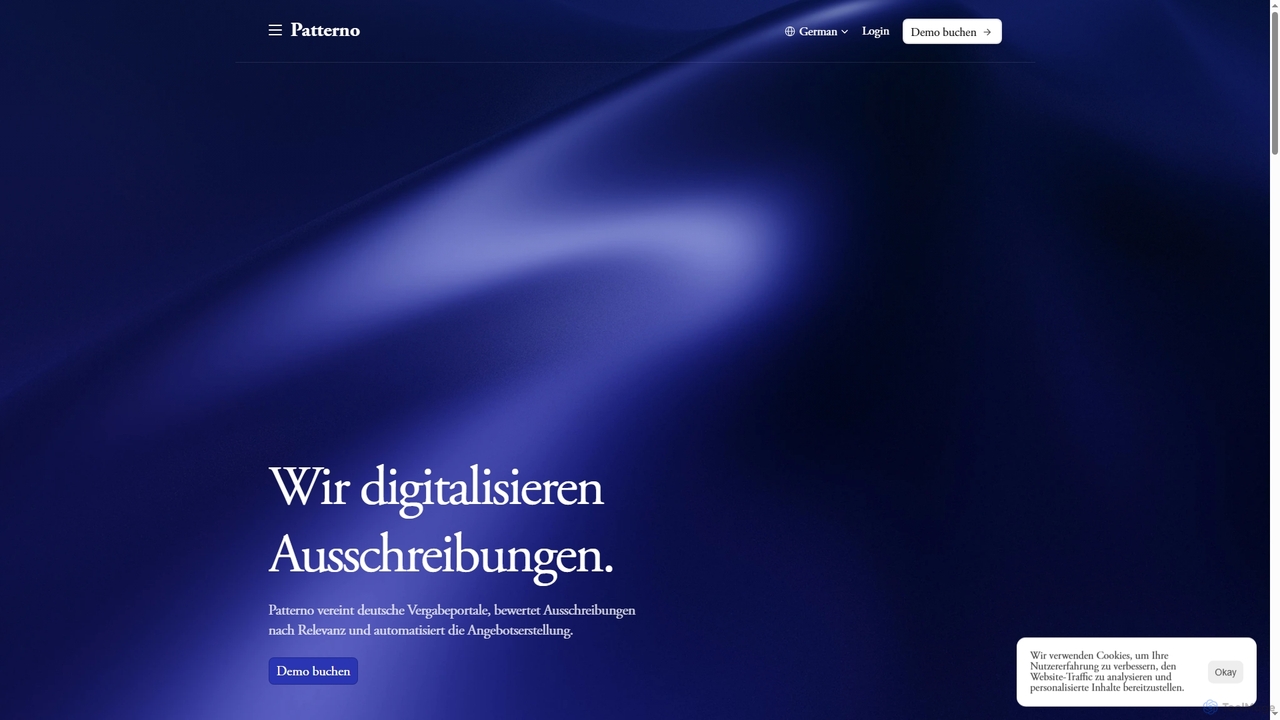
Patterno is an AI-powered platform that revolutionizes public procurement by automating the entire tender management process. It centralizes thousands of public tenders, assesses their relevance to your business, and generates complete, legally compliant bid documents, helping companies win more government contracts efficiently and securely.

Automation
Visits 10KFavorites 58Likes 68
Zapro
Paid

Zapro

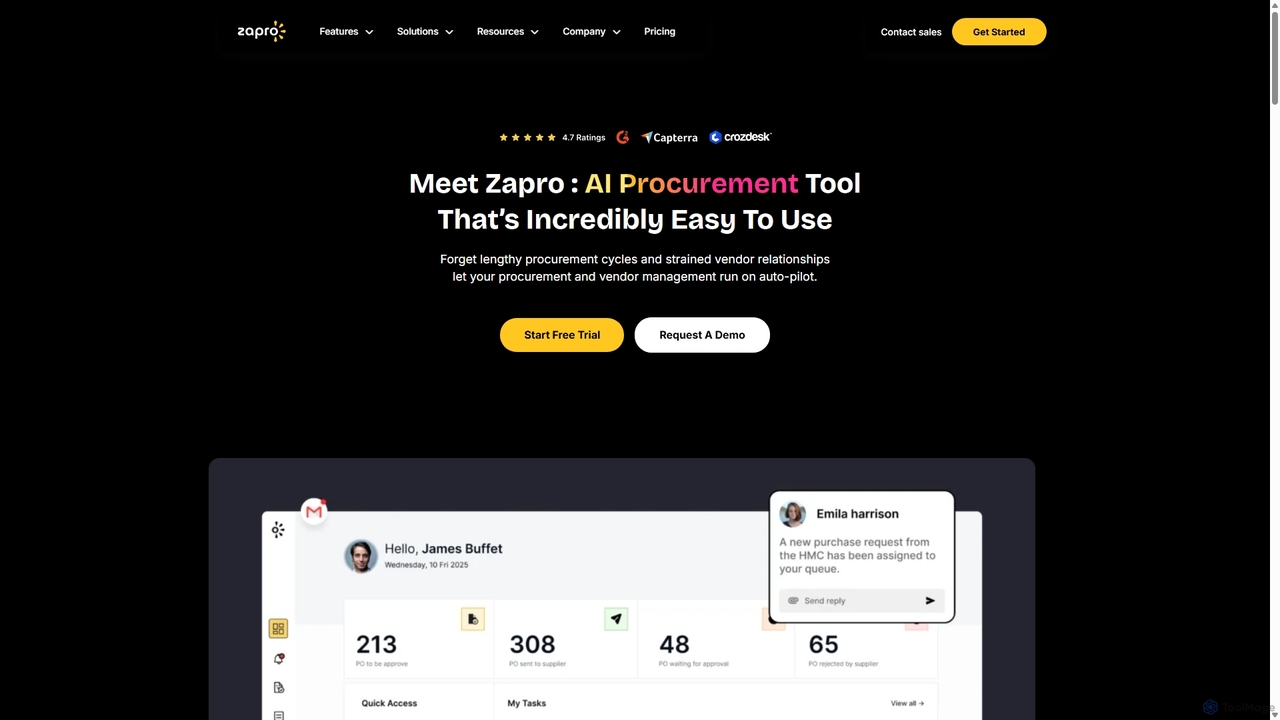
Zapro is an AI-powered, end-to-end procurement and vendor management platform designed to automate and streamline the entire procure-to-pay lifecycle. It helps businesses optimize sourcing, manage supplier relationships, automate accounts payable, track inventory, and gain deep insights through spend analytics. Ideal for startups and enterprises, Zapro boosts operational efficiency, reduces costs, and enhances data-driven decision-making.

Procurement
Visits 20.4KFavorites 104Likes 107
Globality
Paid

Globality

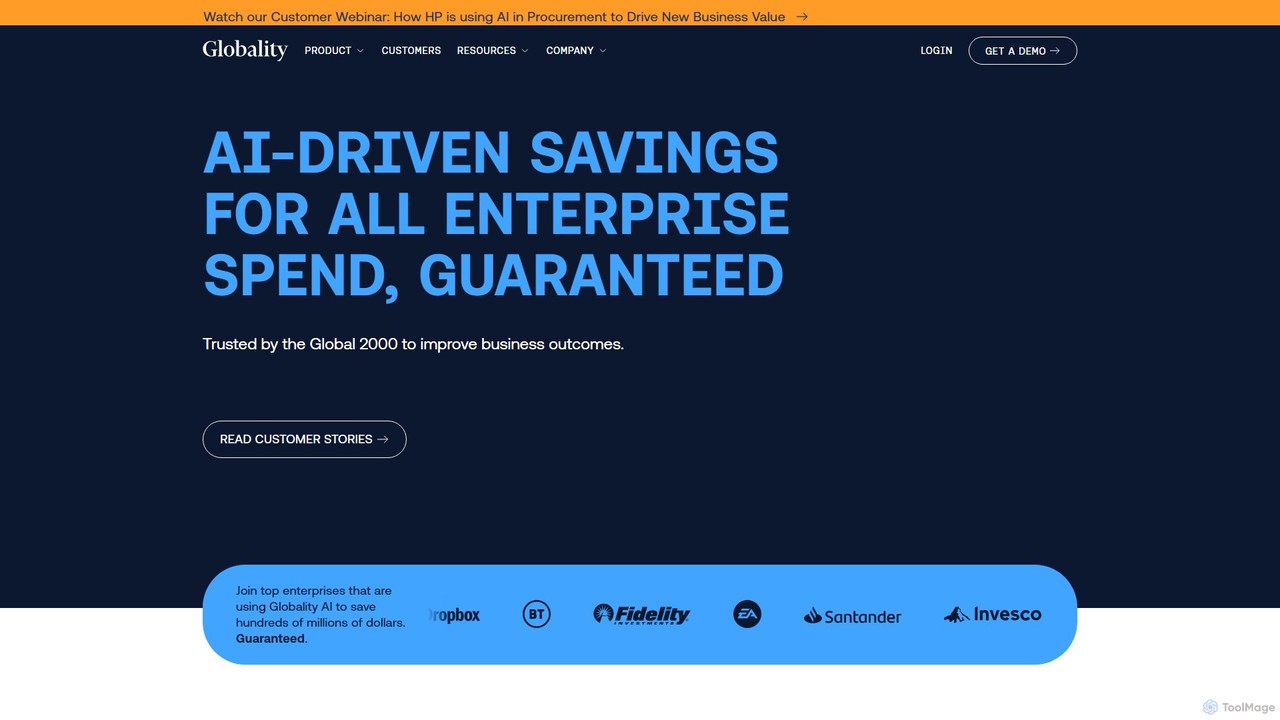
Globality is an AI-powered platform designed for large enterprises to optimize procurement and spend management. It utilizes autonomous sourcing and AI-driven workflows to provide total visibility over all company spending, guaranteeing significant cost savings and improving business outcomes. Trusted by Global 2000 companies, it transforms procurement into a smarter, more efficient, and strategic process.

Procurement
Visits 25.3KFavorites 110Likes 121
Specgen
Paid

Specgen

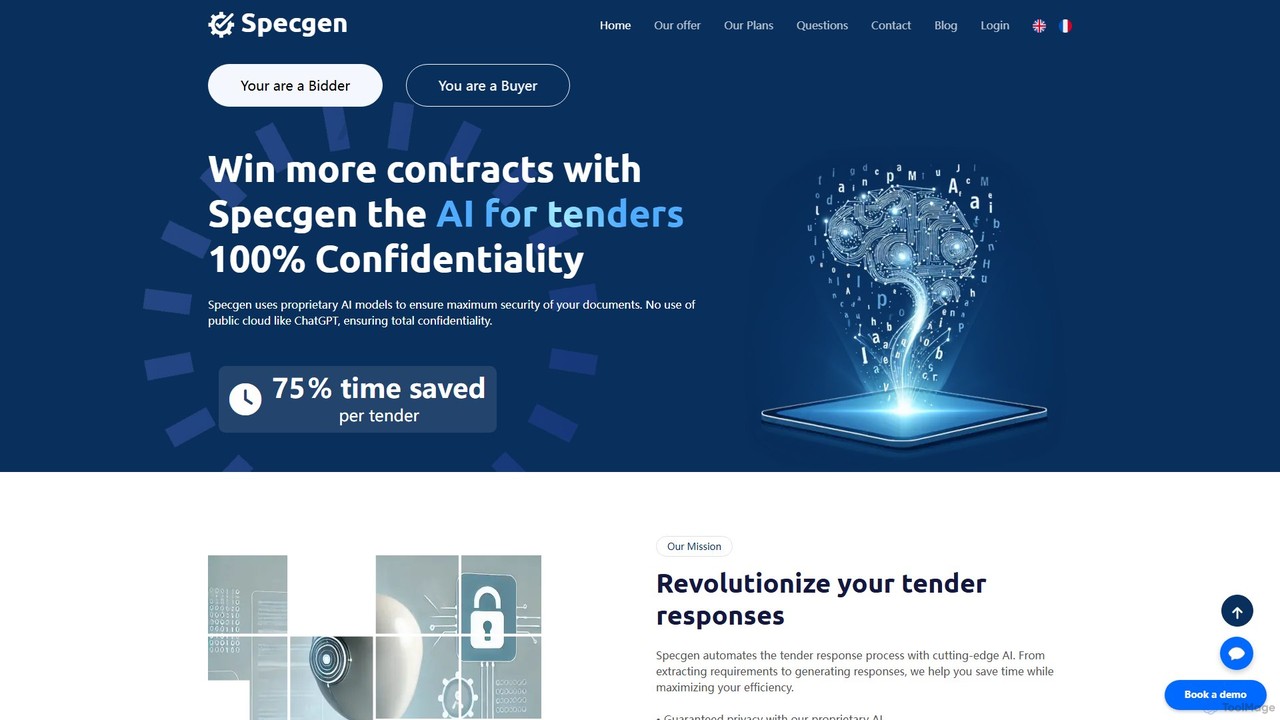
Specgen is a specialized AI platform designed to automate and streamline the process of responding to tenders and RFPs. It analyzes bid documents, extracts requirements, and generates personalized, compliant responses using your company's internal knowledge, all while guaranteeing 100% data confidentiality with private servers.

Procurement
Visits 4.6KFavorites 127Likes 120
RFxAI
Paid

RFxAI

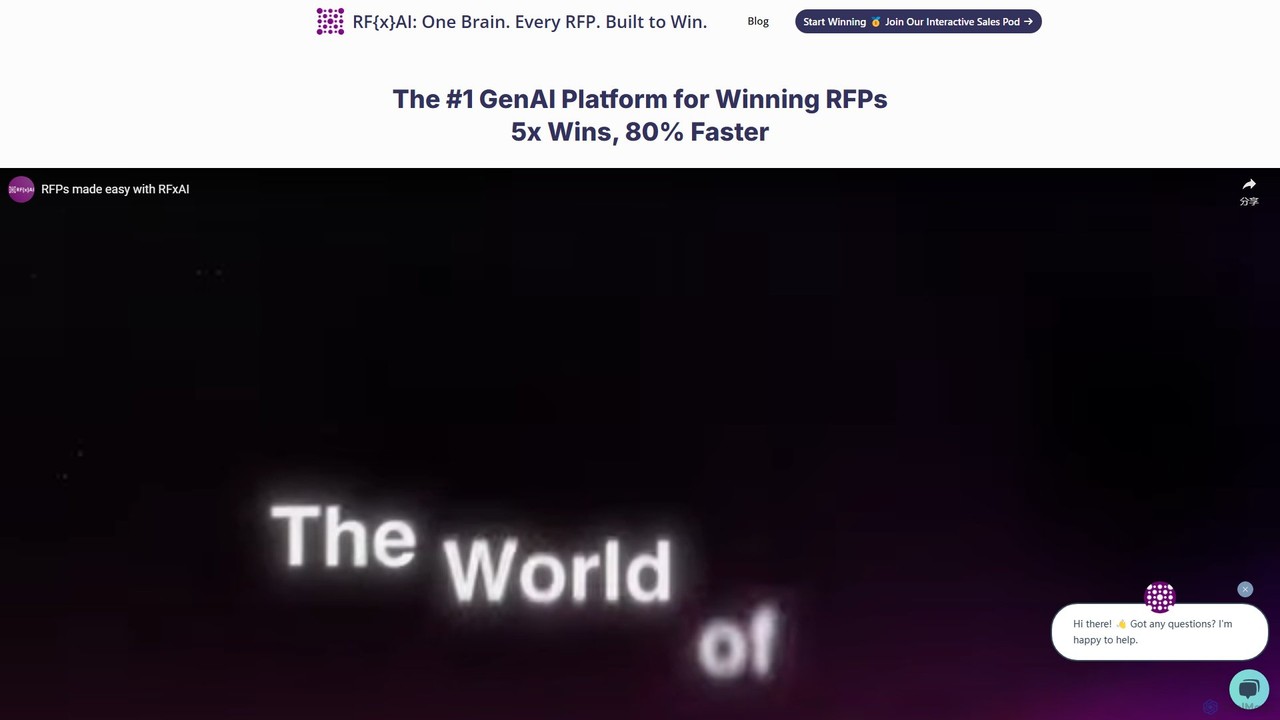
RFxAI is an AI-powered proposal intelligence platform designed to help businesses win RFPs (Requests for Proposal) faster and more effectively. It automates the response process, generating accurate, on-brand, and compliant proposals by leveraging a centralized content library and industry-specific knowledge.

Procurement
Visits 5.3KFavorites 156Likes 157
Ignite
Paid

Ignite

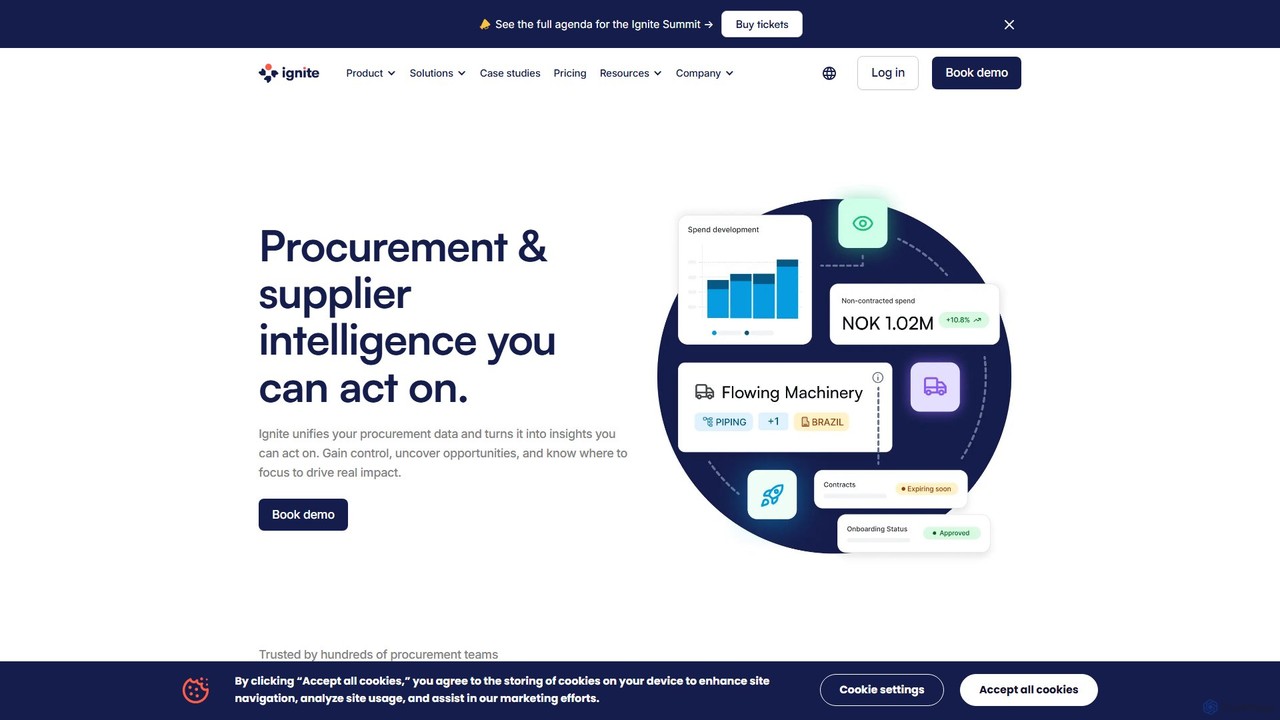
Ignite is an AI-powered platform for procurement and supplier intelligence. It unifies all procurement data into a single hub, providing actionable insights to optimize costs, manage supplier risks, and streamline ESG reporting. Gain full transparency and drive measurable impact within 30 days.

Procurement
Visits 15KFavorites 150Likes 150

About Procurement

AI Procurement tools are a class of software that uses artificial intelligence to automate and optimize the process of acquiring goods and services. These platforms leverage machine learning and natural language processing to analyze spending data, assess supplier risk, and streamline workflows. Their primary value lies in transforming procurement from a reactive, administrative function into a strategic, data-driven operation, leading to significant cost savings and improved supply chain resilience. This technology enables organizations to make smarter purchasing decisions with greater speed and accuracy.

Core Features

  • Spend Analysis: Automatically categorizes and analyzes company-wide spending to identify savings opportunities and off-contract purchases.
  • Supplier Risk Assessment: Continuously monitors data sources to evaluate supplier financial stability, compliance, and performance risks.
  • Automated Sourcing: Identifies and vets potential suppliers based on predefined criteria, and can automate parts of the request for proposal (RFP) process.
  • Contract Intelligence: Uses NLP to extract key terms, obligations, and renewal dates from contracts, ensuring compliance and preventing missed deadlines.
  • Predictive Analytics: Forecasts price fluctuations, demand patterns, and potential supply chain disruptions to inform purchasing strategy.

Use Cases

These tools are particularly valuable for medium to large enterprises in sectors like manufacturing, retail, healthcare, and technology, where supply chain complexity is high. Procurement managers, Chief Procurement Officers (CPOs), and supply chain analysts use them to manage strategic sourcing, control budgets, and mitigate risks associated with global suppliers.

How to Choose

When selecting an AI Procurement tool, consider its integration capabilities with your existing ERP and financial systems. Evaluate the sophistication of its AI models for spend analysis and risk prediction. Also, assess the platform's data security protocols, scalability to handle your transaction volume, and the user-friendliness of its interface for your procurement team.

Procurement use cases

1

Automating Spend Analysis for Cost Reduction

A procurement manager at a large manufacturing firm is tasked with reducing indirect spending by 10%. They use an AI Procurement tool to process and categorize millions of transactions from various systems. The AI automatically identifies instances of 'maverick spending' (purchases outside of approved contracts), highlights opportunities for supplier consolidation, and benchmarks prices against market rates. This data-driven approach allows the manager to renegotiate contracts and enforce purchasing policies, achieving significant cost savings without extensive manual analysis.

2

Proactive Supplier Risk Monitoring

A supply chain analyst for a global retail brand needs to ensure the stability of key suppliers. They use an AI platform that continuously scans thousands of sources, including news outlets, financial reports, and social media, for risk signals. The system flags a key component supplier showing signs of financial distress. This early warning allows the analyst to proactively engage with the supplier, develop a contingency plan, and begin vetting alternatives, preventing a potential production halt that could have cost millions.

3

Intelligent Contract Review and Management

A corporate legal team is overwhelmed with reviewing hundreds of supplier contracts each quarter. By implementing an AI-powered Contract Lifecycle Management (CLM) tool, they can automate the initial review process. The AI extracts key data points like renewal dates, liability clauses, and payment terms, flagging any non-standard or high-risk language for human review. This reduces the manual review time by over 70%, ensures no critical dates are missed, and improves overall contract compliance across the organization.

4

Optimizing Sourcing and Negotiation Strategy

A procurement team needs to source a critical raw material with volatile pricing. They use an AI tool that analyzes historical price data, market trends, and geopolitical factors to predict future price movements. The tool recommends the optimal time to issue a request for proposal (RFP) and provides data-backed negotiation points, such as target prices based on volume and contract length. This empowers the team to move beyond simple price comparisons and negotiate from a position of strength, securing better terms and mitigating price risk.

5

Streamlining Purchase Requisition and Approval

In a large enterprise, the process for employees to request new software is slow and manual. An AI procurement system automates this workflow. When an employee submits a request, the AI first checks if the company already has available licenses. If not, it routes the request to the correct budget holder based on department and cost. The system can also suggest pre-approved, alternative vendors that offer better pricing. This automation reduces approval times from weeks to days and ensures all purchases comply with company policy.

6

Enhancing Supplier Discovery and Onboarding

A fast-growing tech company needs to diversify its supplier base to support its expansion. A sourcing specialist uses an AI tool to scan a global database of millions of suppliers. They input specific criteria, such as sustainability certifications, industry experience, and diversity status. The AI generates a ranked shortlist of qualified suppliers in minutes, a task that would have taken weeks manually. The platform then automates the initial outreach and information gathering, streamlining the entire onboarding process and helping the company build a more resilient and diverse supply chain.

Procurement FAQ

What are AI Procurement tools?

AI Procurement tools are software platforms that use artificial intelligence, particularly machine learning and natural language processing, to enhance and automate procurement functions. They go beyond traditional transaction management by providing intelligent insights for spend analysis, supplier risk assessment, contract management, and strategic sourcing. The goal is to make the entire procure-to-pay cycle more efficient, cost-effective, and resilient to disruption.

How to choose the right AI Procurement tool?

Choosing the right tool depends on your specific needs. Consider these factors:

  • Integration: Ensure it can seamlessly connect with your existing ERP, finance, and other business systems.
  • Functionality: Does it cover the areas you need most, such as spend analytics, sourcing, contract management, or risk assessment?
  • Data Security: Verify its security protocols and compliance with data protection regulations like GDPR.
  • Scalability: Can the tool handle your current and future transaction volume and data complexity?
  • User Experience: The platform should be intuitive for your procurement team to adopt and use effectively.
What's the difference between AI Procurement software and traditional ERP procurement modules?

Traditional ERP procurement modules are primarily systems of record, designed for processing transactions like purchase orders and invoices. They are excellent for managing structured data and enforcing process compliance. AI Procurement software, on the other hand, acts as a system of intelligence. It analyzes both structured and unstructured data (like contracts and news articles) to provide predictive insights, identify hidden risks and opportunities, and automate complex decision-making, augmenting the capabilities of a standard ERP.

What are the key benefits of using AI in procurement?

The primary benefits include:

  • Cost Savings: Through better spend visibility, supplier consolidation, and data-driven negotiation strategies.
  • Risk Mitigation: Proactive identification of supplier financial, compliance, and operational risks before they cause disruptions.
  • Increased Efficiency: Automation of repetitive tasks like invoice processing and contract review frees up procurement professionals for more strategic work.
  • Improved Compliance: AI helps enforce purchasing policies and ensures adherence to contract terms, reducing maverick spending and legal exposure.
Who can benefit from using AI Procurement tools?

While any business can benefit, AI Procurement tools provide the most value to mid-to-large enterprises with complex supply chains and significant spending. Key roles that benefit include:

  • Chief Procurement Officers (CPOs): For strategic oversight, risk management, and demonstrating value to the business.
  • Procurement Managers: To automate tactical tasks, identify savings, and manage supplier relationships more effectively.
  • Supply Chain Analysts: To monitor for disruptions, assess supplier performance, and improve supply chain resilience.
  • Finance Departments: For better budget control, spend visibility, and ensuring policy compliance.