Nudggit
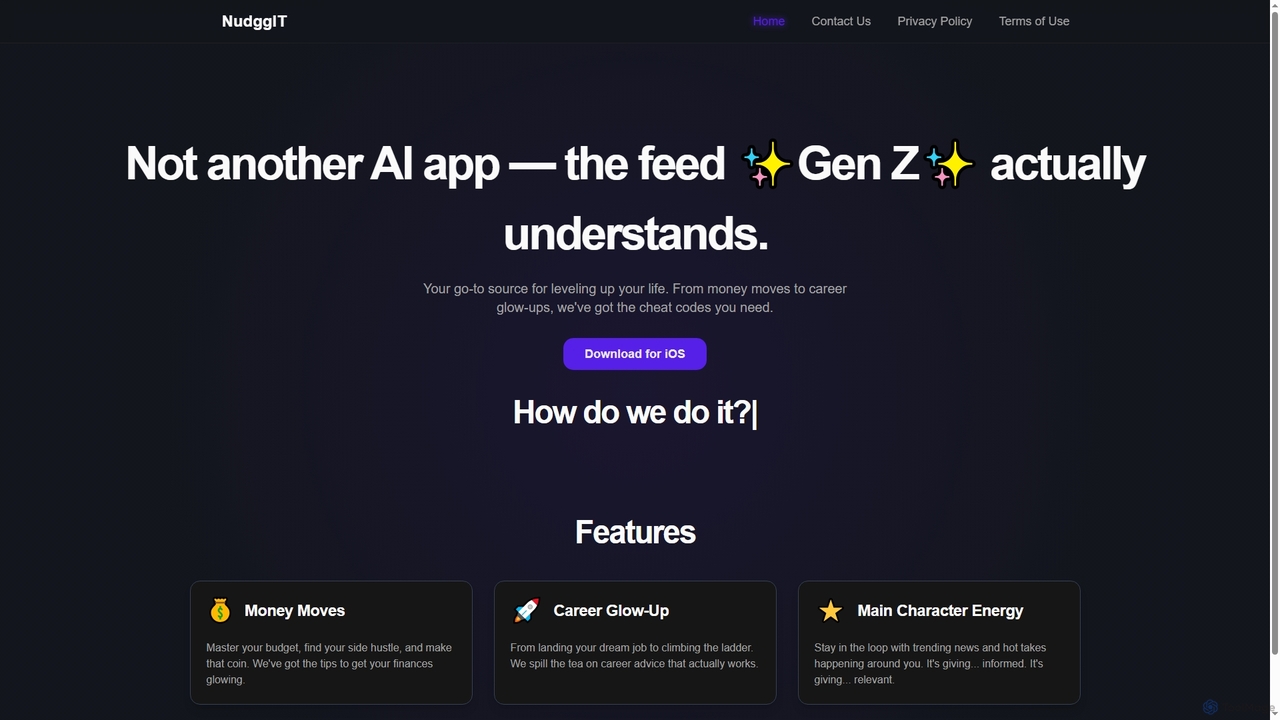
Nudggit is a dynamic mobile application designed specifically for Gen Z, offering actionable insights and 'cheat codes' to …
Nudggit is a dynamic mobile application designed specifically for Gen Z, offering actionable insights and 'cheat codes' to level up various aspects of life. It provides curated content on personal finance, career development, and trending news to help users stay informed and empowered.
Honeydue
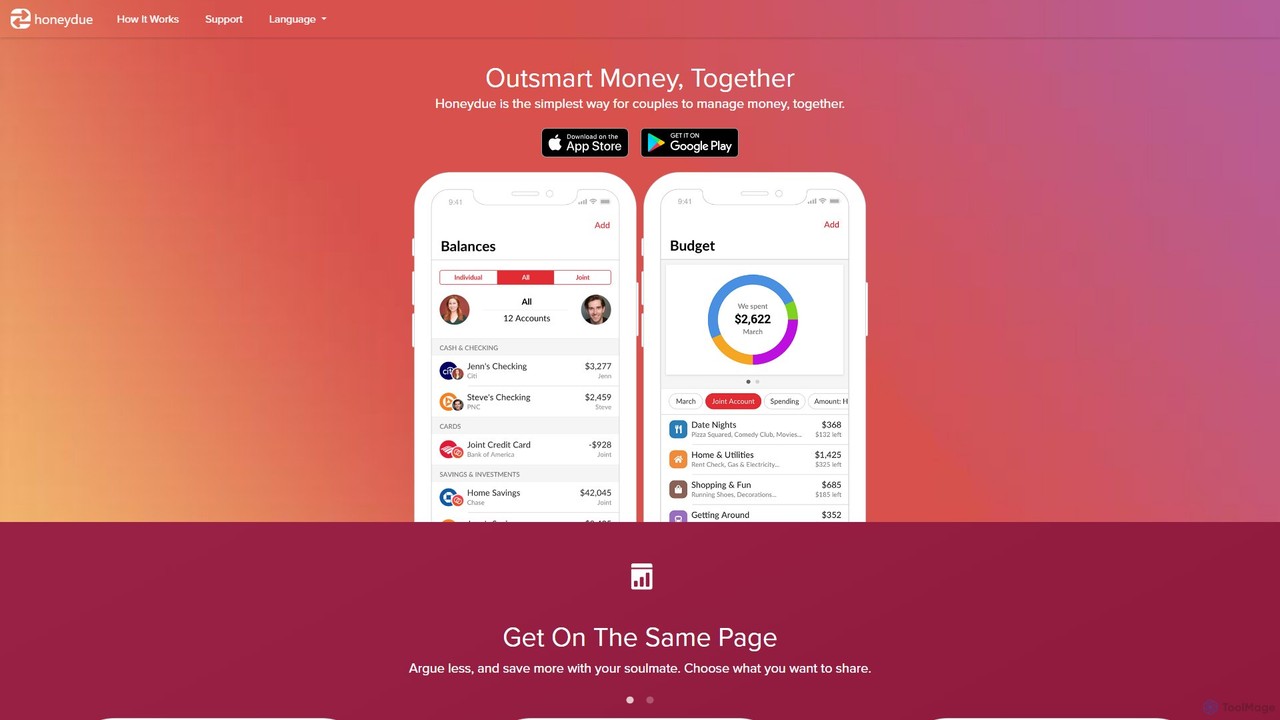
Honeydue is the leading free finance and budgeting app designed specifically for couples. It helps partners manage money, …
Honeydue is the leading free finance and budgeting app designed specifically for couples. It helps partners manage money, track all accounts, coordinate bills, and communicate about finances transparently, fostering collaboration and reducing financial stress in the relationship.
PocketGuard
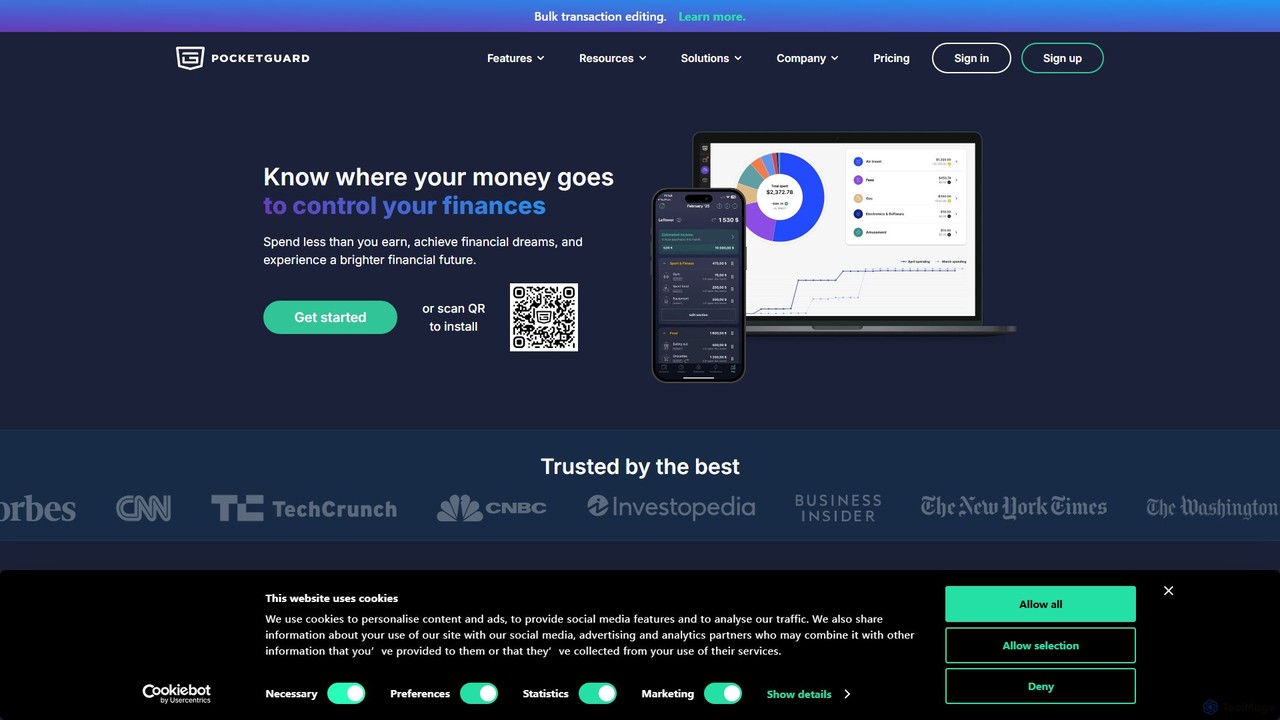
PocketGuard is a smart personal finance and budgeting app that simplifies money management. It uses AI to automatically …
PocketGuard is a smart personal finance and budgeting app that simplifies money management. It uses AI to automatically categorize spending, track bills, and calculate your "In My Pocket" disposable income. It helps you understand where your money goes, find savings, and achieve financial goals with a clear, easy-to-use interface.
Lumio
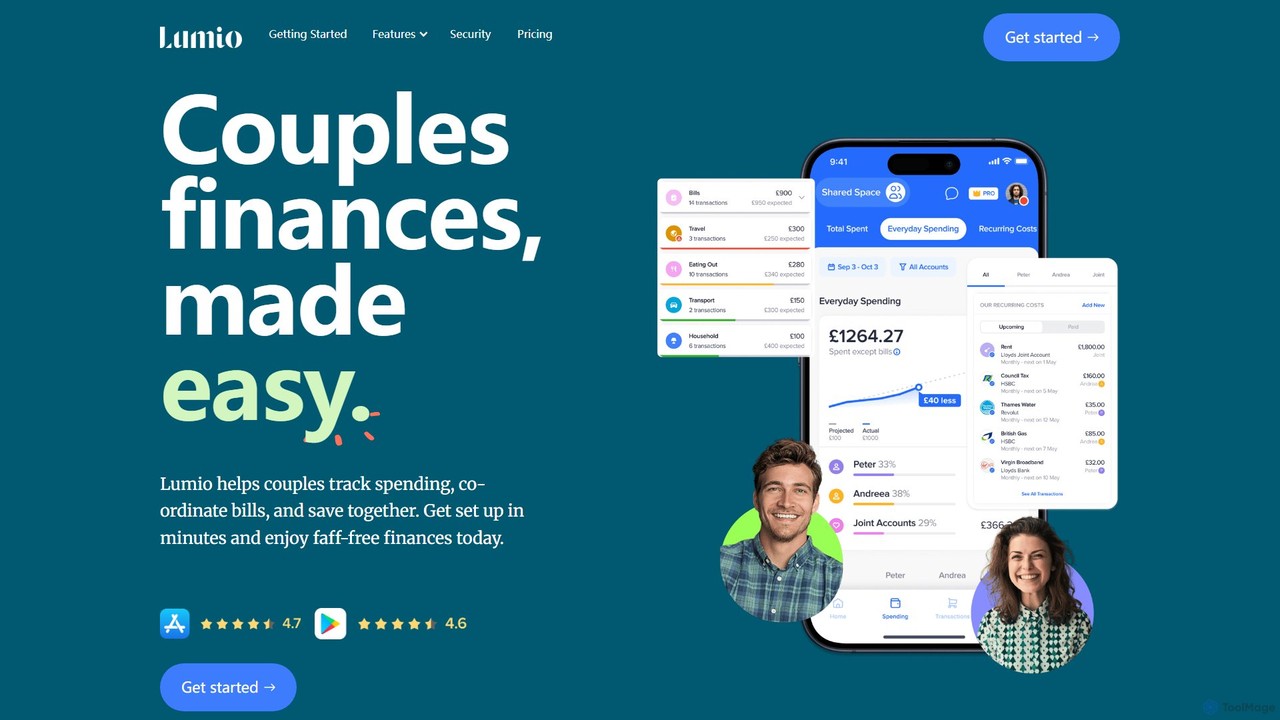
Lumio is a financial management app designed for modern couples. It simplifies shared finances by allowing partners to …
Lumio is a financial management app designed for modern couples. It simplifies shared finances by allowing partners to connect their bank accounts, track joint spending, coordinate bills, and manage savings together, all without needing a traditional joint account. It offers clarity and collaboration to reduce financial stress.
skwad
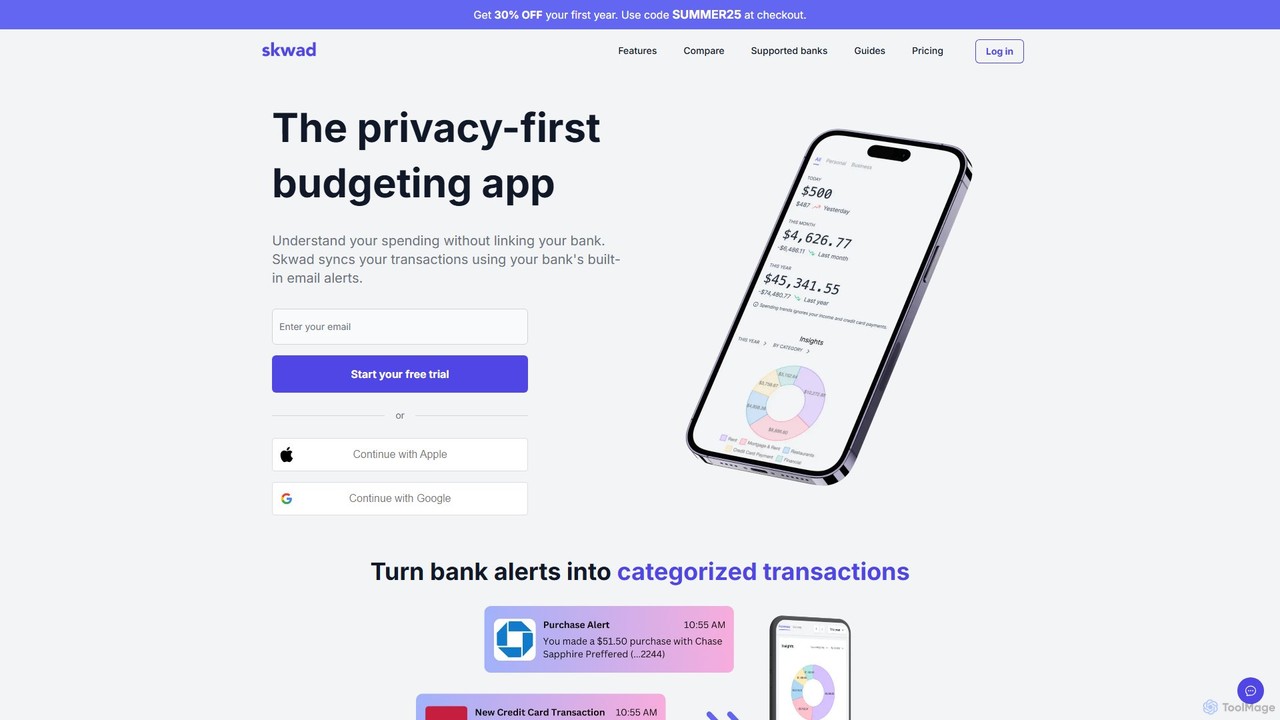
skwad is a privacy-first budgeting app that syncs transactions via your bank's email alerts, eliminating the need to …
skwad is a privacy-first budgeting app that syncs transactions via your bank's email alerts, eliminating the need to share your bank login credentials. It offers automatic categorization, customizable budgets, bill tracking, and collaborative features for managing finances securely and effortlessly.
Goodbudget
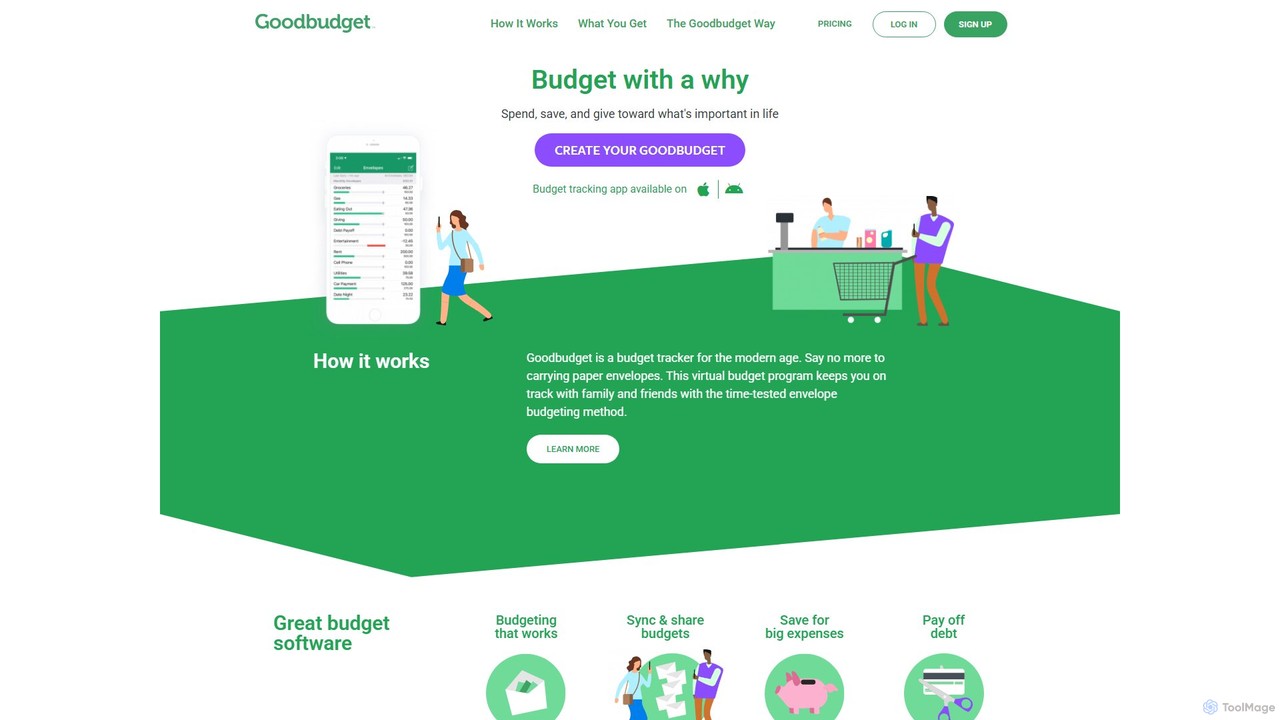
Goodbudget is a digital envelope budgeting app for personal finance management, based on the time-tested envelope system. It …
Goodbudget is a digital envelope budgeting app for personal finance management, based on the time-tested envelope system. It helps individuals and couples proactively plan their spending, save for big goals, and pay off debt. Available on Web, Android, and iPhone, it facilitates shared budgeting with real-time syncing.
CashKaka
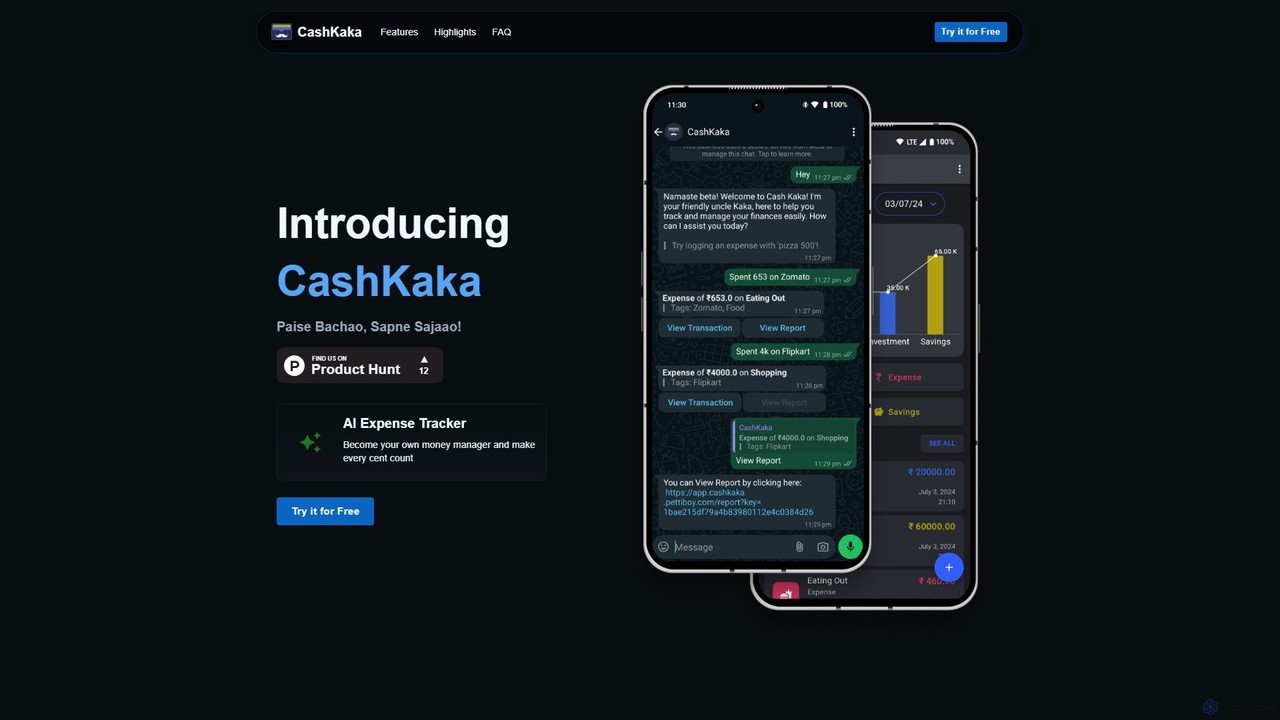
CashKaka is an AI-powered expense tracker that operates entirely within WhatsApp. Users can log expenses, track spending, and …
CashKaka is an AI-powered expense tracker that operates entirely within WhatsApp. Users can log expenses, track spending, and generate financial reports by sending simple text or voice messages. It leverages Natural Language Understanding to make financial management accessible and effortless, helping users save money and achieve their financial goals.
About Budgeting
Budgeting tools are AI-powered applications designed to help individuals and businesses manage their financial resources effectively. These tools leverage machine learning algorithms to analyze income and expenditure patterns, providing predictive insights and automating financial tracking. Their primary value lies in simplifying financial planning, identifying potential savings, and offering personalized recommendations for fiscal health, transforming raw financial data into actionable strategies for better money management.
Core Features
- Automated Expense Categorization: Automatically classifies transactions into predefined or custom categories using AI, saving manual effort.
- Predictive Spending Analysis: Forecasts future spending based on historical data, helping users anticipate financial needs and potential shortfalls.
- Personalized Budget Recommendations: Offers tailored budget allocations and savings goals based on individual financial behavior and objectives.
- Real-time Financial Tracking: Provides up-to-date views of income, expenses, and account balances across multiple financial institutions.
- Debt Management & Optimization: Analyzes debt structures and suggests optimal repayment strategies to minimize interest and accelerate payoff.
Use Cases
Individuals and small businesses utilize AI budgeting tools to gain clarity and control over their finances. For instance, a freelancer can track irregular income and project expenses for tax planning, while a small e-commerce store owner can monitor cash flow, identify spending leaks, and optimize operational budgets. These tools are also invaluable for families aiming to save for major purchases or manage household bills more efficiently.
How to Choose
When selecting an AI budgeting tool, consider its integration capabilities with your existing bank accounts and financial platforms, the depth of its predictive analytics, and the level of customization it offers for budget categories and reporting. Evaluate its security protocols for handling sensitive financial data, user interface simplicity, and pricing model (subscription vs. one-time purchase).
BudgetingUse Cases
Personal Financial Planning & Savings
Individuals aiming to achieve specific financial goals, such as saving for a down payment or retirement, use AI budgeting tools to set realistic targets. The tool analyzes spending habits, identifies areas for reduction, and provides automated alerts or suggestions to stay on track, optimizing savings accumulation.
Small Business Cash Flow Management
Small business owners, including freelancers and startups, leverage these tools to monitor incoming revenue and outgoing expenses in real-time. The AI helps categorize business transactions, project future cash flow, and flag potential liquidity issues, enabling proactive financial decisions and better operational planning.
Debt Reduction Strategy Development
Users with multiple debts (credit cards, loans) employ AI budgeting tools to analyze interest rates and balances. The tool suggests optimized repayment plans, such as the snowball or avalanche method, and tracks progress, empowering users to accelerate debt payoff and reduce overall interest paid.
Automated Expense Tracking for Freelancers
Freelancers often have varied income and numerous business expenses. AI budgeting tools automatically import and categorize transactions from bank accounts and credit cards, simplifying expense tracking for tax purposes and ensuring accurate financial records without manual data entry.
Household Budgeting & Bill Management
Families use AI budgeting tools to manage shared finances, track household expenses, and ensure timely bill payments. The tool can predict upcoming bills, allocate funds for different categories (groceries, utilities, entertainment), and provide a consolidated view of family spending, fostering financial transparency.
Investment Goal Tracking & Optimization
While not direct investment platforms, AI budgeting tools can integrate with investment accounts to provide a holistic view of net worth. They help users allocate funds from their budget towards investment goals, track portfolio growth, and ensure that financial planning aligns with long-term investment strategies.