Prophex
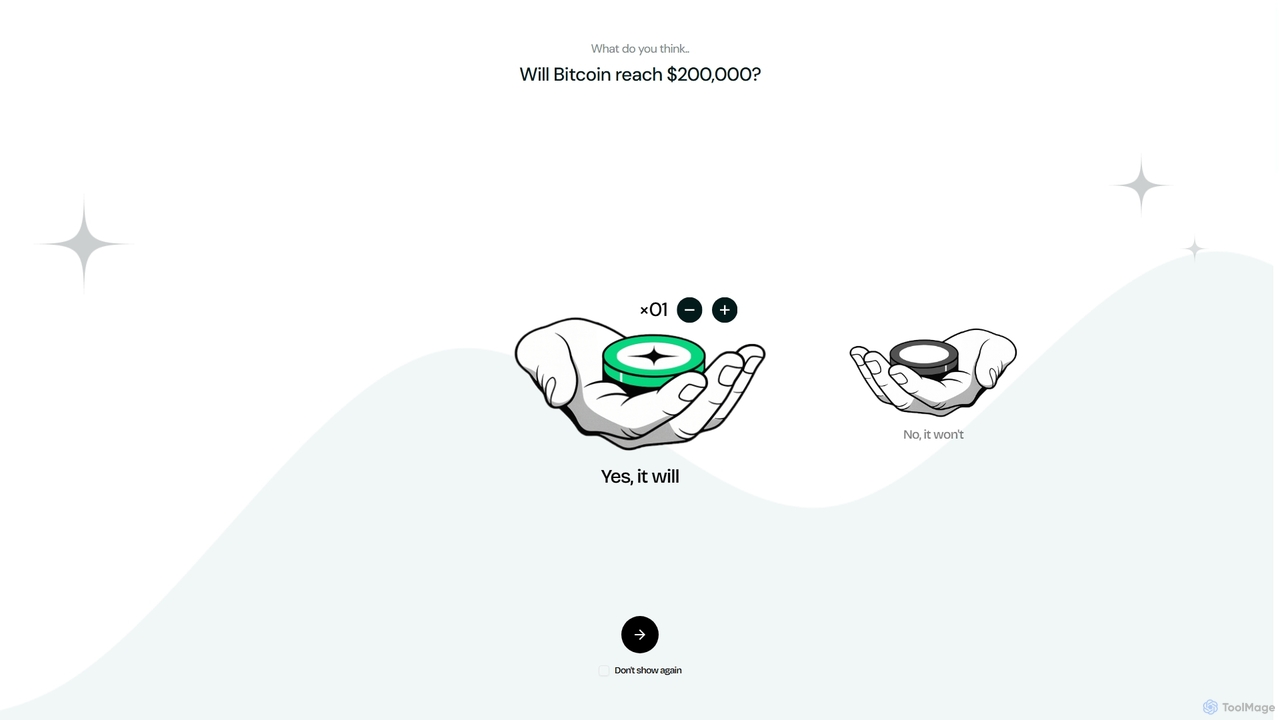
Prophex is a decentralized perpetual prediction market platform where users can trade on real-world outcomes with up to …
Prophex is a decentralized perpetual prediction market platform where users can trade on real-world outcomes with up to 10x leverage. It combines the mechanics of futures trading with prediction markets, offering dynamic pricing, instant settlement, and non-custodial trading directly from your crypto wallet without KYC.
Swaap
Swaap is a research-driven, market-neutral Automated Market Maker (AMM) protocol for decentralized finance (DeFi). It builds and operates …
Swaap is a research-driven, market-neutral Automated Market Maker (AMM) protocol for decentralized finance (DeFi). It builds and operates sophisticated on-chain trading systems designed to provide deep liquidity and minimize impermanent loss for liquidity providers, operating across more than 11 blockchains.
About Decentralized Finance
Decentralized Finance (DeFi) refers to a blockchain-based financial system that offers traditional financial services without intermediaries. It leverages smart contracts on public blockchains, primarily Ethereum, to create open, transparent, and permissionless financial applications. DeFi aims to democratize finance, providing users with greater control over their assets and enabling innovative financial instruments accessible to anyone with an internet connection.
Core Features
- Decentralized Exchanges (DEXs): Facilitate peer-to-peer cryptocurrency trading directly from user wallets, eliminating the need for centralized custodians.
- Lending and Borrowing Protocols: Enable users to lend their crypto assets to earn interest or borrow funds by providing collateral, all managed by smart contracts.
- Yield Farming and Staking: Allow users to earn rewards by providing liquidity to protocols or locking up assets to support network operations and governance.
- Stablecoins: Cryptocurrencies pegged to stable assets like the US dollar, crucial for reducing volatility within the DeFi ecosystem.
- Decentralized Insurance: Offer coverage against smart contract vulnerabilities, hacks, or other risks inherent in the DeFi space.
Applicable Scenarios
DeFi tools are utilized by crypto investors seeking passive income, developers building innovative financial applications, and individuals looking for alternative, censorship-resistant financial services. They are ideal for those who wish to bypass traditional banking systems, engage in global financial markets, or leverage their digital assets in new ways.
How to Choose
When selecting DeFi platforms, consider the security of smart contracts (look for audits), the liquidity available for your desired assets, the user interface's ease of use, and the associated transaction (gas) fees. Evaluate the project's community support and its track record for reliability and innovation to ensure a secure and efficient experience.
Decentralized FinanceUse Cases
Earning Passive Income through Crypto Lending
A crypto holder wants to earn returns on their idle digital assets. They can deposit their Bitcoin or Ethereum into a DeFi lending protocol like Aave or Compound, which automatically lends it to borrowers. In return, the lender earns interest, often paid out in real-time, providing a passive income stream without needing a traditional bank account.
Executing Peer-to-Peer Cryptocurrency Trades
An investor wishes to swap one cryptocurrency for another without relying on a centralized exchange that holds their funds. Using a Decentralized Exchange (DEX) such as Uniswap or PancakeSwap, they can connect their personal crypto wallet and execute trades directly with other users via smart contracts, maintaining full custody of their assets throughout the process.
Providing Liquidity to Decentralized Exchanges
A user with a pair of cryptocurrencies (e.g., ETH and USDC) can contribute them to a liquidity pool on a DEX. This enables other users to trade these assets. In exchange for providing this liquidity, the user earns a portion of the trading fees generated by the pool, and often receives additional governance tokens as "yield farming" rewards.
Borrowing Funds Against Crypto Collateral
An individual needs fiat currency or stablecoins but doesn't want to sell their long-term crypto holdings. They can use a DeFi borrowing protocol to lock their crypto (e.g., ETH) as collateral and borrow stablecoins (e.g., DAI or USDC) against it. This allows them to access liquidity without triggering a taxable event from selling their assets.
Participating in Decentralized Governance
Holders of certain DeFi protocol tokens can use them to vote on important decisions regarding the protocol's future, such as fee structures, upgrades, or treasury allocations. This empowers the community to collectively steer the development and evolution of the decentralized financial ecosystem, fostering a truly community-owned system.
Protecting Assets with Decentralized Insurance
A user has a significant amount of funds locked in a DeFi lending protocol and is concerned about potential smart contract vulnerabilities or hacks. They can purchase decentralized insurance coverage from platforms like Nexus Mutual, which provides a payout if a covered event occurs, mitigating the financial risk associated with DeFi participation.