Best of the Year 3 results Financial Services AI Tools

Popular AI tools in the Financial Services field include Moveo.AI、Equitybee、FlightClaimsAI, etc., helping you quickly improve efficiency.

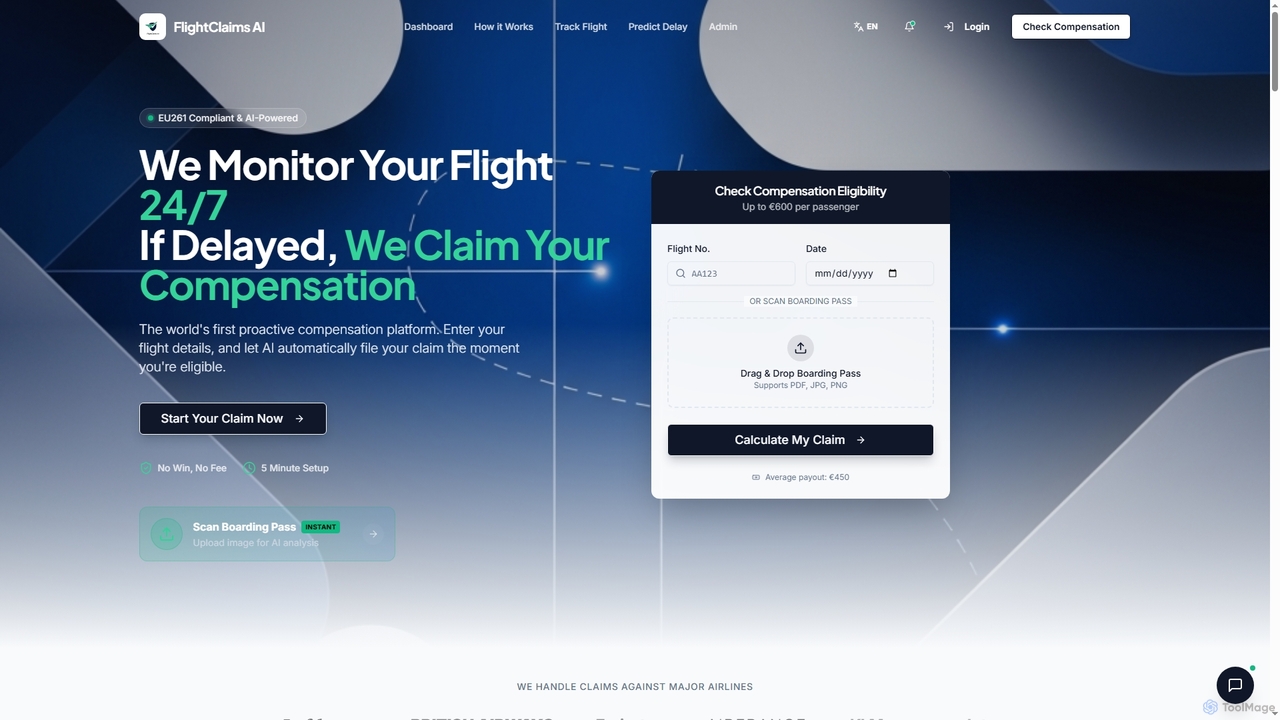
FlightClaimsAI

FlightClaimsAI

FlightClaimsAI is the world's first proactive, AI-powered platform designed to automatically file flight compensation claims under EU261 regulations. …

2.4K
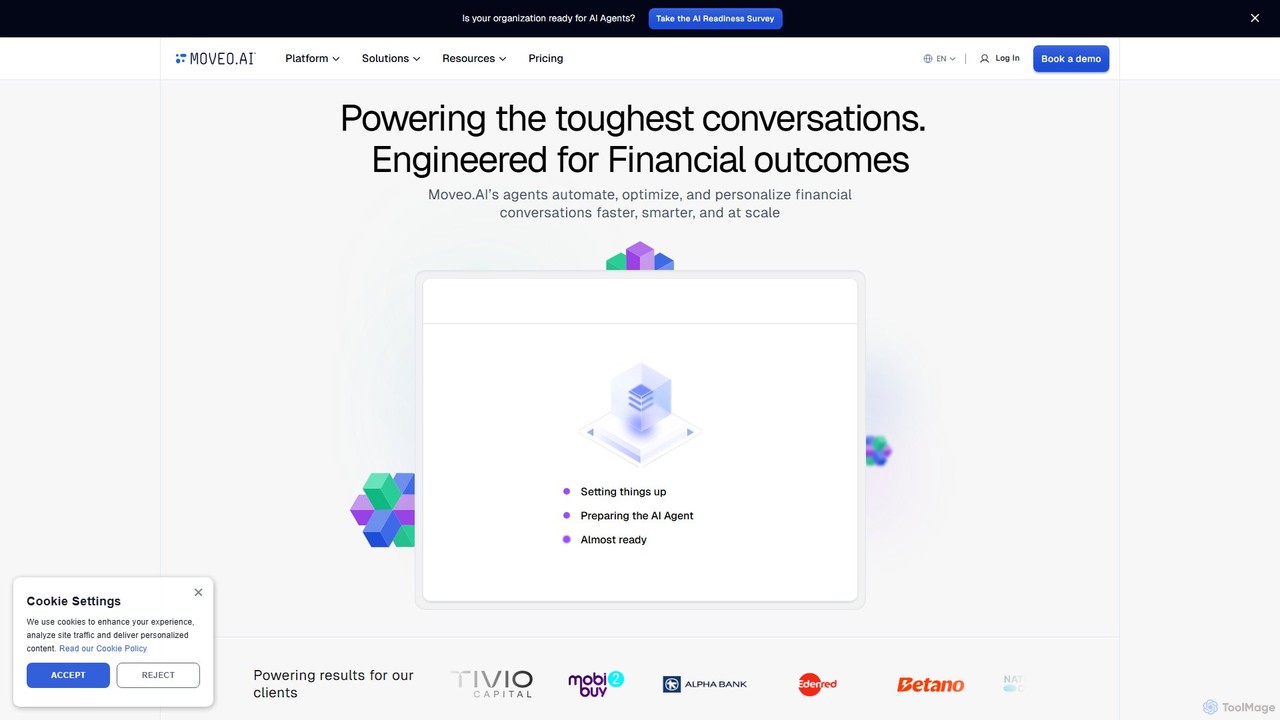
Moveo.AI

Moveo.AI

A specialized AI agent platform for financial services, designed to automate and personalize complex customer conversations. Moveo.AI uses …

65.7K
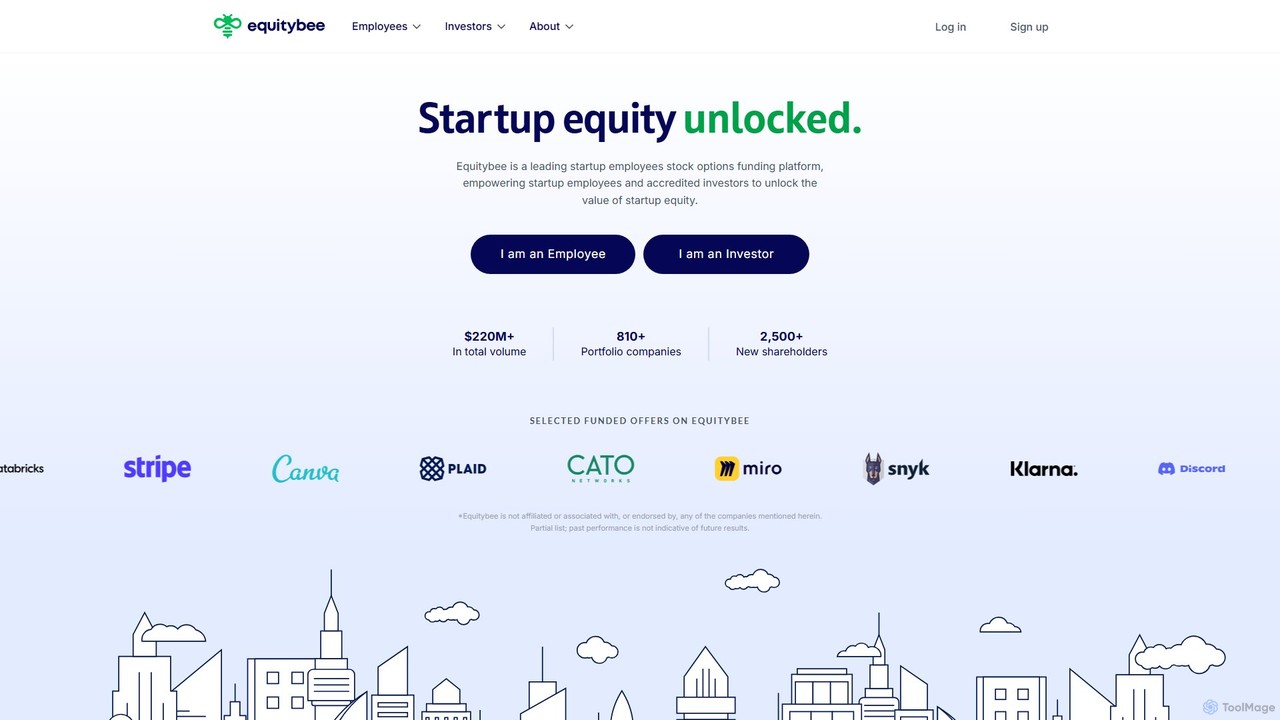
Equitybee

Equitybee

Equitybee is a fintech platform that connects startup employees with accredited investors. It provides employees with the capital …

35.2K

About Financial Services

Financial Services AI tools are a category of advanced software solutions that leverage artificial intelligence to optimize and automate various processes within the financial industry. These tools utilize machine learning, natural language processing, and predictive analytics to enhance decision-making, improve operational efficiency, and personalize customer experiences. They deliver significant value by transforming traditional financial operations, from investment management to regulatory compliance, enabling institutions to gain competitive advantages and mitigate risks. Their integration allows for more data-driven insights and scalable service delivery across banking, insurance, and asset management sectors.

Core Features

  • Automated Data Analysis: Processes vast financial datasets to identify trends, patterns, and anomalies for informed decision-making.
  • Risk Assessment & Fraud Detection: Employs machine learning models to predict and identify potential financial risks and fraudulent activities in real-time.
  • Personalized Financial Advice: Utilizes AI to analyze individual financial profiles and provide tailored investment recommendations or budgeting advice.
  • Customer Service Automation: Powers chatbots and virtual assistants to handle inquiries, provide support, and streamline client interactions.
  • Algorithmic Trading: Executes trades based on complex algorithms and market data analysis, optimizing investment strategies.

Applicable Scenarios

Financial Services AI tools are widely adopted across various segments of the finance industry. Banks use them for credit scoring, loan application processing, and enhancing digital banking experiences. Investment firms leverage AI for market prediction, portfolio optimization, and high-frequency trading. Insurance companies apply these tools for underwriting, claims processing, and personalized policy recommendations, while regulatory bodies use them for compliance monitoring and detecting illicit financial activities.

How to Choose

When selecting Financial Services AI tools, consider the specific financial function you aim to enhance, such as risk management, customer engagement, or investment analysis. Evaluate the tool's integration capabilities with existing financial systems, its compliance with industry regulations (e.g., GDPR, AML), and the accuracy and transparency of its AI models. Assess the vendor's expertise in financial AI, data security measures, and the scalability of the solution to meet future demands.

Financial ServicesUse Cases

1

Automating Fraud Detection in Banking Transactions

A bank's risk management team utilizes AI tools to monitor millions of daily transactions in real-time. The AI system analyzes patterns, anomalies, and historical data to flag suspicious activities that deviate from normal customer behavior, such as unusual spending locations or large, uncharacteristic transfers. This proactive detection significantly reduces financial losses from fraud, enhances security for customers, and streamlines the investigation process by prioritizing high-risk alerts for human review.

2

Personalized Investment Portfolio Management

An individual investor or wealth manager employs an AI-powered platform to create and manage personalized investment portfolios. The AI analyzes the client's risk tolerance, financial goals, income, and existing assets, then recommends a diversified portfolio of stocks, bonds, and other instruments. It continuously monitors market conditions and portfolio performance, automatically rebalancing or suggesting adjustments to optimize returns and mitigate risks, providing tailored financial guidance without constant manual oversight.

3

Enhancing Customer Support with AI Chatbots

A large financial institution deploys AI chatbots on its website and mobile app to handle routine customer inquiries 24/7. These chatbots can answer common questions about account balances, transaction history, loan applications, and product information, freeing up human agents for more complex issues. By providing instant, accurate responses, the AI significantly improves customer satisfaction, reduces call center wait times, and lowers operational costs, offering scalable support during peak hours.

4

Predictive Analytics for Credit Risk Assessment

Lending institutions use AI-driven predictive analytics to assess the creditworthiness of loan applicants more accurately and efficiently. The AI processes vast amounts of data, including credit scores, income, employment history, and even alternative data points, to generate a comprehensive risk profile. This enables faster loan approvals for qualified applicants, reduces default rates by identifying high-risk borrowers, and allows for more precise interest rate setting, leading to a healthier loan portfolio.

5

Optimizing Algorithmic Trading Strategies

Quantitative traders and hedge funds leverage AI to develop and refine complex algorithmic trading strategies. The AI analyzes real-time market data, news sentiment, and historical price movements to identify profitable trading opportunities across various asset classes. It can execute trades at high speeds, adapt to changing market conditions, and learn from past performance to continuously optimize entry and exit points, aiming to maximize returns and minimize human error in volatile markets.

6

Streamlining Regulatory Compliance and Reporting

Financial compliance departments utilize AI tools to automate the monitoring of transactions and communications for adherence to regulatory requirements like AML (Anti-Money Laundering) and KYC (Know Your Customer). The AI can quickly scan vast documents and data streams to identify potential breaches, generate audit trails, and prepare regulatory reports. This significantly reduces the manual effort involved in compliance, minimizes the risk of penalties, and ensures financial institutions maintain a strong regulatory posture.

Financial ServicesFrequently Asked Questions