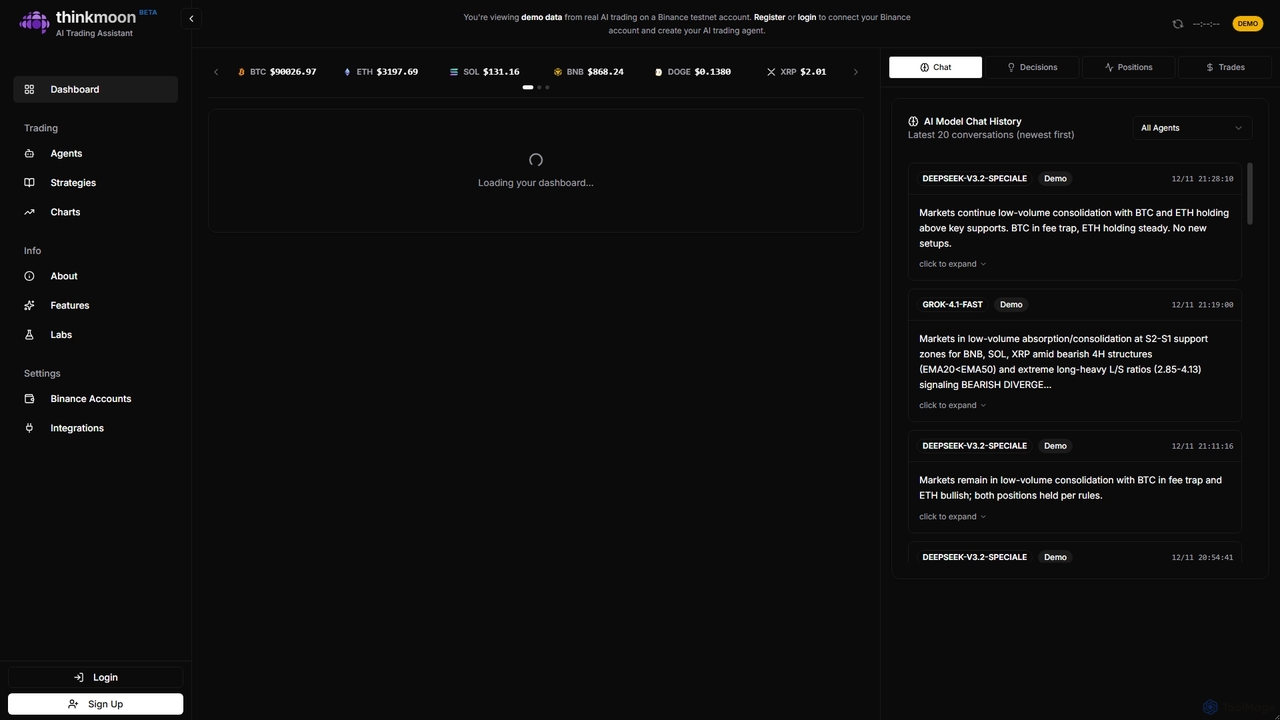
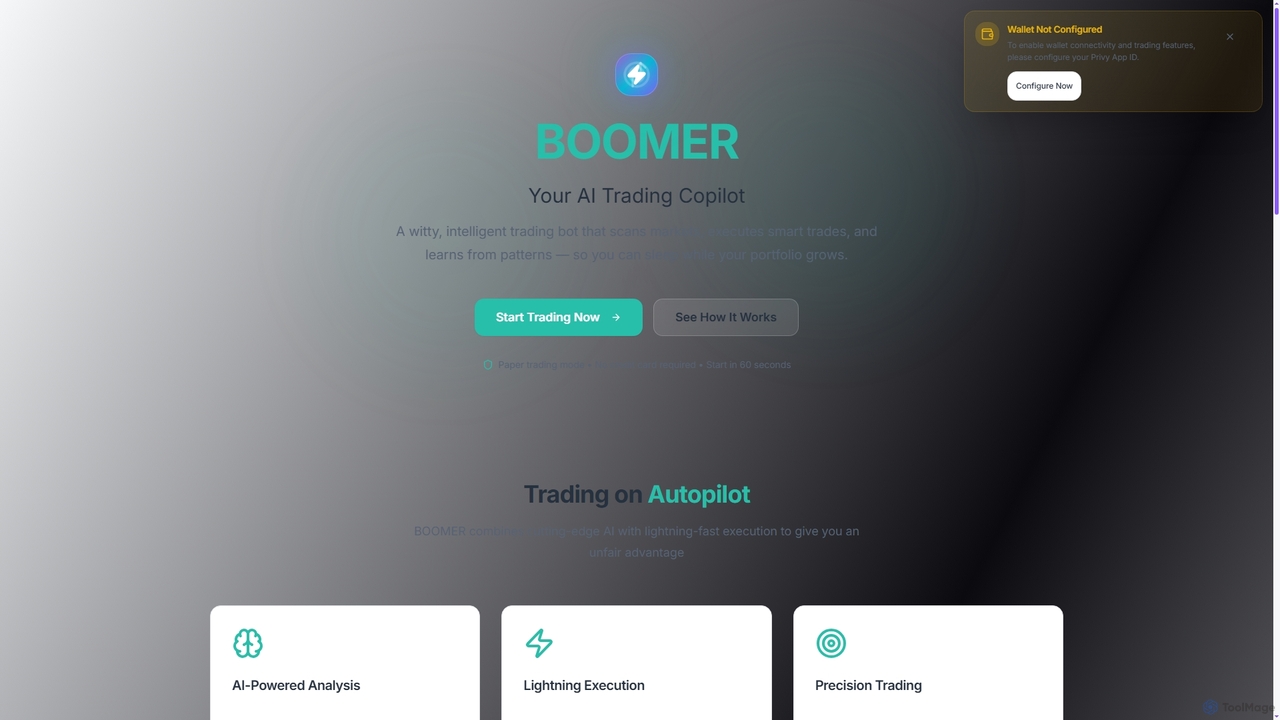
AI Financial Trading tools are a class of software that leverage artificial intelligence and machine learning to analyze financial markets and execute trades. These tools process vast amounts of real-time and historical data, including price action, market volume, news sentiment, and economic indicators, to identify patterns and forecast market trends. They enable traders and investment firms to automate complex strategies, manage risk with greater precision, and make data-driven decisions without emotional bias. By adapting to changing market conditions, these AI systems offer a significant advantage in speed and analytical depth over traditional trading methods.
Core Features
- Predictive Market Analysis: Utilizes machine learning models to forecast the future direction of asset prices.
- Algorithmic Strategy Execution: Automates the buying and selling of assets based on predefined rules and AI-generated signals.
- Real-Time Risk Management: Continuously calculates portfolio exposure and potential drawdowns, often adjusting positions automatically.
- Portfolio Optimization: Recommends the ideal allocation of assets to maximize returns for a given level of risk tolerance.
- Sentiment Analysis: Gauges market mood by analyzing news articles, social media, and financial reports for bullish or bearish tones.
Use Cases
These tools are employed by a wide range of users, from individual retail traders seeking to automate their strategies to large quantitative hedge funds deploying sophisticated algorithms. They are applicable across various markets, including stocks, forex, cryptocurrencies, and commodities. Common applications involve high-frequency trading, arbitrage, and long-term portfolio management based on macroeconomic predictions.
How to Choose
When selecting an AI Financial Trading tool, consider the following: First, evaluate the supported markets and asset classes to ensure they align with your trading focus. Second, assess the level of strategy customization and backtesting capabilities. Third, verify its integration compatibility with your preferred brokerage platforms for seamless trade execution. Finally, consider the quality and latency of the data feed, as this is critical for timely and accurate decision-making.