Fintech Best in category 1 results Lending AI Tool

Popular AI tools in the Lending field of Fintech include Drip Capital, etc., helping you quickly improve efficiency.

Drip Capital

Drip Capital

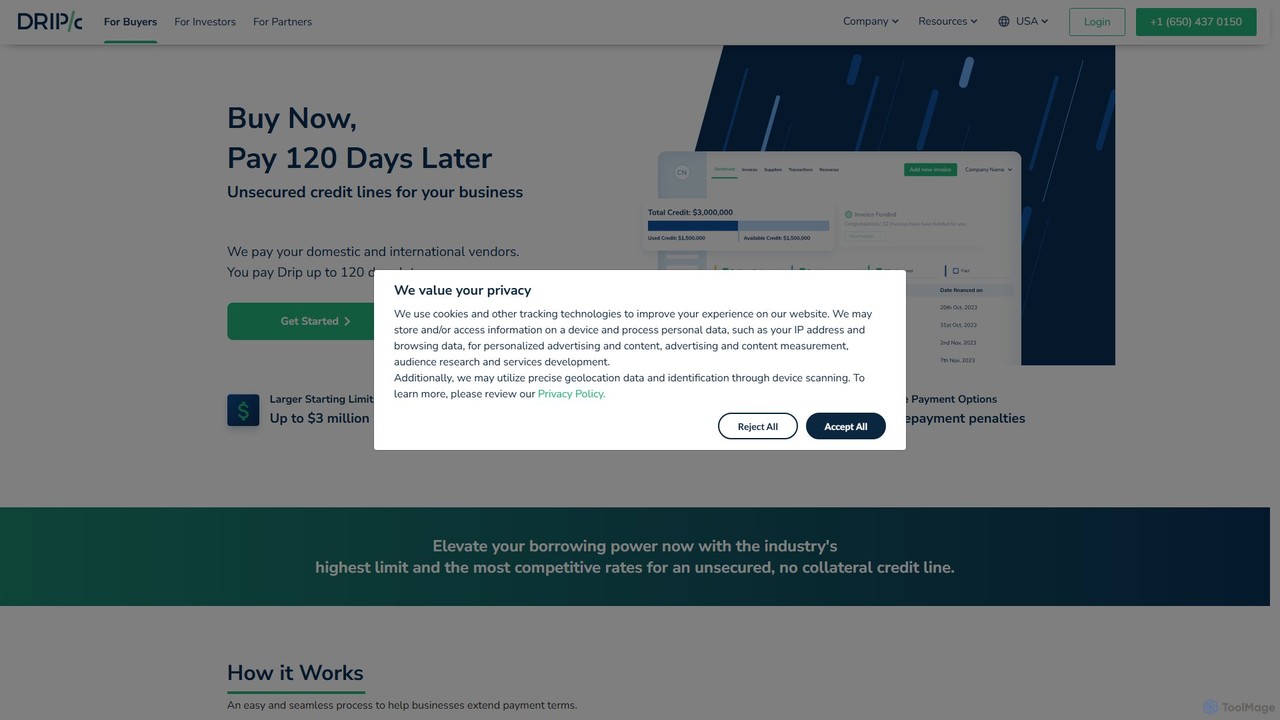
Drip Capital is a FinTech platform that simplifies global trade finance for small and medium-sized businesses. It provides …

157.5K

About Lending

AI Lending tools are a specialized category of fintech software that use machine learning to automate and enhance the entire loan lifecycle. These platforms analyze vast and diverse datasets, including alternative data, to perform credit scoring, underwriting, and fraud detection with high precision. Their primary value lies in enabling financial institutions to make faster, more accurate, and more inclusive lending decisions, significantly reducing manual processing time and credit risk. This technology transforms traditional lending by replacing rigid, rule-based systems with dynamic, data-driven models.

Core Features

  • AI-Powered Credit Scoring: Assesses creditworthiness using traditional and alternative data sources for a more holistic risk profile.
  • Automated Underwriting: Processes loan applications, verifies data, and makes approval decisions in minutes instead of days.
  • Real-time Fraud Detection: Identifies and flags suspicious applications, synthetic identities, and fraudulent transaction patterns instantly.
  • Predictive Analytics: Forecasts loan performance, default probabilities, and optimizes collection strategies based on borrower behavior.
  • Personalized Loan Origination: Automatically customizes loan terms, interest rates, and offers based on an individual's risk assessment.

Use Cases

AI Lending tools are widely adopted by traditional banks, credit unions, online lenders, and fintech startups, including 'Buy Now, Pay Later' (BNPL) providers. They are used to streamline mortgage applications, automate small business loan approvals, and provide instant credit for personal loans, ultimately improving operational efficiency and expanding market access.

How to Choose

When selecting an AI Lending tool, consider its integration capabilities with your existing Loan Management System (LMS) and core banking software. Evaluate the model's transparency and explainability to ensure regulatory compliance (e.g., Fair Lending laws). Also, assess its scalability to handle your loan volume and its flexibility to support different loan products.

LendingUse Cases

1

Automating Small Business Loan Underwriting

A loan officer at a regional bank uses an AI lending platform to process a high volume of small business loan applications. The tool automatically extracts and verifies information from financial documents like tax returns and bank statements. It then analyzes cash flow, debt-to-income ratios, and industry-specific risks to generate a comprehensive risk score and recommendation. This process reduces the underwriting time from several days to under an hour, allowing the bank to serve more small businesses efficiently and reduce operational costs.

2

Instant Credit Decisions for BNPL Services

An e-commerce platform integrates a 'Buy Now, Pay Later' (BNPL) option powered by an AI lending tool. At checkout, the tool performs an instant, soft credit check using alternative data like shopping history and device information. It assesses affordability and fraud risk in real-time, providing an approval or denial within seconds. This seamless process improves the customer experience, increases cart conversion rates for the merchant by over 15%, and allows the BNPL provider to manage risk effectively across millions of micro-transactions.

3

Real-time Fraud Detection in Mortgage Applications

A mortgage lender employs an AI lending tool specifically for fraud detection. As applications are submitted, the AI cross-references applicant data against public records, social media, and internal blacklists. It analyzes submitted documents for signs of forgery and identifies suspicious patterns, such as multiple applications from the same IP address with different names. This system flags high-risk applications for manual review, helping the lender prevent millions in potential losses from fraudulent loans and ensuring compliance with anti-money laundering (AML) regulations.

4

Optimizing Debt Collection Strategies

A collections department manager at a financial institution uses an AI lending tool's collections module. The AI analyzes each debtor's payment history, communication preferences, and behavioral patterns to predict the most effective collection strategy. It recommends the best time and channel (call, SMS, email) to contact each individual and suggests personalized payment plan options. This data-driven approach increases recovery rates by over 20% while improving the customer experience and ensuring compliance with collection regulations.

5

Inclusive Lending for Underserved Populations

A microfinance institution aims to provide loans to individuals with no formal credit history. They use an AI lending platform that specializes in alternative data. The AI model assesses creditworthiness based on factors like mobile phone usage patterns, utility bill payments, and even psychometric data from a short survey. This allows the institution to extend credit to previously 'unscorable' applicants, promoting financial inclusion while maintaining a low default rate by accurately identifying reliable borrowers who are overlooked by traditional systems.

6

Dynamic Pricing for Personal Loans

An online lender uses an AI platform to offer dynamic, risk-based pricing for personal loans. When a potential borrower completes an application, the AI model analyzes over 1,000 data points in real-time, including credit score, income stability, and digital footprint. Based on this comprehensive risk assessment, the system instantly generates a personalized loan offer with a specific interest rate and terms. This allows the lender to competitively price loans, offering lower rates to low-risk applicants and appropriately pricing risk for others, maximizing profitability and market share.

LendingFrequently Asked Questions