Drip Capital
Drip Capital is a FinTech platform that simplifies global trade finance for small and medium-sized businesses. It provides …
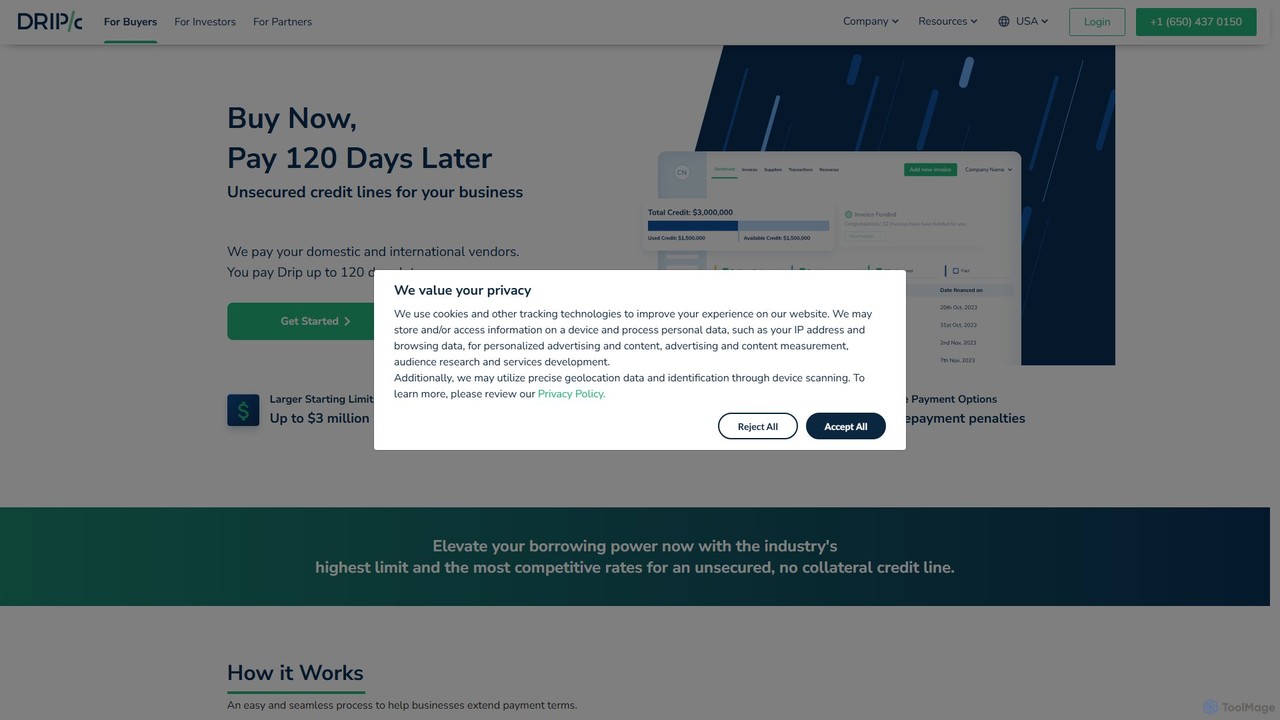
Drip Capital is a FinTech platform that simplifies global trade finance for small and medium-sized businesses. It provides unsecured credit lines, allowing companies to pay their domestic and international suppliers instantly while deferring their own payment for up to 120 days. Leveraging AI for risk assessment and process automation, Drip Capital offers fast, flexible, and collateral-free financing to improve cash flow and unlock business growth.
Tesorio
Tesorio is an AI-powered financial operations platform that automates the entire order-to-cash cycle. It helps finance teams streamline …
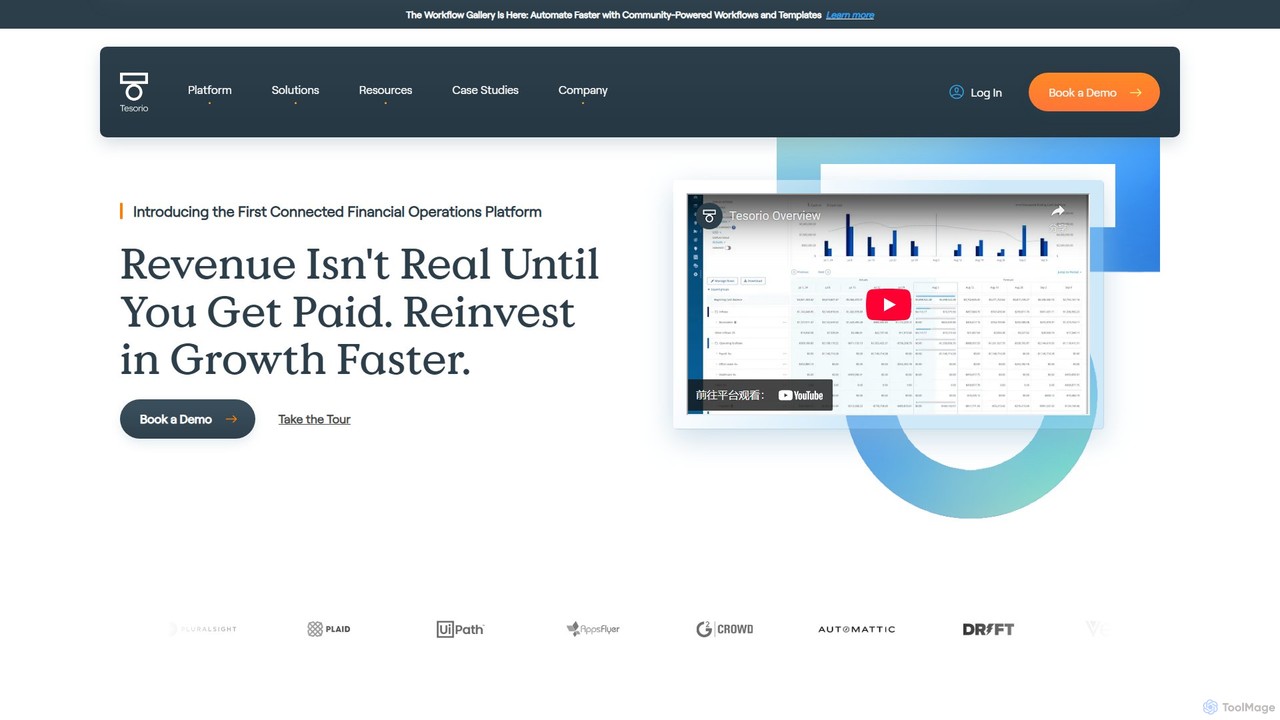
Tesorio is an AI-powered financial operations platform that automates the entire order-to-cash cycle. It helps finance teams streamline accounts receivable (AR), predict cash flow with high accuracy, and significantly reduce Days Sales Outstanding (DSO), ultimately improving working capital and operational efficiency.
About Cash Flow Management
AI Cash Flow Management tools are specialized platforms that use artificial intelligence to automate the monitoring, analysis, and forecasting of a company's liquidity. These tools leverage machine learning algorithms to analyze historical financial data from various sources, identifying patterns to predict future cash inflows and outflows with high accuracy. They provide businesses with a clear, forward-looking view of their financial health, enabling them to proactively manage working capital, prevent cash shortages, and make data-driven strategic decisions. This automated approach offers significant advantages over manual spreadsheets by providing real-time insights and dynamic scenario planning.
Core Features
- Automated Data Aggregation: Connects with bank accounts, accounting software, and ERP systems to centralize financial data automatically.
- AI-Powered Forecasting: Utilizes machine learning to generate precise short-term and long-term cash flow predictions.
- Scenario Modeling: Allows users to simulate the financial impact of potential business decisions, such as new hires or large investments.
- Real-time Dashboards & Alerts: Provides up-to-the-minute visualization of cash positions and sends proactive notifications for potential issues.
- Receivables and Payables Optimization: Analyzes payment cycles to suggest strategies for accelerating collections and managing disbursements.
Use Cases
These tools are particularly valuable for small and medium-sized enterprises (SMEs), high-growth startups, and finance departments within larger corporations. CFOs, financial controllers, and business owners use them to move from reactive financial recording to proactive financial management. Common applications include managing operational expenses, planning for capital expenditures, and demonstrating financial stability to investors or lenders.
How to Choose
When selecting a tool, consider its integration capabilities with your existing accounting software (e.g., Xero, QuickBooks) and banking systems. Evaluate the accuracy and transparency of its AI forecasting models. Assess the platform's scalability to ensure it can support your company's growth. Finally, prioritize a user-friendly interface with customizable reporting features that can be understood by both financial and non-financial stakeholders.
Cash Flow ManagementUse Cases
Proactive Cash Gap Prevention for SMEs
A small business owner connects their bank accounts and accounting software to an AI cash flow management tool. The AI analyzes transaction history and payment cycles, forecasting a potential cash shortfall in six weeks due to a large upcoming supplier payment coinciding with a period of historically slow client payments. The system sends an alert, allowing the owner to proactively secure a short-term credit line or adjust payment terms with the supplier, successfully avoiding a liquidity crisis and maintaining smooth operations.
Optimizing Working Capital for E-commerce
An e-commerce manager uses a cash flow tool to analyze payment cycles from various platforms and gateways. The AI identifies that offering a 2% early payment discount to wholesale clients accelerates cash inflow by an average of 15 days. By implementing this data-backed strategy, the company improves its cash conversion cycle, freeing up working capital to invest in more inventory for peak seasons without relying on external financing.
Scenario Planning for Strategic Investments
A startup founder is considering a major capital expenditure, such as purchasing new equipment or opening a new office. Using the scenario modeling feature, they create a simulation by inputting the projected costs (upfront payment, monthly expenses) and expected revenue increases. The tool visualizes the impact on their cash runway under different growth assumptions (optimistic, realistic, pessimistic). This allows them to make an informed decision on the timing and scale of the investment, ensuring the company's financial stability is not compromised.
Streamlining Financial Reporting for CFOs
A CFO in a mid-sized company uses an AI cash flow tool to automate the generation of weekly cash flow statements and variance analysis reports. Instead of spending hours manually consolidating data from spreadsheets and bank portals, the finance team gets accurate, real-time reports with a single click. This frees up their time to focus on higher-value activities, such as analyzing trends, identifying cost-saving opportunities, and providing strategic financial guidance to the executive team.
Managing Seasonal Cash Flow in Retail
A retail business owner with significant seasonal sales fluctuations uses an AI tool to forecast cash needs for the upcoming holiday season. By analyzing several years of historical sales data, supplier payment terms, and payroll expenses, the AI model accurately predicts the required inventory investment and the expected timing of cash inflows from sales. This forecast allows the owner to secure adequate seasonal financing well in advance and manage staffing levels effectively, ensuring a profitable and stress-free peak season.
Improving Invoice Collection Efficiency
A financial controller implements an AI cash flow tool to optimize the accounts receivable process. The system automatically flags overdue invoices and uses predictive analytics to prioritize follow-ups based on factors like invoice amount, customer payment history, and predicted payment likelihood. It can even suggest optimal communication timing and methods. As a result, the company reduces its average Days Sales Outstanding (DSO) by 20%, significantly improving cash flow without straining customer relationships.