
Finance Best in category 1 results Trade Finance AI Tool

Popular AI tools in the Trade Finance field of Finance include Drip Capital, etc., helping you quickly improve efficiency.

Drip Capital

Drip Capital

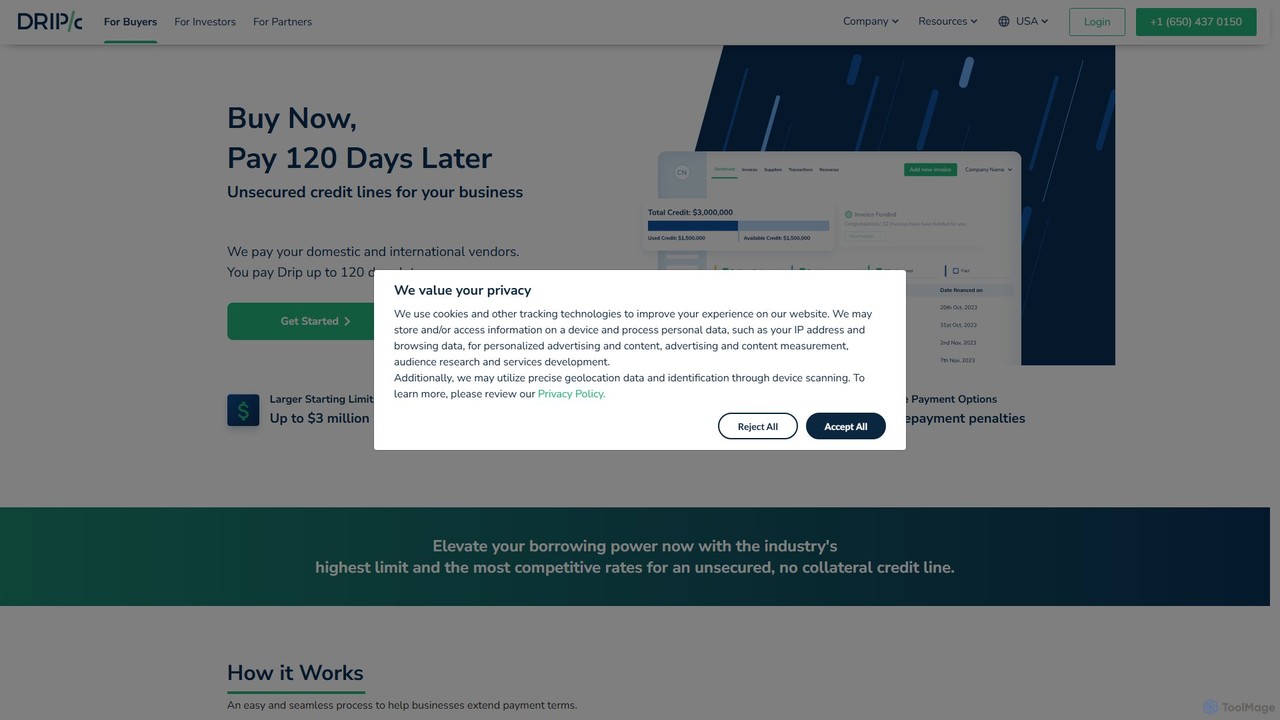
Drip Capital is a FinTech platform that simplifies global trade finance for small and medium-sized businesses. It provides …

158.1K

About Trade Finance

AI Trade Finance tools are specialized platforms that use artificial intelligence to automate and enhance the complex processes of international trade financing. These tools leverage technologies like Optical Character Recognition (OCR) and Natural Language Processing (NLP) to digitize and analyze trade documents such as letters of credit and bills of lading. They streamline operations by reducing manual data entry, detecting fraud, and ensuring compliance with international regulations. This automation accelerates transaction speeds, mitigates risks, and improves capital efficiency for businesses engaged in global commerce.

Core Features

  • Automated Document Analysis: Extracts and verifies data from complex trade documents like invoices, packing lists, and letters of credit to identify discrepancies.
  • Compliance Screening: Automatically screens all parties and goods in a transaction against global sanctions and anti-money laundering (AML) lists.
  • Credit Risk Assessment: Uses AI models to evaluate the creditworthiness of importers and exporters, providing real-time risk scoring.
  • Fraud Detection: Identifies anomalies and suspicious patterns in trade data and documentation to prevent fraudulent activities like duplicate financing.
  • Predictive Analytics: Forecasts potential supply chain disruptions or payment delays based on historical data and global trade trends.

Use Cases

AI Trade Finance tools are primarily used by financial institutions, multinational corporations, and import/export businesses. Banks use them to automate letter of credit processing and compliance checks. Exporters leverage these platforms for invoice financing and to assess buyer risk, while importers use them to manage supply chain finance programs and ensure timely payment to suppliers.

How to Choose

When selecting an AI Trade Finance tool, consider its document processing capabilities and accuracy for your specific trade routes. Evaluate its integration potential with your existing ERP or banking systems. Assess the comprehensiveness of its compliance and risk models, ensuring they cover the relevant jurisdictions. Finally, consider the platform's scalability and pricing structure to align with your business volume and growth.

Trade FinanceUse Cases

1

Automating Letter of Credit (LC) Verification

A trade finance officer at a commercial bank is tasked with verifying dozens of complex LCs daily. Using an AI Trade Finance tool, they upload the LC documents. The AI automatically extracts key data points, cross-references them against international trade rules (like UCP 600), and flags any discrepancies or non-compliant clauses within minutes. This process reduces manual verification time by over 80%, minimizes the risk of human error, and accelerates the approval process for legitimate trade transactions, improving client satisfaction.

2

Real-time Fraud Detection in Invoices

An accounts payable manager at a large import company needs to prevent fraudulent or duplicate invoice payments. They integrate an AI Trade Finance platform with their ERP system. When a new invoice is received, the AI scans it for signs of tampering, verifies the supplier's details against a trusted database, and checks if the invoice has been submitted before across any channel. If a high-risk anomaly is detected, it flags the invoice for manual review, preventing potential losses and strengthening internal financial controls.

3

Dynamic Credit Risk Assessment for Exporters

An export manager for a mid-sized manufacturing firm wants to expand into new markets but is concerned about buyer payment risk. They use an AI Trade Finance tool that provides dynamic credit risk scoring. By inputting the potential buyer's information, the AI analyzes a wide range of data, including payment history, country risk, and industry trends, to generate a real-time creditworthiness score. This allows the manager to make informed decisions on offering credit terms, request upfront payment, or seek trade credit insurance, thus minimizing the risk of non-payment.

4

Optimizing Supply Chain Finance Programs

A treasury manager at a multinational corporation oversees a supply chain finance (SCF) program for hundreds of suppliers. They use an AI platform to automate the process. The tool automatically ingests and approves invoices from their ERP system, then offers early payment options to suppliers based on AI-driven risk assessments. This strengthens supplier relationships by providing liquidity, reduces the administrative burden on the treasury team, and allows the corporation to optimize its working capital by extending payment terms without negatively impacting its supply chain.

5

Automated Compliance Screening for Transactions

A compliance officer at a financial institution is responsible for ensuring that no transactions violate international sanctions. They use an AI-powered tool that automatically screens every party involved in a trade finance deal—including the buyer, seller, shipping vessels, and banks—against hundreds of updated global sanctions and politically exposed persons (PEP) lists. The system provides real-time alerts for potential matches, allowing the officer to investigate efficiently and block illicit transactions, thereby protecting the institution from severe regulatory fines and reputational damage.

6

Predicting Logistics Delays for Trade Finance

A logistics manager at an import-export company uses an AI platform to anticipate disruptions that could impact financing. The tool analyzes real-time data on weather patterns, port congestion, and geopolitical events along their key shipping routes. It then generates predictive alerts for potential delays. This foresight allows the manager to proactively communicate with their bank to adjust financing terms, such as extending the maturity of a letter of credit, thereby avoiding penalties and maintaining good standing with financial partners.

Trade FinanceFrequently Asked Questions