Food & Beverage Best in category 1 results Wine Industry AI Tool

Popular AI tools in the Wine Industry field of Food & Beverage include e_label, etc., helping you quickly improve efficiency.

e_label

e_label

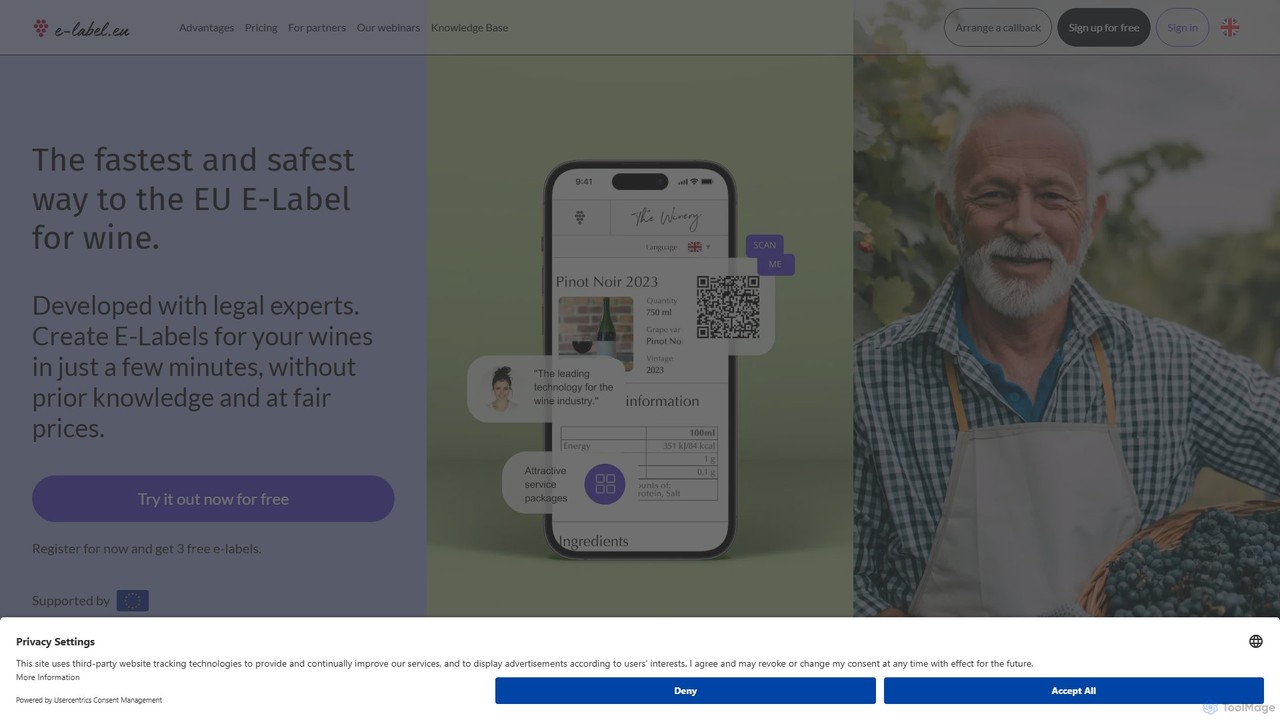
e_label is a specialized platform for wineries to effortlessly create EU-compliant electronic labels. It simplifies adherence to Regulation …

5.5K

About Wine Industry

AI tools for the Wine Industry are specialized applications designed to optimize every stage of wine production and sales, from vineyard management to consumer engagement. These tools leverage machine learning, computer vision, and predictive analytics to interpret complex data related to climate, soil, grape health, and market trends. They provide actionable insights that help improve grape quality, forecast yields, streamline supply chains, and personalize customer experiences. This data-driven approach enables producers to enhance consistency, reduce risks, and increase profitability in a highly competitive market.

Core Features

  • Precision Viticulture: Utilizes sensor, drone, and satellite data to monitor vine health, soil moisture, and pest presence for targeted interventions.
  • Predictive Analytics: Forecasts harvest yields, grape quality, and optimal picking times by analyzing historical and real-time environmental data.
  • Supply Chain & Provenance Tracking: Optimizes logistics from vineyard to retailer and uses technologies like blockchain to ensure wine authenticity.
  • Personalized Recommendation Engines: Analyzes customer taste profiles and purchase history to suggest wines, boosting sales for e-commerce and hospitality.
  • Market Trend Analysis: Scans social media, reviews, and sales data to identify emerging consumer preferences and inform marketing strategies.

Use Cases

These tools are valuable for vineyard managers, oenologists (winemakers), distributors, and wine retailers. For instance, a vineyard manager can use AI-powered image analysis to detect early signs of disease, while an online wine shop can deploy a recommendation engine to increase customer loyalty and average order value. Wineries also use these tools to manage cellar inventory and predict future demand.

How to Choose

When selecting an AI tool for the wine industry, consider its specific focus—viticulture, oenology, or commerce. Evaluate its ability to integrate with your existing systems, such as weather stations, inventory software, or e-commerce platforms. Assess the user interface's intuitiveness for your team (e.g., agronomists vs. marketers) and ensure the platform's scalability matches your production volume, from boutique wineries to large-scale producers.

Wine IndustryUse Cases

1

AI-Powered Vineyard Health Monitoring

A viticulturist responsible for a large vineyard uses an AI platform that processes weekly drone imagery. The system automatically identifies and maps areas showing signs of water stress or early-stage mildew infection, which are often invisible to the naked eye. Instead of manually scouting hundreds of acres, the viticulturist receives a prioritized alert with precise GPS coordinates. This allows for targeted irrigation and treatment, reducing water usage by up to 30% and preventing crop loss, ultimately preserving the quality and yield of the harvest.

2

Optimizing Harvest Timing with Predictive Analytics

A winemaker at a premium winery aims to harvest grapes at their peak phenolic ripeness. They use an AI tool that integrates weather forecast data, soil sensor readings, and historical harvest information for their specific vineyard blocks. The model predicts the optimal harvest window, balancing sugar levels, acidity, and flavor compounds. By following the AI's recommendation, they can schedule harvesting crews more efficiently and produce a wine with a more complex and balanced profile, which commands a higher price in the market.

3

Personalized E-commerce Wine Recommendations

An online wine retailer integrates an AI recommendation engine into their website. The engine analyzes a customer's browsing history, past purchases, and ratings. When a customer views a specific Cabernet Sauvignon, the AI suggests other similar full-bodied reds, a complementary cheese pairing available on the site, and even a premium version from the same region. This personalized shopping experience leads to a 15% increase in average order value and significantly improves customer retention by helping them discover new wines they are likely to enjoy.

4

Automating Cellar Inventory and Demand Forecasting

A restaurant's sommelier uses an AI-powered cellar management system. The tool tracks real-time sales data from the POS system and automatically updates inventory levels. More importantly, it analyzes historical sales trends, seasonality, and upcoming events (like holidays) to forecast demand for specific wines. The system then generates automated reorder suggestions, preventing stockouts of popular bottles and reducing overstock of slow-moving wines. This optimizes cash flow and ensures the wine list is always well-stocked with customer favorites.

5

Analyzing Consumer Trends for Wine Marketing

A winery's marketing team uses an AI platform to analyze thousands of online reviews, social media posts, and articles about wine. The AI identifies emerging trends, such as a growing interest in low-alcohol wines or specific sustainable viticulture practices. It also performs sentiment analysis to gauge public perception of their brand versus competitors. Armed with these insights, the team can tailor their new product development and marketing campaigns to align with consumer preferences, gaining a significant competitive edge.

6

Ensuring Wine Authenticity and Provenance

A fine wine distributor implements an AI and blockchain-based system to combat counterfeiting. Each bottle is given a unique digital identity linked to a secure ledger. At each step of the supply chain—from bottling to shipping to retail—the bottle's status is recorded. The AI component monitors the supply chain for anomalies, such as a bottle appearing in two locations at once or unusual transit times, flagging potential fraud. Consumers can scan a QR code on the bottle to view its entire journey, ensuring they are purchasing an authentic product and increasing trust in the brand.

Wine IndustryFrequently Asked Questions