ToolMage
Sign in

Best 2 Regulatory Tech AI tools for Compliance

Popular Regulatory Tech AI tools in Compliance include e_label and DrugCard, helping you work more efficiently.

DrugCard
Paid

DrugCard

DrugCard is an AI-powered electronic pharmacovigilance system designed for pharmaceutical companies and CROs. It automates the monitoring of scientific literature and other sources to detect adverse drug reactions. By leveraging NLP and machine learning, it streamlines case processing, signal detection, and regulatory reporting, ensuring compliance and enhancing drug safety.

Regulatory Tech
Visits 5.9KFavorites 148Likes 151
e_label
Freemium

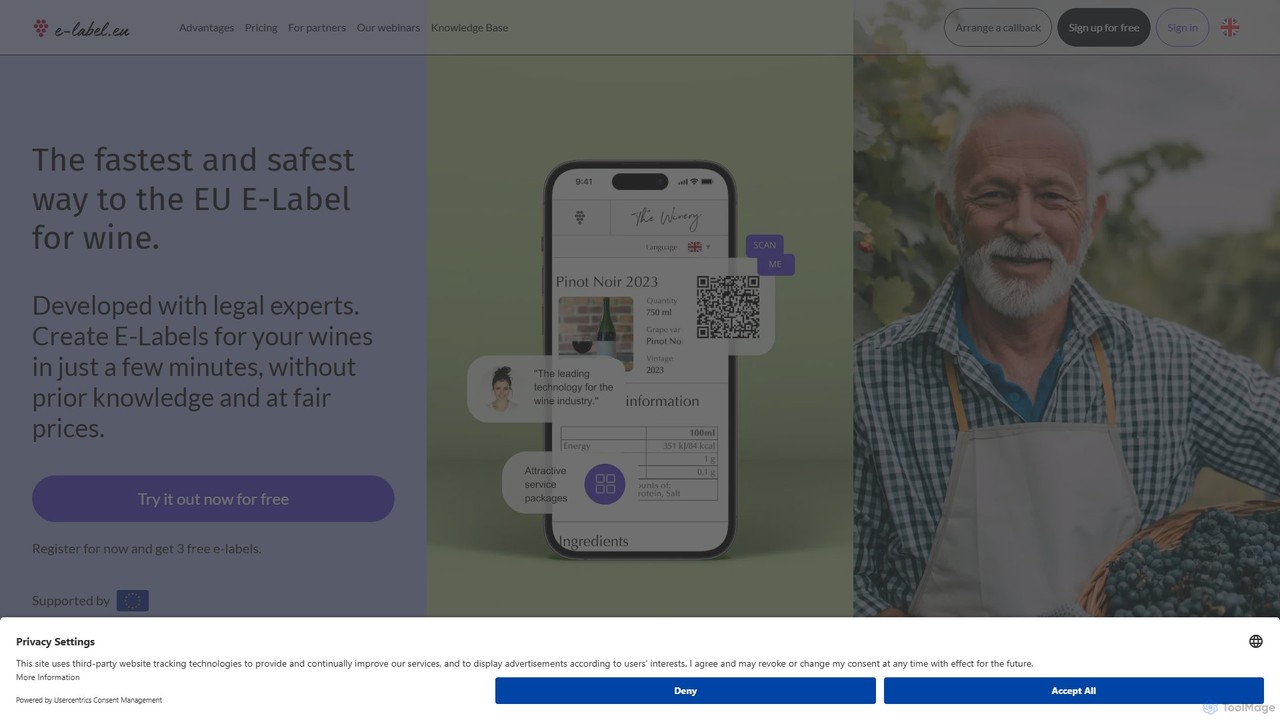
e_label

e_label is a specialized platform for wineries to effortlessly create EU-compliant electronic labels. It simplifies adherence to Regulation (EU) 2021/2117 by generating dynamic QR codes that link to comprehensive nutrition facts, ingredient lists, and recycling information. Developed with legal experts, the tool automates calculations and translations, providing a fast, secure, and cost-effective solution for wine producers to meet new labeling requirements without technical expertise.

Regulatory Tech
Visits 9.8KFavorites 160Likes 160

About Regulatory Tech

Regulatory Tech (RegTech) tools are AI-powered solutions designed to help organizations manage and comply with regulatory requirements more efficiently and effectively. These tools leverage advanced technologies like artificial intelligence, machine learning, and big data analytics to automate compliance processes, monitor regulatory changes, and mitigate risks. By providing real-time insights and automating complex tasks, RegTech enhances accuracy, reduces operational costs, and ensures adherence to intricate legal and industry frameworks within the broader field of Compliance.

Core Features

  • Automated Compliance Monitoring: Continuously tracks regulatory updates and assesses internal adherence to policies and laws.
  • Risk Assessment & Prediction: Identifies potential compliance breaches, analyzes risk exposure, and predicts future regulatory challenges.
  • Automated Reporting & Audit Trails: Generates required regulatory reports and maintains comprehensive, immutable audit records.
  • Identity Verification (KYC/AML): Streamlines customer due diligence processes for anti-money laundering and know-your-customer regulations.
  • Data Governance & Privacy Management: Ensures personal data handling complies with privacy regulations like GDPR and CCPA.

Applicable Scenarios

RegTech is crucial for sectors facing stringent regulations. Financial institutions use it for anti-money laundering (AML) and know-your-customer (KYC) checks, while healthcare providers ensure HIPAA compliance. Any enterprise managing vast amounts of sensitive data benefits from RegTech to automate data privacy compliance and maintain robust audit trails.

How to Choose

When selecting a RegTech solution, consider its regulatory scope to ensure it covers your specific industry and legal frameworks. Evaluate its integration capabilities with your existing IT infrastructure and assess its scalability to handle growing data volumes. Prioritize tools offering comprehensive reporting, robust security features, and reliable vendor support to meet your long-term compliance needs.

Regulatory Tech use cases

1

Automated AML/KYC Compliance

Financial institutions utilize RegTech platforms to automate the verification of customer identities and conduct anti-money laundering checks. This significantly reduces manual processing time, enhances the accuracy of compliance screenings, and ensures adherence to strict financial regulations.

2

Real-time Regulatory Change Monitoring

Legal and compliance departments in various industries deploy RegTech tools to continuously scan global and local regulatory landscapes for new laws, amendments, and guidelines. The tools automatically analyze the impact of these changes, enabling proactive adjustments to internal policies.

3

GDPR/CCPA Data Privacy Management

Enterprises leverage RegTech solutions to map data flows, manage consent, and ensure all personal data processing activities comply with stringent privacy regulations like GDPR and CCPA. This minimizes the risk of data breaches and avoids hefty non-compliance penalties.

4

Internal Policy Adherence Auditing

Large corporations implement RegTech to monitor employee activities, system configurations, and operational procedures against internal policies and codes of conduct. The tools proactively identify deviations and non-compliance issues, facilitating timely corrective actions.

5

ESG Reporting Automation

Companies use RegTech to efficiently collect, analyze, and report on Environmental, Social, and Governance (ESG) data. This ensures accurate and transparent disclosure, helping businesses comply with sustainability reporting standards and meet stakeholder expectations.

6

Contractual Compliance Management

Businesses employ RegTech to analyze complex contracts, identifying specific clauses, obligations, and deadlines. The tools help monitor adherence to contractual terms, automate alerts for upcoming milestones, and prevent potential breaches or opportunities missed.

Regulatory Tech FAQ

What is Regulatory Tech (RegTech)?

Regulatory Tech (RegTech) refers to the use of advanced technologies, primarily AI and machine learning, to enhance regulatory compliance processes. It automates tasks like monitoring regulatory changes, managing risk, and generating reports, making compliance more efficient, accurate, and cost-effective compared to traditional manual methods.

How does RegTech differ from traditional Compliance methods?

Traditional compliance relies heavily on manual processes, human interpretation, and reactive measures, often leading to inefficiencies and higher costs. RegTech, conversely, offers automated, proactive, and data-driven solutions with real-time monitoring, predictive analytics, and integrated systems, significantly reducing human error and accelerating compliance efforts.

What are the key benefits of implementing RegTech solutions?

Implementing RegTech solutions brings several key benefits, including significant cost reduction through automation, improved accuracy by minimizing human error, and enhanced risk management through proactive identification of potential breaches. It also ensures faster adherence to evolving regulations and provides comprehensive, immutable audit trails for greater transparency and accountability.

Which industries benefit most from Regulatory Tech?

Industries with complex and evolving regulatory landscapes benefit most from RegTech. This includes financial services (banking, insurance, asset management) for AML/KYC and market conduct, healthcare for patient data privacy (HIPAA), and any enterprise dealing with extensive data privacy regulations (GDPR, CCPA). Energy, utilities, and manufacturing also leverage RegTech for environmental and operational compliance.

What should I consider when choosing a RegTech platform?

When selecting a RegTech platform, prioritize its regulatory coverage to ensure it aligns with your specific industry and geographical requirements. Evaluate its integration capabilities with your existing IT systems, assess its scalability for future growth, and verify its data security and privacy features. Additionally, consider the platform's reporting and analytics functionalities, along with the vendor's reputation and support services.