ToolMage
Sign in

Best 2 Data Protection AI tools for Compliance

Popular Data Protection AI tools in Compliance include Protego and Verdic, helping you work more efficiently.

Verdic
Freemium

Verdic

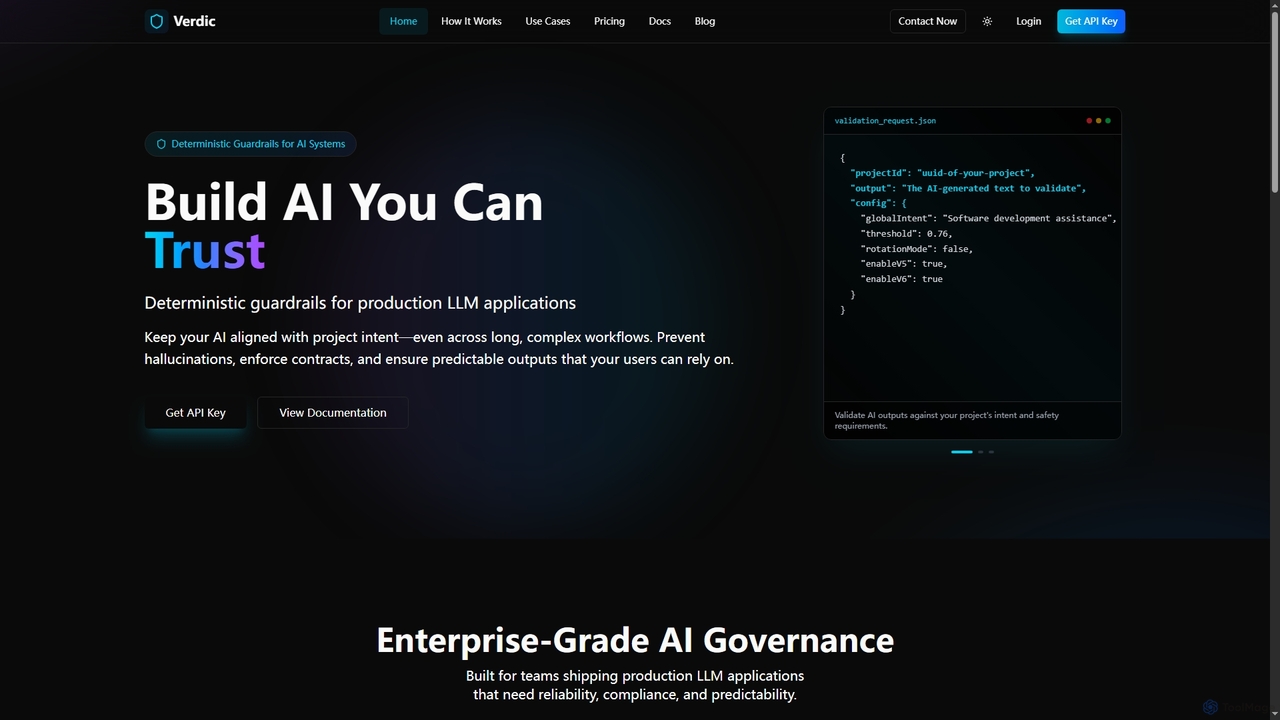
Verdic provides trust infrastructure and deterministic guardrails for production LLM applications, ensuring AI outputs are predictable, safe, and compliant. It prevents hallucinations, enforces contracts, and validates AI-generated content against defined project intent and safety requirements, crucial for reliable deployment in sensitive industries.

Llm Guardrails
Visits 4.2KFavorites 33Likes 40
Protego
Freemium

Protego

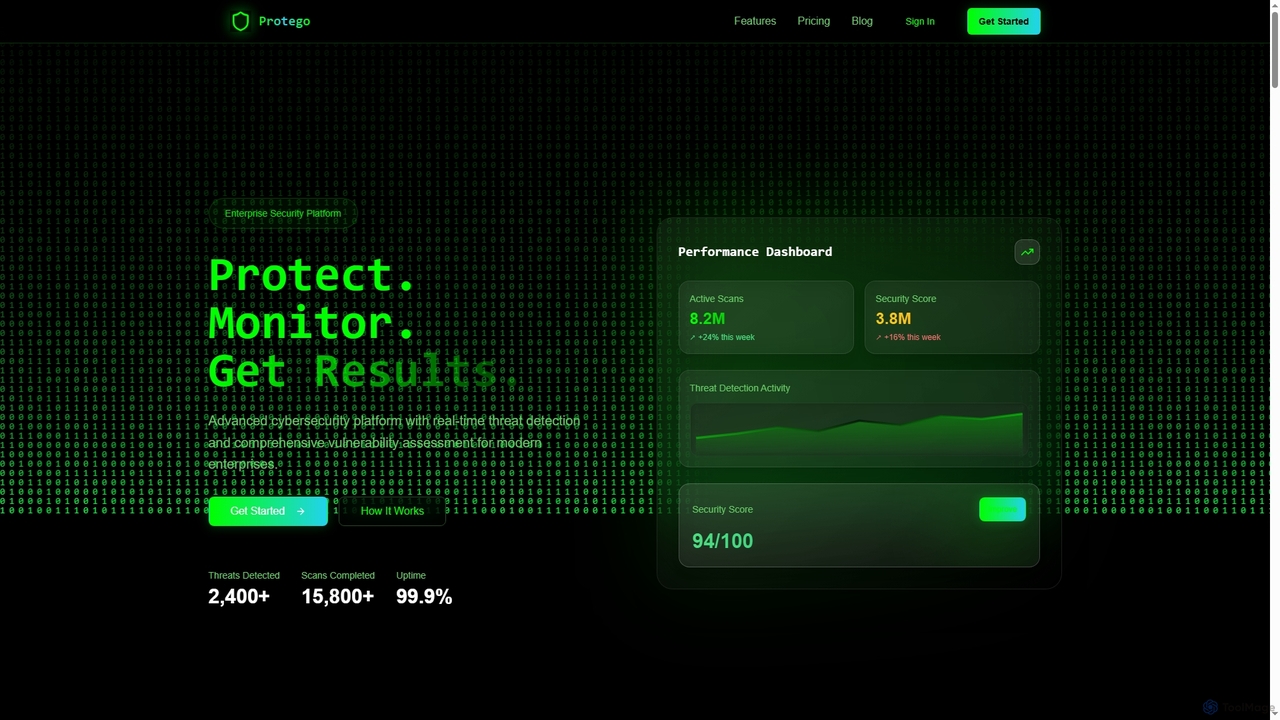
Protego is an advanced AI-powered cybersecurity platform offering real-time threat detection and comprehensive vulnerability assessment for enterprises. It provides continuous monitoring, lightning-fast automated scans, and deep analytics to protect digital assets and ensure compliance.

Data Protection
Visits 4.3KFavorites 123Likes 112

About Data Protection

Data Protection tools are AI-powered solutions specifically designed to safeguard sensitive information and ensure regulatory adherence. These tools leverage advanced machine learning and natural language processing to identify, classify, monitor, and protect data across various environments. They provide essential capabilities for organizations to manage data privacy risks, prevent breaches, and maintain robust compliance with global data protection regulations like GDPR, CCPA, and HIPAA, forming a critical pillar within the broader Compliance landscape.

Core Features

  • Automated Data Discovery: Automatically locate and map sensitive data across cloud, on-premise, and hybrid environments.
  • Data Classification: Intelligently categorize data based on sensitivity, regulatory requirements, and business impact.
  • Anonymization & Pseudonymization: Transform identifiable data into non-identifiable formats while preserving analytical utility.
  • Access Control & Monitoring: Enforce granular access policies and detect unauthorized data access or unusual activity.
  • Breach Detection & Response: Proactively identify potential data breaches and facilitate rapid incident response.

Use Cases

Organizations across all sectors utilize AI Data Protection tools to navigate complex regulatory landscapes and mitigate risks. They are crucial for legal and compliance teams ensuring adherence to privacy laws, IT security personnel safeguarding against cyber threats, and data governance officers maintaining data integrity and accountability.

How to Choose

When selecting AI Data Protection tools, consider the scope of regulatory coverage (e.g., GDPR, CCPA, HIPAA), integration capabilities with existing security and IT infrastructure, the accuracy and adaptability of AI models for data discovery and classification, and the scalability to handle growing data volumes. Evaluate features like real-time monitoring, automated remediation, and comprehensive reporting to meet specific organizational needs.

Featured tool rankings

Data Protection use cases

1

Automating GDPR Compliance for Customer Data

A multinational e-commerce company uses AI Data Protection tools to automatically discover and classify customer Personally Identifiable Information (PII) across its global databases. The tools identify data subject to GDPR, apply appropriate anonymization or deletion policies, and generate audit trails, significantly reducing manual effort and ensuring continuous compliance with data retention and privacy regulations.

2

Securing Healthcare Patient Records in the Cloud

A healthcare provider migrates patient records to a cloud environment and deploys AI Data Protection to monitor access and usage. The AI detects unusual access patterns, flags potential insider threats, and automatically encrypts sensitive health information (PHI) to comply with HIPAA, ensuring patient data confidentiality and integrity while enabling secure data sharing for authorized personnel.

3

Preventing Data Exfiltration in Financial Services

A financial institution implements AI-powered Data Protection to monitor outbound communications and file transfers for sensitive financial data. The system identifies attempts to exfiltrate customer account numbers or proprietary trading strategies, automatically blocks suspicious transfers, and alerts security teams, thereby preventing data loss and maintaining regulatory compliance.

4

Managing Data Privacy for HR Records

A large enterprise utilizes Data Protection AI to manage its extensive HR records, ensuring compliance with various employment privacy laws. The tools automatically classify employee data, enforce role-based access controls, and facilitate secure data deletion upon employee departure, streamlining HR data governance and minimizing privacy risks.

5

Ensuring CCPA Compliance for Consumer Data

A tech startup operating in California employs AI Data Protection to map and manage consumer data collected through its applications. The tools help identify data subject to CCPA requests (e.g., right to know, right to delete), automate data access request fulfillment, and ensure proper consent management, building consumer trust and avoiding hefty fines.

6

Detecting and Responding to Data Breaches Proactively

A cybersecurity firm integrates AI Data Protection into its security operations center to enhance breach detection. The AI continuously analyzes network traffic, user behavior, and data access logs for anomalies indicative of a breach. Upon detection, it triggers automated containment actions and provides detailed forensic data, significantly reducing response times and impact.

Data Protection FAQ

What are AI-powered Data Protection tools?

AI-powered Data Protection tools are software solutions that use artificial intelligence, such as machine learning and natural language processing, to automate and enhance the processes of identifying, classifying, monitoring, and securing sensitive data. They go beyond traditional rule-based systems by intelligently adapting to new threats and data types, making them crucial for modern data privacy and security strategies.

How do AI Data Protection tools enhance compliance?

AI Data Protection tools significantly enhance compliance by automating the discovery and classification of data subject to regulations like GDPR, CCPA, and HIPAA. They enforce data retention policies, manage consent, facilitate data subject access requests, and provide audit trails. By continuously monitoring data access and usage, they help organizations proactively identify and remediate compliance gaps, reducing the risk of penalties.

What are the key features to look for in AI Data Protection tools?

Key features include automated data discovery across diverse environments, intelligent data classification (e.g., PII, PHI, PCI), robust data anonymization and pseudonymization capabilities, real-time monitoring of data access and usage, advanced breach detection and alerting, and comprehensive reporting for audit purposes. Integration with existing security infrastructure and scalability are also critical considerations.

What is the difference between Data Protection and general Cybersecurity tools?

While related, Data Protection tools specifically focus on safeguarding the data itself—its privacy, integrity, and availability—often with a strong emphasis on regulatory compliance (e.g., GDPR, CCPA). General Cybersecurity tools encompass a broader scope, protecting entire systems, networks, and endpoints from various threats, including malware, phishing, and unauthorized access, which may or may not directly involve sensitive data handling. Data Protection is a specialized subset of cybersecurity.

Who benefits most from using AI Data Protection tools?

Organizations handling large volumes of sensitive data, especially those operating in regulated industries like finance, healthcare, and government, benefit most. Roles such as Chief Privacy Officers, Compliance Managers, IT Security Teams, Data Governance Officers, and Legal Counsel find these tools invaluable for automating complex tasks, reducing human error, and ensuring continuous adherence to evolving data privacy laws.