Compliance Best in category 2 results Regulatory Reporting AI Tool

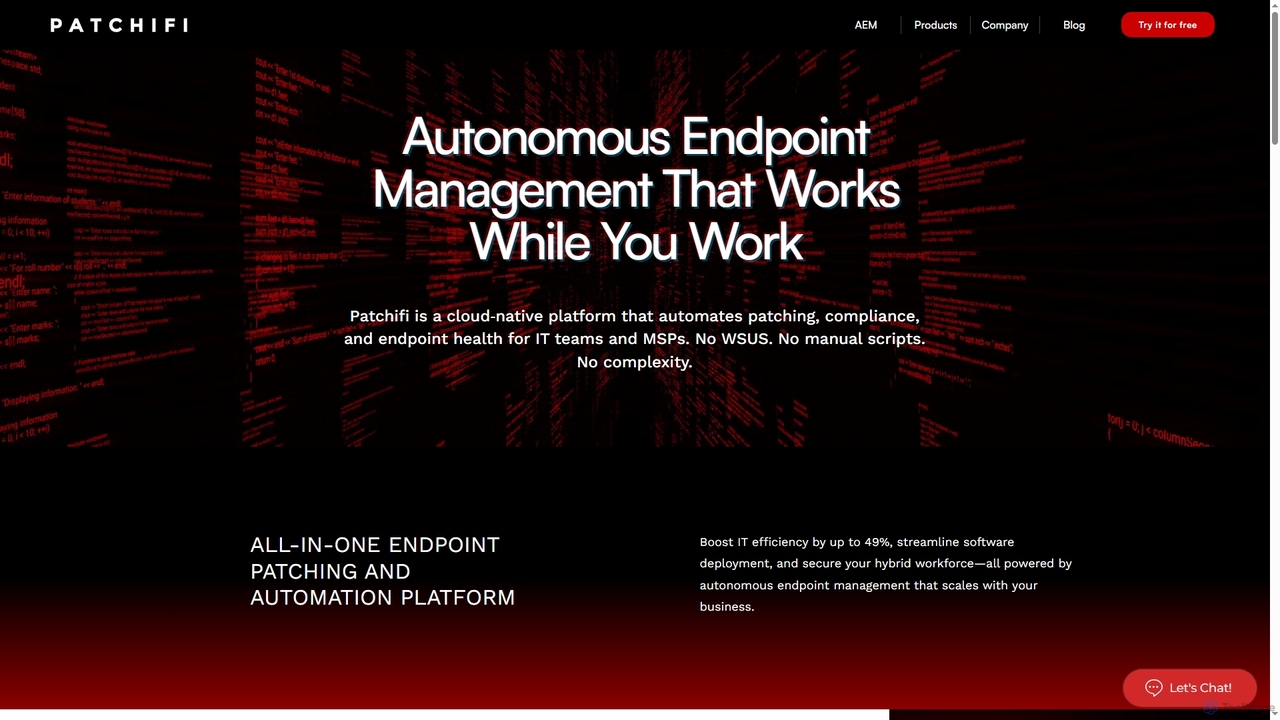
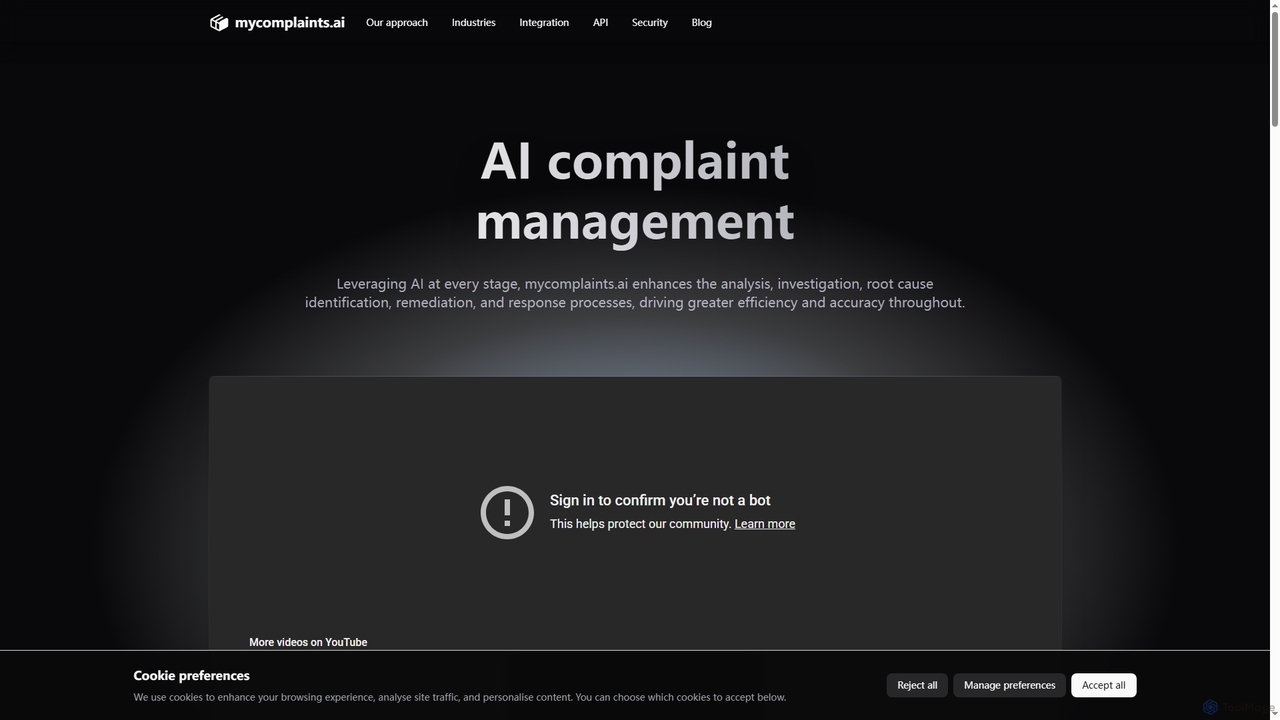
Popular AI tools in the Regulatory Reporting field of Compliance include Patchifi、Mycomplaints, etc., helping you quickly improve efficiency.

Mycomplaints

Mycomplaints

Mycomplaints is an AI-powered complaint management platform designed to enhance efficiency, accuracy, and compliance across the complaint lifecycle. …

3.0K
Patchifi

Patchifi

Patchifi is a cloud-native platform that automates endpoint management, patching, and compliance for IT teams and Managed Service …

5.1K

About Regulatory Reporting

Regulatory Reporting tools are AI-powered platforms that automate the creation, validation, and submission of mandatory reports to regulatory authorities. These tools utilize AI to aggregate data from diverse sources, verify it against complex, ever-changing rules, and format it into precise, compliant templates. This process significantly reduces manual errors, mitigates the risk of non-compliance penalties, and ensures organizations can adapt quickly to new legislative demands. They often employ machine learning to detect anomalies and Natural Language Processing (NLP) to interpret regulatory updates, making compliance more proactive and efficient.

Core Features

  • Data Aggregation Engine: Automatically collects and consolidates required data from various internal systems like ERPs, CRMs, and databases.
  • Automated Validation Rules: Applies thousands of pre-built and customizable rules to ensure data accuracy and completeness against specific regulations.
  • Template Management: Maintains an up-to-date library of reporting templates required by different regulatory bodies (e.g., SEC, ESMA, FINRA).
  • Submission & Audit Trail: Manages the electronic submission process and creates a detailed, immutable audit trail for every report.

Applicable Scenarios

These tools are critical in highly regulated industries. For instance, financial institutions use them for capital adequacy (Basel III) and transaction reporting (MiFID II). Healthcare and life sciences companies rely on them for clinical trial data and adverse event reporting to bodies like the FDA. The energy sector also uses them for environmental, social, and governance (ESG) disclosures.

Selection Criteria

When choosing a Regulatory Reporting tool, consider its specific regulatory coverage and jurisdiction support. Evaluate its data integration capabilities with your existing systems. Assess the flexibility of its validation rule engine for customization. Finally, prioritize solutions with robust data security protocols and comprehensive, easily accessible audit trails to ensure full transparency.

Regulatory ReportingUse Cases

1

Automating Financial Regulatory Filings

A compliance officer at an investment bank is responsible for submitting quarterly MiFID II transaction reports. Instead of manually exporting data from multiple trading systems and validating it in spreadsheets, they use an AI Regulatory Reporting tool. The tool automatically connects to the trading platforms, aggregates all relevant transaction data, and runs it through a validation engine pre-configured with MiFID II rules. It flags any inconsistencies for review and then generates the report in the required XML format for direct submission to the regulator, reducing the entire process from two weeks to just a few hours and minimizing error risk.

2

Streamlining ESG Reporting for Stakeholders

A sustainability manager at a multinational corporation needs to compile an annual Environmental, Social, and Governance (ESG) report. The required data is scattered across HR, operations, and finance departments. An AI reporting tool integrates with these disparate systems to pull metrics like carbon emissions, employee diversity statistics, and board governance data. The AI then maps this data to multiple reporting frameworks (like GRI and SASB) simultaneously, generates visualizations, and drafts narrative sections. This automates a complex data collection and alignment process, ensuring consistency and allowing the manager to focus on strategy rather than data wrangling.

3

Managing Clinical Trial Reporting to Health Authorities

A clinical research organization (CRO) manages multiple drug trials simultaneously. They are required to submit regular safety and progress reports to health authorities like the FDA and EMA. A regulatory reporting platform automates this by pulling standardized data directly from Electronic Data Capture (EDC) systems at various trial sites. The tool validates the data for completeness and adherence to submission standards (e.g., CDISC). It then auto-populates the required report templates, tracks submission deadlines for different trials and regions, and maintains a secure, auditable archive of all submitted documents, ensuring compliance and data integrity.

4

Automating Suspicious Activity Reports (SARs) for AML

A financial crime analyst at a bank identifies a series of transactions that meet the criteria for a Suspicious Activity Report (SAR). Using a regulatory reporting tool, the analyst can streamline the filing process. The tool integrates with the bank's transaction monitoring system and automatically populates the SAR form with customer details, transaction histories, and flagged activities. The AI component can even help draft the narrative summary by identifying key patterns and connections. This reduces the time spent on manual data entry, ensures all required fields are completed accurately, and provides a standardized workflow for submitting SARs to financial intelligence units like FinCEN.

5

Generating Insurance Solvency II Reports

A risk management team at an insurance company must prepare quarterly Quantitative Reporting Templates (QRTs) under the Solvency II directive. This involves complex calculations of capital requirements and risk assessments. A specialized regulatory reporting tool automates these calculations by pulling data from actuarial models, investment portfolios, and policy administration systems. It generates the dozens of required QRTs in the specified XBRL format, validates them against the EIOPA taxonomy, and prepares them for submission. This automation not only saves significant time but also improves the accuracy of complex risk calculations, reducing the likelihood of regulatory scrutiny.

6

Automating Cross-Border Tax Compliance Reporting

A corporate tax department for a global e-commerce company manages tax obligations in over 50 countries. Each jurisdiction has unique VAT/GST reporting requirements and deadlines. A regulatory reporting tool automates this by integrating with their central accounting system. It applies the correct tax rules for each country to the transaction data, calculates the tax liabilities, and auto-populates the specific local tax forms. The platform's dashboard provides a global view of all upcoming deadlines and submission statuses, transforming a high-risk, manual process into a streamlined and auditable compliance function.

Regulatory ReportingFrequently Asked Questions