Compliance Best in category 2 results Data Governance AI Tool

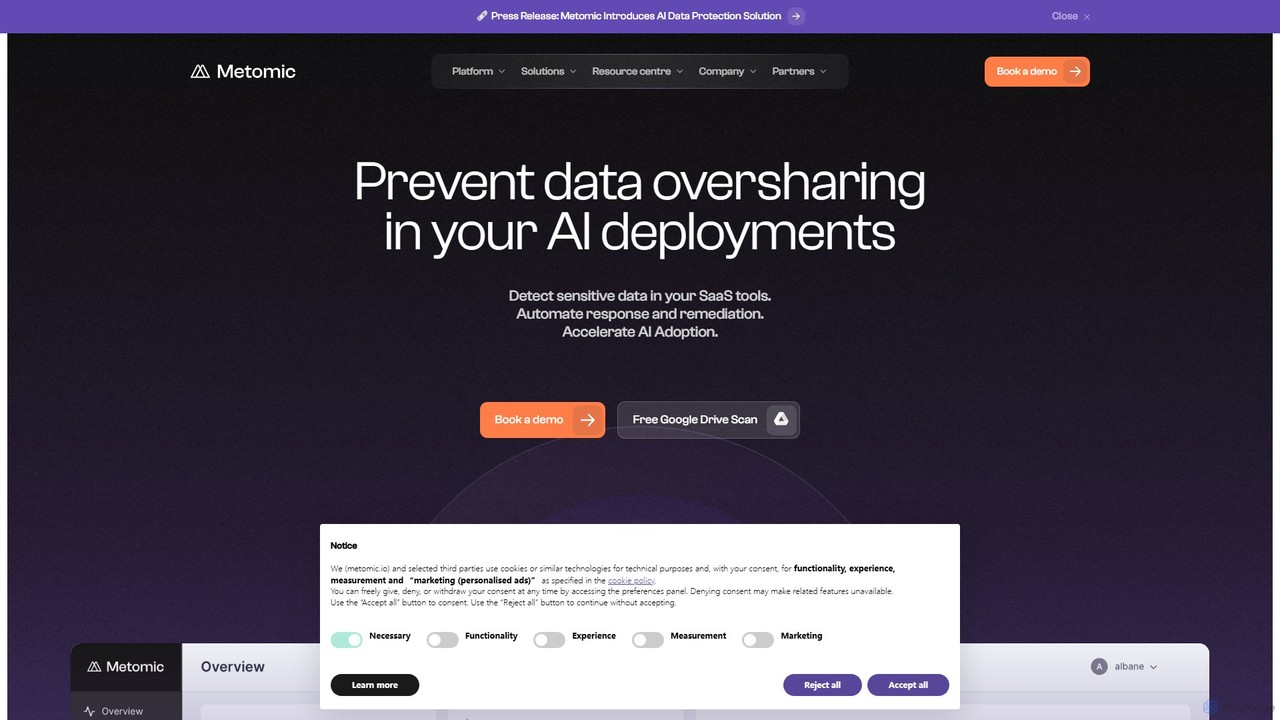
Popular AI tools in the Data Governance field of Compliance include Metomic、BeyondGuard, etc., helping you quickly improve efficiency.

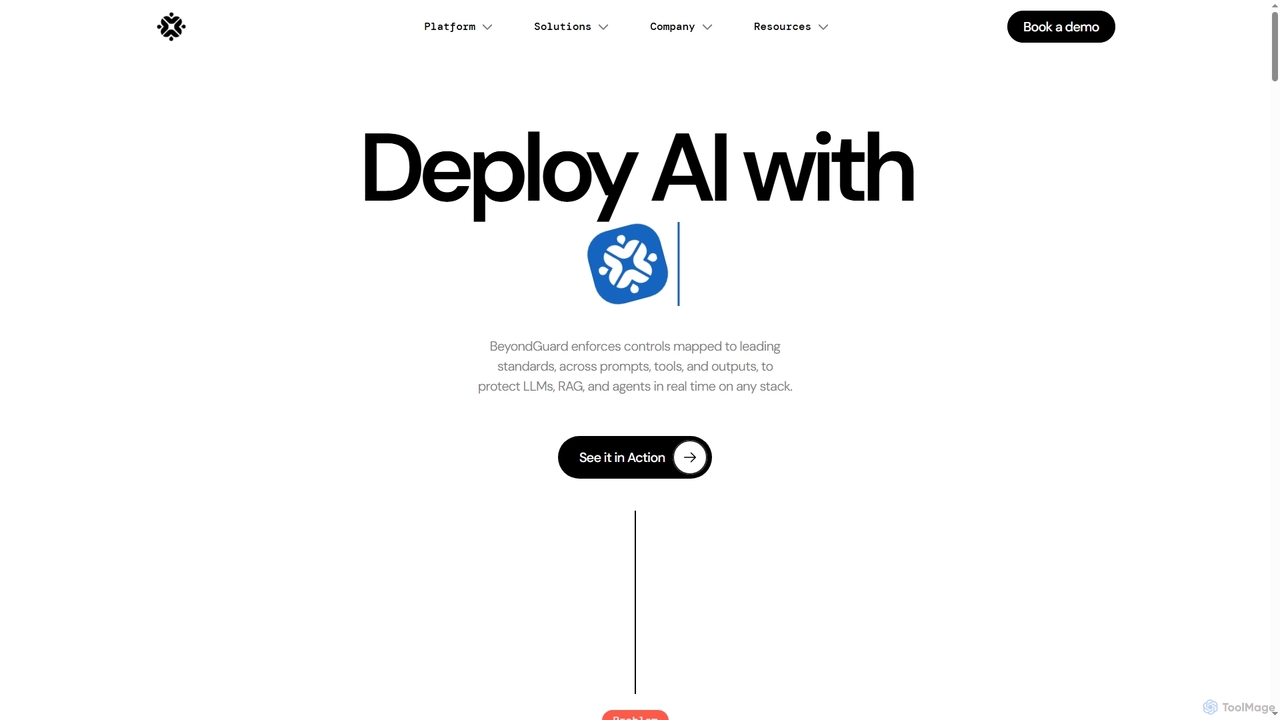
BeyondGuard

BeyondGuard

BeyondGuard is an enterprise AI security platform providing real-time threat blocking, low-code policy control, and unified risk visibility …

4.0K
Metomic

Metomic

Metomic is an AI-powered data security platform for SaaS, GenAI, and cloud environments. It automatically detects and protects …

37.9K

About Data Governance

Data Governance tools are a class of software designed to establish and enforce policies for managing an organization's data assets. They utilize AI to automate data discovery, classification, and quality monitoring, ensuring data is accurate, secure, and compliant. This framework provides a single source of truth, enabling reliable analytics and decision-making while mitigating risks. As a key component of a broader compliance strategy, these tools provide the foundational control over the data itself.

Core Features

  • Automated Data Catalog: Scans and inventories all data assets, enriching them with business context and metadata.
  • Data Lineage Tracking: Visually maps the flow of data from its origin to its destination, showing all transformations.
  • Data Quality Management: Defines and monitors rules to ensure data accuracy, completeness, and consistency.
  • Policy and Access Control: Manages access controls and usage policies based on data classification and user roles.

Use Cases

These tools are crucial in data-intensive industries like finance, healthcare, and retail to meet regulatory requirements such as GDPR, HIPAA, and CCPA. Data stewards, compliance officers, and data analysts use them to build trust in data, enable self-service analytics, and ensure responsible data use across the enterprise.

How to Choose

Evaluate a tool's connectivity to your existing data sources (e.g., cloud data warehouses, SaaS applications). Consider the level of AI-powered automation for tasks like data classification and lineage mapping. Assess collaboration features for both technical and business users, and ensure the platform can scale with your data volume.

Data GovernanceUse Cases

1

Ensuring Regulatory Compliance (GDPR/CCPA)

A compliance officer at a multinational bank is tasked with demonstrating GDPR compliance. They use a Data Governance tool to automatically scan all systems and discover where personally identifiable information (PII) is stored. The tool classifies this data, applies retention policies, and tracks its lineage to monitor all usage. This creates an auditable trail, allowing the bank to respond to data subject access requests (DSARs) efficiently and prove that data handling practices adhere to regulations.

2

Building a Trusted Analytics Foundation

An analytics team at an e-commerce company struggles with inconsistent reporting due to different departments using varied data definitions. A data steward implements a Data Governance tool to create a centralized business glossary and data catalog. Key metrics like 'customer lifetime value' are formally defined and certified. Now, analysts across the company can easily find, understand, and trust the data they use, leading to more accurate insights and consistent business intelligence dashboards.

3

Enabling Safe Data Democratization

A large enterprise wants to empower its business users with self-service data access without creating security risks. Using a Data Governance platform, the data team sets up role-based access controls tied to data sensitivity classifications. A marketing manager can now independently query customer data for campaign analysis, but is automatically prevented from accessing sensitive fields like payment information. This balances data accessibility with robust security and privacy protection.

4

Governing AI and Machine Learning Models

A data science team developing a credit scoring model needs to ensure fairness and reproducibility. They use a Data Governance tool to catalog the datasets used for training and validation. The tool's data lineage feature tracks every transformation applied to the data, creating a clear audit trail for the model's logic. This helps the team explain the model's predictions to regulators and monitor for data drift that could introduce bias over time.

5

Streamlining Cloud Data Migration

A healthcare provider is migrating its on-premise data warehouse to a cloud platform. The IT team uses a Data Governance tool to first discover and classify all data, paying special attention to protected health information (PHI). This allows them to apply the correct encryption and access policies before and during the migration. The tool's lineage capabilities help validate that data has been moved correctly and securely, ensuring a compliant and successful transition to the cloud.

6

Implementing Master Data Management (MDM)

A global manufacturing company has inconsistent product information across its ERP, CRM, and e-commerce systems. A data architect uses a Data Governance tool to support their MDM initiative. The tool helps identify and profile all sources of product data, define data quality rules for standardization, and establish a stewardship workflow for resolving conflicts. This results in a single, authoritative 'golden record' for each product, improving supply chain efficiency and customer experience.

Data GovernanceFrequently Asked Questions