Best of the Year 3 results Food & Cooking AI Tools

Popular AI tools in the Food & Cooking field include TasteOS、Parsely、CookMate AI, etc., helping you quickly improve efficiency.

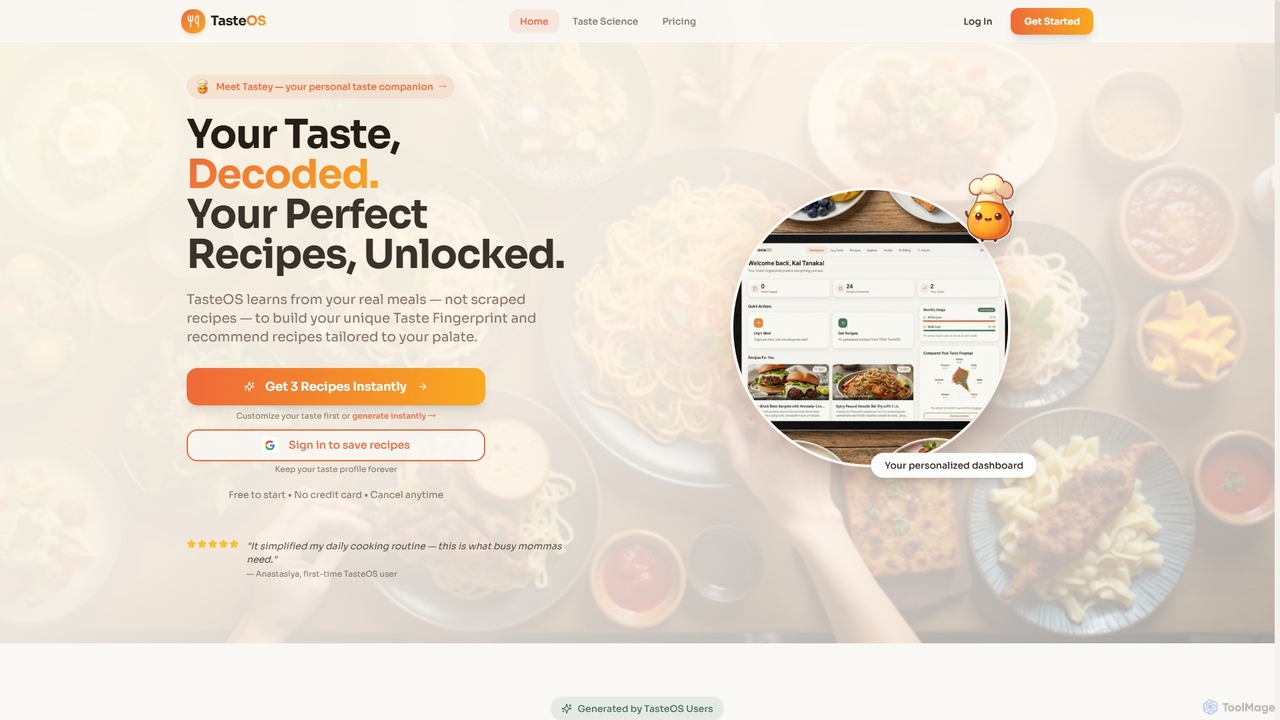
TasteOS

TasteOS

TasteOS is a personalized AI recipe generator that decodes your unique taste profile by learning from your real …

4.7K
Parsely

Parsely

Parsely is an online tool designed to simplify recipe management by allowing users to parse recipes from various …

2.8K
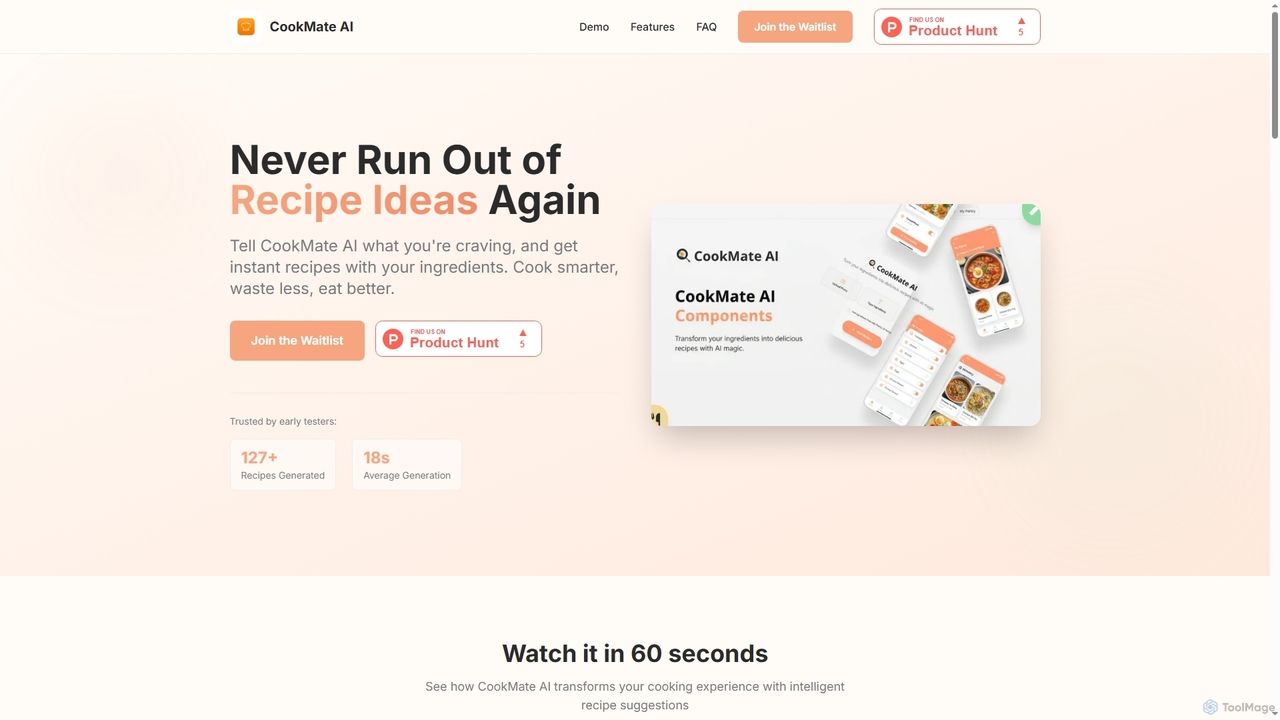
CookMate AI

CookMate AI

CookMate AI is an intelligent platform that provides personalized recipe suggestions based on your cravings, available ingredients, and …

2.8K

About Food & Cooking

AI Food & Cooking tools are applications that leverage artificial intelligence to enhance the culinary experience, from meal planning to the final dish. These tools utilize machine learning algorithms and vast food databases to generate recipes, analyze nutritional information, and create personalized meal plans. They serve as intelligent kitchen assistants, helping users discover new flavors, manage dietary restrictions, reduce food waste, and improve their cooking skills. The technology can range from simple recipe suggestion engines to complex systems that integrate with smart kitchen appliances.

Core Features

  • Recipe Generation: Creates novel recipes based on available ingredients, dietary preferences, cuisine style, and desired complexity.
  • Personalized Meal Planning: Develops customized weekly or monthly meal plans that align with health goals, allergies, and taste profiles.
  • Nutritional Analysis: Calculates detailed nutritional information, including calories, macronutrients, and vitamins, for any ingredient or dish.
  • Ingredient Recognition: Uses computer vision to identify foods from a photo or video, then suggests relevant recipes.
  • Interactive Cooking Guidance: Provides step-by-step instructions, often with timers and voice commands, to guide users through the cooking process.

Use Cases

These tools are valuable for home cooks seeking daily inspiration, individuals managing specific health conditions like diabetes or celiac disease, and fitness enthusiasts tracking their nutritional intake. Professional chefs also use them for menu development and culinary experimentation, while food bloggers can generate unique content more efficiently.

How to Choose

When selecting an AI Food & Cooking tool, consider the depth of its recipe database and the accuracy of its nutritional data. Evaluate the level of personalization available for dietary restrictions. A user-friendly interface is crucial for a smooth cooking experience. Also, check for potential integrations with grocery delivery services or smart kitchen devices to streamline your workflow.

Food & CookingUse Cases

1

Personalized Weekly Meal Planning

A busy professional with a gluten intolerance wants to maintain a healthy diet without spending hours searching for recipes. They use an AI cooking tool to set their dietary profile, including gluten-free, low-carb preferences, and a goal of 2000 calories per day. The AI instantly generates a complete 7-day meal plan with diverse and appealing recipes for breakfast, lunch, and dinner. It also creates an organized grocery list, which can be sent directly to a delivery service, saving significant time and ensuring strict dietary adherence.

2

Creative Recipe Generation from Leftovers

To combat food waste, a home cook wants to use up ingredients before they spoil. They open their fridge and find leftover roasted chicken, half a bell pepper, and some onions. Instead of searching for recipes that might not match, they take a photo of the ingredients using an AI app. The app's computer vision identifies the items and instantly suggests three creative recipes: 'Quick Chicken Fajitas,' 'Savory Chicken Stir-fry,' and 'Spicy Chicken Skewers.' This provides immediate inspiration and helps the user make a delicious meal while minimizing waste.

3

Nutritional Tracking for Fitness Goals

An athlete is training for a marathon and needs to strictly monitor their macronutrient intake—specifically protein, carbohydrates, and fats. They use an AI cooking app to log every meal. By simply entering the dish name, like 'oatmeal with berries and nuts,' or scanning a barcode, the AI accurately calculates the nutritional breakdown. The app visualizes daily and weekly totals, comparing them against the athlete's pre-set targets. This allows for precise dietary adjustments to optimize performance and recovery without manual calculation.

4

Developing a New Restaurant Menu

A chef wants to create an innovative fusion menu for their new restaurant, blending Japanese and Mexican cuisines. They use an advanced AI tool, inputting key ingredients like 'yuzu,' 'miso,' 'avocado,' and 'chili.' The AI analyzes vast datasets of flavor pairings, culinary techniques, and existing recipes to generate unique dish concepts. It might suggest 'Miso-Glazed Carnitas Tacos with Yuzu-Avocado Crema' or 'Tuna Sashimi Tostadas with a Chili-Miso Vinaigrette.' This accelerates the creative process, providing the chef with a foundation of novel ideas to test and refine.

5

Adapting Recipes for Dietary Allergies

A parent is planning a birthday party for their child, who has a friend with a severe dairy allergy. They want to make a classic chocolate cake but need to ensure it's safe. Using an AI recipe tool, they input the standard recipe. They then select the 'dairy-free' modification option. The AI analyzes the recipe and suggests specific, tested substitutions, such as replacing cow's milk with almond milk, butter with a plant-based alternative, and using dairy-free chocolate chips. It may also adjust baking times or temperatures to account for these changes, ensuring a successful and safe result.

6

AI-Powered Interactive Cooking Guidance

A novice cook decides to tackle a complex dish like Beef Wellington for the first time. They use a smart cooking app that provides interactive, step-by-step guidance. The app displays video clips for each step, from preparing the duxelles to wrapping the pastry. It features voice commands, allowing the user to say 'next step' without touching their device with messy hands. The app also sets automatic timers for each stage, such as searing the beef and baking, ensuring perfect timing and helping the user build confidence in the kitchen while achieving a professional-quality result.

Food & CookingFrequently Asked Questions