
ToolMage
Sign in

Best 1 Proposal Generation AI tools for Freelance

Popular Proposal Generation AI tools in Freelance include Logiclister, helping you work more efficiently.

Logiclister
Freemium

Logiclister

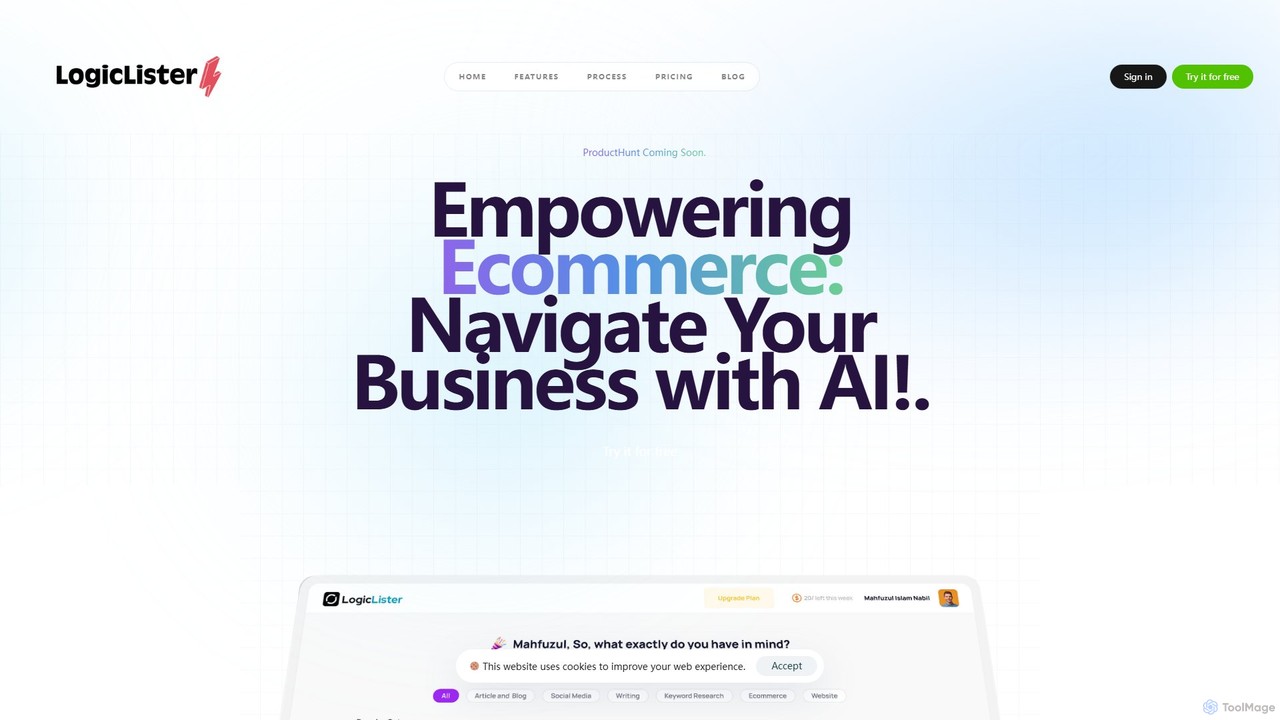
Logiclister is an all-in-one AI-powered suite with over 50 tools designed to empower e-commerce businesses, freelancers, and marketers. It streamlines content creation for product descriptions, blog posts, social media, ad copy, and freelance proposals on platforms like Upwork and Fiverr. The platform also includes an AI image generator, voiceover tools, and SEO features to boost productivity and sales.

Proposal Generation
Visits 4.3KFavorites 115Likes 106

About Proposal Generation

Proposal Generation tools are AI-powered applications designed to automate and streamline the creation of professional business proposals. These tools leverage natural language processing (NLP) and pre-trained templates to analyze project requirements, generate persuasive text, and structure documents effectively. They are particularly valuable for freelancers, sales teams, and agencies, helping them respond to RFPs and client inquiries faster and with greater consistency. By handling repetitive writing tasks, these platforms allow users to focus on strategic customization and client-specific details.

Core Features

  • AI Content Generation: Automatically drafts sections like executive summaries, scope of work, and case studies based on minimal user input.
  • Smart Templates: Provides a library of industry-specific, customizable templates that ensure professional formatting and structure.
  • Data Integration: Connects with CRM systems to auto-populate client details, personalizing proposals at scale.
  • Proposal Analytics: Tracks when a proposal is opened, how much time is spent on each section, and when it is signed.
  • Interactive Pricing Tables: Allows clients to select optional services or packages directly within the proposal, updating the total price in real-time.

Use Cases

These tools are essential for professionals in roles that require frequent client acquisition and project bidding. This includes freelance developers and designers, B2B sales teams, marketing agencies responding to RFPs, and consulting firms outlining project engagements. They help standardize the proposal process, maintain brand consistency, and significantly reduce the time spent on administrative tasks.

How to Choose

When selecting a Proposal Generation tool, consider the quality and relevance of its AI-generated content for your industry. Evaluate its integration capabilities with your existing CRM and project management software. Assess the level of template customization and branding options available. Finally, consider whether you need advanced features like engagement analytics and interactive pricing to optimize your sales funnel.

Featured tool rankings

Proposal Generation use cases

1

Rapid RFP Response for Marketing Agencies

A business development manager at a digital marketing agency often faces tight deadlines to respond to multiple complex Requests for Proposals (RFPs) each week. Using an AI proposal generator, they can upload the RFP document, and the tool automatically parses key requirements. It then generates a comprehensive first draft, including a relevant executive summary, scope of services, team biographies, and case studies. The manager then focuses their time on refining the strategy and personalizing the value proposition. This process reduces the proposal creation time from over 8 hours to under 2 hours, significantly increasing the agency's capacity to bid for new projects.

2

Creating Personalized Proposals for Freelancers

A freelance web developer juggles multiple client projects and needs an efficient way to create professional proposals to win new work. They use an AI proposal tool with pre-built templates for web development projects. By inputting key client details, project scope, and desired timeline, the AI generates a structured proposal. It includes sections for project phases, deliverables, technology stack, and tiered pricing options (e.g., Basic, Pro, Enterprise). This allows the developer to send a polished, error-free, and customized proposal in under 30 minutes, enhancing their professional image and improving their client conversion rate.

3

Standardizing Sales Quotes for B2B SaaS

A sales team lead at a B2B SaaS company needs to ensure brand consistency and accuracy across all proposals sent by their reps. They implement an AI proposal generation tool and create a set of master templates with pre-approved branding, legal terms, and product descriptions. Sales reps can then quickly generate a new proposal, and the tool integrates with their CRM to auto-fill customer data. They can add specific products and services from a predefined library, preventing pricing errors. The lead can also track the team's proposal pipeline and view analytics on which proposals are most effective, leading to a more streamlined and data-driven sales process.

4

Generating Grant Proposals for Non-Profits

A grant writer for a non-profit organization is tasked with applying for multiple funding opportunities, each with unique guidelines and requirements. Using an AI proposal tool, they create a central repository of reusable content blocks, such as the organization's mission statement, program descriptions, and budgets. When a new grant opportunity arises, the AI assists in structuring the proposal according to the funder's specific format. It helps draft sections like the statement of need and project outcomes by analyzing similar successful proposals. This accelerates the writing process, improves the quality and consistency of applications, and allows the organization to apply for more grants, increasing their funding potential.

5

Crafting Consulting Project Outlines

A management consultant needs to quickly convert notes from a client discovery call into a formal project proposal. They use an AI proposal tool to structure their thoughts. By inputting the client's challenges, desired outcomes, and key discussion points, the AI suggests a logical proposal flow. It generates sections for 'Understanding the Challenge,' 'Proposed Approach,' 'Project Phases & Timeline,' and 'Investment.' The consultant can then easily edit and refine the AI-generated text, adding their unique strategic insights. This transforms raw notes into a client-ready document in a fraction of the time, demonstrating professionalism and a clear understanding of the client's needs from the very first interaction.

6

Automating Real Estate Bids and Offers

In a competitive real estate market, an agent needs to prepare and submit offers for clients quickly and accurately. They use a proposal generation tool integrated with their MLS data feed. When preparing an offer, the tool automatically populates the property details, legal descriptions, and client information into a standardized offer template. The agent can then easily adjust the offer price, contingencies, and closing dates. The platform also facilitates e-signatures, allowing clients to review and sign the offer on their mobile devices. This automation drastically reduces manual data entry, minimizes the risk of errors, and enables the agent to submit compelling offers faster than the competition.

Proposal Generation FAQ

What are AI Proposal Generation tools?

AI Proposal Generation tools are software applications that use artificial intelligence to automate the creation of business proposals, quotes, and contracts. They go beyond simple templates by using natural language processing (NLP) to generate relevant text, structure documents logically, and personalize content based on client data. Key features often include AI-powered writing assistance, integration with CRM systems, and analytics to track proposal engagement. These tools are designed to help sales teams, freelancers, and agencies create professional, consistent, and persuasive proposals more efficiently.

How do AI proposal tools differ from standard document editors?

Standard document editors like Microsoft Word or Google Docs provide a blank canvas for manual creation. AI proposal tools, however, are purpose-built for the sales workflow. Their key differentiators are:

  • Intelligent Automation: They actively suggest and generate content, rather than just formatting text you write.
  • Structured Workflow: They use templates and content libraries to guide users through creating a persuasive proposal structure.
  • Data Integration: They connect to CRMs to pull in client data, ensuring accuracy and personalization without manual entry.
  • Analytics: They provide insights into client engagement (e.g., views, time spent on pages) that document editors cannot.

In essence, a document editor is a general tool for writing, while an AI proposal generator is a specialized platform for winning business.

Who can benefit most from using Proposal Generation tools?

While many professionals can find value in these tools, they are most beneficial for individuals and teams who frequently create proposals as a core part of their job. This includes:

  • Freelancers and Consultants: To save time, project a professional image, and respond to more opportunities quickly.
  • B2B Sales Teams: To standardize their sales documents, shorten the sales cycle, and scale their outreach efforts with consistency.
  • Marketing and Creative Agencies: To efficiently respond to detailed RFPs and maintain brand consistency across all client-facing documents.
  • Grant Writers: To streamline the application process for non-profits by reusing content and adapting it to different funders' requirements.
What are the key features to look for in a Proposal Generation tool?

When evaluating different tools, focus on features that directly impact efficiency and quality. Key features to consider include:

  • Template Library and Customization: Look for a wide range of professional, industry-specific templates that are easy to customize with your own branding and content.
  • AI Content Assistance: The quality of the AI's ability to generate relevant and coherent text for sections like summaries, scopes, and case studies is crucial.
  • Integrations: Check for seamless integration with your essential tools, such as CRM (e.g., Salesforce, HubSpot), e-signature platforms (e.g., DocuSign), and payment gateways.
  • Analytics and Tracking: The ability to see when a proposal is opened, which sections are viewed most, and receive notifications is vital for timely follow-ups.
  • Content Management: A centralized library for storing and reusing content blocks (like testimonials or team bios) saves significant time.
Can these tools write a complete proposal for me?

AI proposal generation tools can create a comprehensive and well-structured first draft, often covering 80-90% of the required content. However, they are best used as powerful assistants, not complete replacements for human expertise. The AI excels at handling structure, boilerplate text, and data-driven content generation. The user's role is to provide the final strategic layer: personalizing the message for the specific client, adding nuanced insights, and ensuring the proposal perfectly aligns with their unique value proposition and the client's specific pain points. Human oversight is essential for quality assurance and strategic customization.