IndianWeddingAI
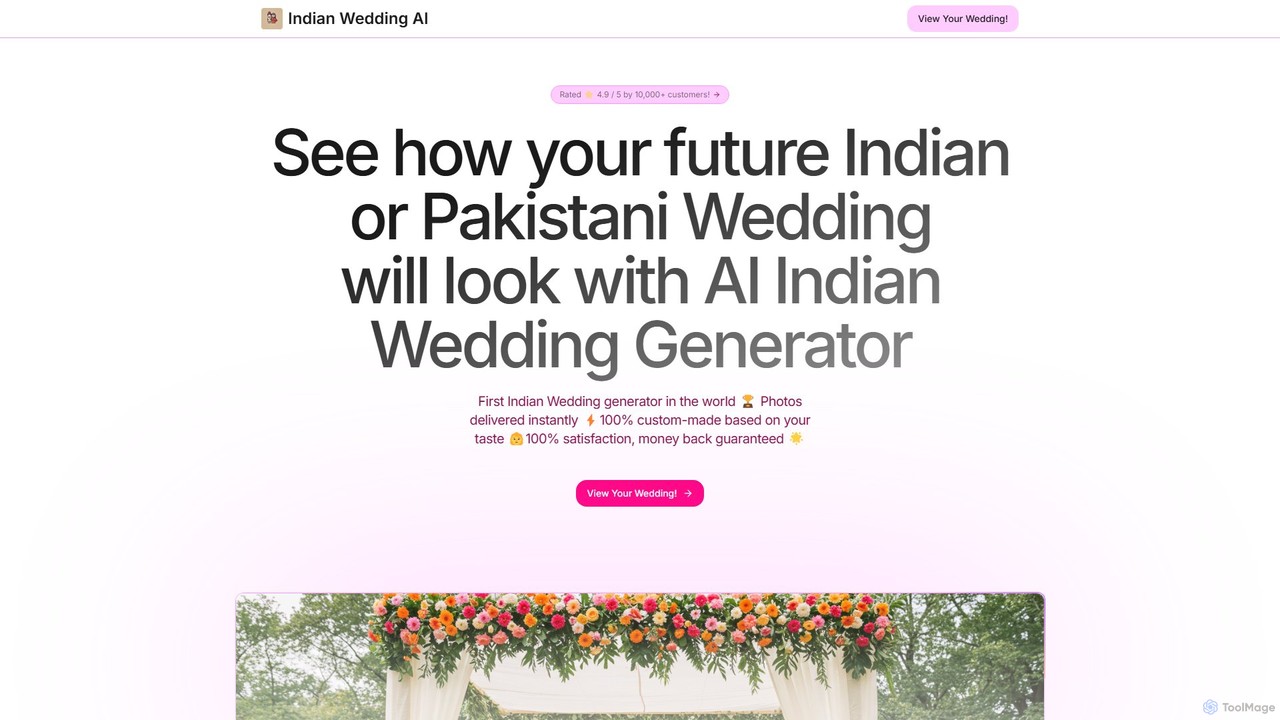
IndianWeddingAI is a specialized AI image generator that helps couples visualize their dream Indian, Pakistani, and South Asian …
IndianWeddingAI is a specialized AI image generator that helps couples visualize their dream Indian, Pakistani, and South Asian weddings. By inputting preferences like event type, colors, and decor, users receive stunning, personalized images of their celebration, simplifying the planning process and bringing their vision to life.
About Generative Tools
Generative Tools are a class of AI-powered applications designed to create new, original content. These tools leverage advanced models like Transformers and Generative Adversarial Networks (GANs) to produce a wide range of outputs, including text, images, code, and audio, based on user prompts. Their primary value lies in automating creative and production workflows, enabling users to generate high-quality materials at scale and speed. This capability significantly accelerates brainstorming, content creation, and software development processes.
Core Features
- Multi-Modal Generation: Create diverse content types such as articles, marketing copy, realistic images, music, and functional code.
- Prompt-Driven Control: Guide the AI's output using natural language instructions, specifying style, tone, and subject matter.
- Iterative Refinement: Modify and improve generated content through follow-up commands and feedback.
- Style Emulation: Mimic specific artistic styles, brand voices, or coding conventions for consistent output.
Use Cases
Generative Tools are widely adopted across various sectors. In marketing, they automate the creation of ad copy and social media content. For software development, they assist in writing code snippets and documentation. Designers and artists use them for rapid prototyping and generating visual concepts.
How to Choose
When selecting a Generative Tool, evaluate the quality and consistency of its output for your specific needs. Consider the range of content types it supports, its ease of use (both UI and API), and the level of customization available. Also, assess the pricing model—whether it's subscription-based, pay-per-use, or offers a free tier.
Generative ToolsUse Cases
Automating Marketing Content Creation
A marketing team needs to produce daily content for social media, blogs, and email newsletters. Using a generative text tool, they input a topic or a brief outline. The AI generates multiple variations of ad copy, engaging social media posts, and a structured blog post draft. This process allows the team to move from idea to publication in a fraction of the time, freeing them up to focus on strategy and performance analysis instead of manual writing.
Accelerating Software Development with AI Code
A software developer is tasked with building a new feature that requires repetitive boilerplate code and complex algorithms. By using an AI code generation tool, the developer can describe the desired function in plain English. The tool generates the necessary code in the specified programming language, along with unit tests to ensure functionality. This significantly reduces development time, minimizes human error, and helps developers learn new coding patterns.
Generating Visual Concepts for Design Projects
A graphic designer is brainstorming ideas for a new product campaign. Instead of spending hours searching for stock photos or creating manual sketches, they use an AI image generator. By typing descriptive prompts like "futuristic cityscape in a minimalist art style," the tool produces dozens of unique, high-quality visual concepts within minutes. This enables rapid exploration of creative directions and facilitates client communication with concrete visual examples.
Creating Royalty-Free Music for Videos
A video creator needs custom background music for their content but lacks a budget for licensing commercial tracks. They use an AI music generation tool, selecting parameters like genre (e.g., lo-fi, cinematic), mood (e.g., uplifting, suspenseful), and duration. The tool composes a unique, royalty-free audio track that perfectly fits the video's atmosphere, avoiding copyright issues and saving significant costs.
Drafting and Summarizing Business Reports
A business analyst needs to compile a comprehensive report from various data sources and meeting notes. They use a generative text tool to feed in the raw data and key points. The AI assists in structuring the report, writing clear executive summaries, and rephrasing complex information into easily understandable language. This streamlines the reporting process, ensuring consistency and clarity while saving hours of manual drafting and editing.
Personalized Customer Support Responses
A customer support team handles a high volume of inquiries that require nuanced, non-scripted answers. They use a generative AI tool integrated with their helpdesk. The tool analyzes the customer's query and drafts a personalized, empathetic response based on the knowledge base. The support agent can then review, edit, and send the reply, significantly improving response time and ensuring consistent quality in customer communication.