ToolMage
Sign in

Best 1 Smart Equipment AI tools for Health And Fitness

Popular Smart Equipment AI tools in Health And Fitness include Unitree, helping you work more efficiently.

Unitree
Paid

Unitree

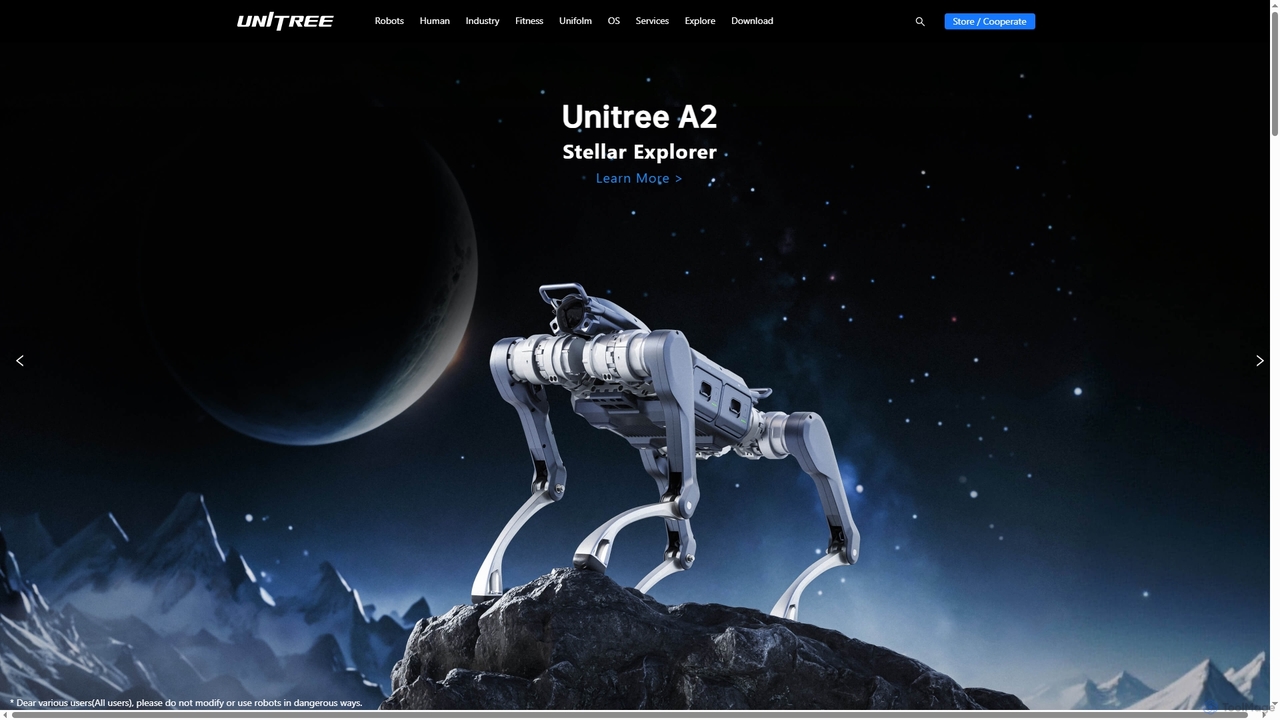
Unitree is a world-renowned robotics company specializing in the R&D, production, and sales of high-performance legged and humanoid robots, robotic arms, and advanced perception systems like 4D LiDAR. They offer innovative solutions for consumer, industrial, and research applications globally.

Personal Robotics
Visits 617.4KFavorites 141Likes 169

About Smart Equipment

Smart Equipment in health and fitness refers to physical exercise hardware integrated with AI to deliver personalized, interactive workouts. These devices use sensors and algorithms to analyze user performance in real-time, automatically adjusting variables like resistance, speed, or incline. This creates a dynamic training environment that adapts to your fitness level and goals, offering a significant advancement over traditional, static gym machines. They effectively bridge the gap between having a personal trainer and working out alone.

Core Features

  • AI-Personalized Training: The equipment dynamically adjusts workout difficulty based on your real-time performance and biometric data.
  • Real-time Form Correction: Utilizes cameras and sensors to provide instant feedback on posture and technique, reducing injury risk.
  • Interactive Content Streaming: Access live and on-demand classes, virtual coaching, and scenic routes on integrated screens.
  • Automated Progress Tracking: Automatically logs every rep, set, and metric, providing detailed analytics on your progress over time.

Use Cases

Smart Equipment is ideal for home gym enthusiasts seeking guided, data-driven workouts. It's also used in physical therapy for monitored rehabilitation, by athletes for performance optimization, and in modern fitness studios offering tech-enhanced classes that track member performance.

How to Choose

When selecting Smart Equipment, first consider the type of exercise (e.g., cycling, strength, rowing). Evaluate the quality of its AI features, such as form correction accuracy. Also, review the content subscription model, its ongoing cost, and the device's ability to integrate with other health apps you use.

Smart Equipment use cases

1

Personalized At-Home Strength Training

For home gym users lacking motivation or proper form guidance, smart strength equipment acts as a virtual personal trainer. The AI creates a weekly plan based on user goals, suggests appropriate weights, and tracks reps. During workouts, it uses 3D sensors to provide real-time feedback on form, such as correcting squat depth or back posture, significantly reducing the risk of injury and maximizing effectiveness.

2

Interactive Indoor Cycling and Rowing

Individuals seeking engaging cardio workouts use smart bikes or rowers. These devices stream instructor-led classes where the equipment automatically adjusts resistance to match the trainer's cues. They also offer virtual scenic routes where the incline or resistance changes with the terrain, making long cardio sessions more immersive, competitive, and motivating than staring at a wall.

3

Data-Driven Rehabilitation and Physical Therapy

Physical therapists use smart equipment to prescribe and monitor patient exercises with precision. The devices can control resistance and range of motion while collecting objective data on strength, endurance, and movement quality. This allows therapists to track recovery progress remotely and adjust protocols based on accurate performance metrics, ensuring a safer and more effective rehabilitation process.

4

Performance Optimization for Athletes

Competitive athletes leverage smart equipment to fine-tune their training. A smart treadmill can analyze running gait and suggest efficiency improvements, while a smart weight system can measure power output and bar velocity for explosive strength development. This granular data helps athletes and coaches identify weaknesses, quantify progress, and optimize performance for their specific sport in ways not possible with traditional equipment.

5

Gamified Fitness for Enhanced Motivation

For users who find traditional exercise boring, the gamification features of smart equipment can be a powerful motivator. Many devices integrate with apps that turn workouts into games. Users can compete against their past performance or others on a leaderboard, unlock achievements, or explore virtual worlds powered by their physical effort. This transforms exercise from a chore into an engaging and competitive experience.

6

Corporate Wellness Program Engagement

Companies use smart equipment in office gyms to boost employee health initiatives. The interactive and guided nature of these devices lowers the barrier to entry for beginners. Features like team challenges and shared leaderboards can foster a sense of community and friendly competition, increasing overall participation and making the corporate wellness program more effective and engaging.

Smart Equipment FAQ

What is AI Smart Equipment in the context of fitness?

AI Smart Equipment refers to physical exercise machines like treadmills, bikes, or weight systems embedded with sensors and artificial intelligence. They go beyond simple tracking by actively personalizing workouts, providing real-time feedback on form, and automatically adjusting difficulty based on your performance. Their primary goal is to simulate the guidance of a personal trainer at home.

How does Smart Equipment differ from regular gym equipment?

The key difference is interactivity and personalization. Regular equipment is static; you manually set the weight or speed. Smart Equipment is dynamic; it uses AI to adjust settings for you, corrects your form, tracks detailed data automatically, and provides interactive content like guided classes. It creates a connected, data-rich workout ecosystem rather than an isolated exercise session.

What are the key features to look for in Smart Fitness Equipment?

When choosing, focus on these key features:

  • Adaptive Training: The ability to automatically adjust resistance, speed, or incline based on your performance or a guided class.
  • Form Feedback: Real-time visual or auditory cues to correct your technique and prevent injury.
  • Content Library: A rich and regularly updated selection of on-demand classes, programs, and virtual routes.
  • Data Tracking & Integration: Comprehensive progress analytics and the ability to sync with other health apps like Apple Health or Strava.
Who is Smart Fitness Equipment best suited for?

This equipment is ideal for individuals working out at home who want structure, data, and guidance similar to a personal trainer. It's also highly beneficial for data-focused athletes aiming to optimize performance, physical therapy patients needing monitored recovery, and anyone who is motivated by interactive classes, gamification, and detailed progress tracking.

Is a subscription usually required for Smart Equipment?

Yes, most smart equipment relies on a recurring subscription model to access its full capabilities. The initial hardware purchase often provides basic functionality, but the core features—like AI-powered coaching, live classes, and personalized workout libraries—are typically unlocked through a monthly or annual fee. It is important to factor this ongoing cost into your decision.