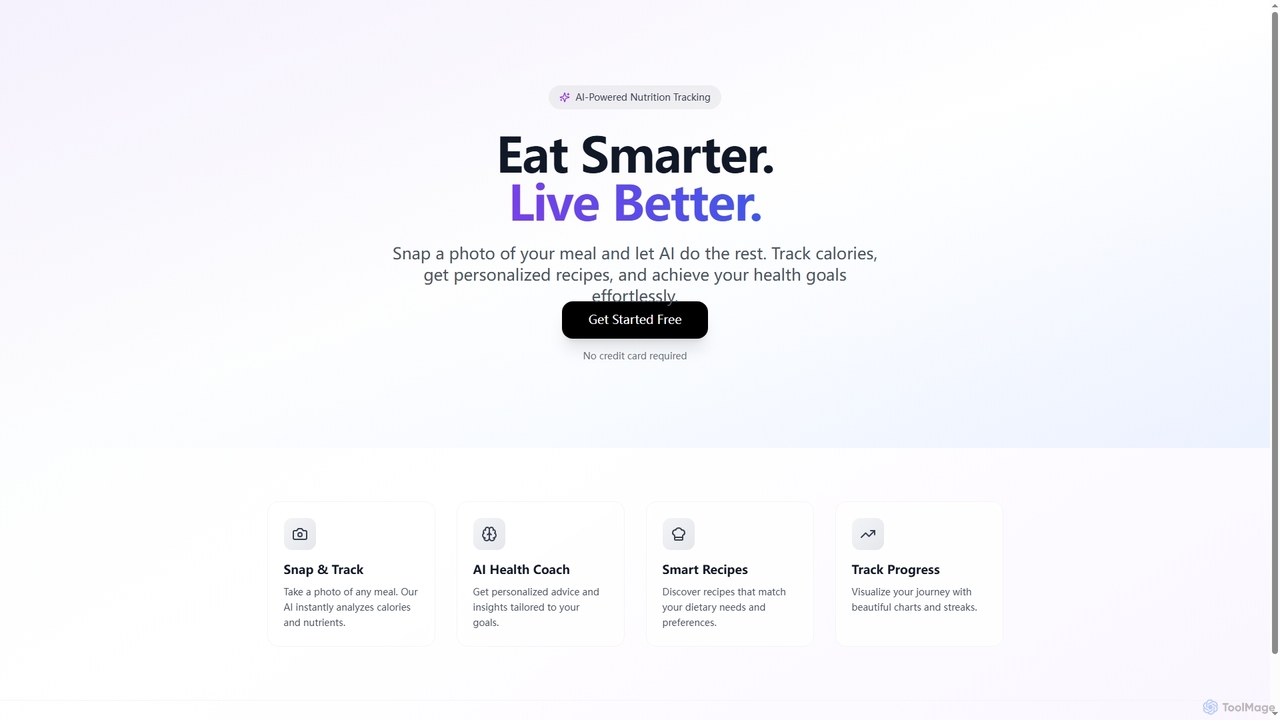
Instakal
Instakal is an AI-powered nutrition tracker that simplifies meal logging. Snap a photo of your food, and the …
Instakal is an AI-powered nutrition tracker that simplifies meal logging. Snap a photo of your food, and the AI instantly analyzes calories and nutrients. It also provides a personal AI health coach, smart recipe suggestions, and visual progress tracking to help you achieve your health goals.
About Diet
AI Diet tools are applications that use artificial intelligence to generate personalized meal plans and analyze nutritional intake. These tools process user data—such as age, weight, activity level, and health goals—to create customized dietary recommendations. They help users achieve specific objectives like weight management, muscle gain, or adherence to medical dietary restrictions more effectively. By automating meal planning and nutritional tracking, they provide a data-driven approach to healthy eating.
Core Features
- Personalized Meal Planning: Generates daily or weekly meal plans based on individual caloric needs, macronutrient targets, and food preferences.
- Nutritional Analysis: Tracks calories, proteins, fats, and carbohydrates from logged meals and provides detailed micronutrient breakdowns.
- Recipe Generation: Suggests recipes that fit the user's dietary plan and can adapt to available ingredients.
- Progress Monitoring: Visualizes weight trends, nutritional adherence, and other key metrics to help users stay motivated and on track.
- Dietary Restriction Management: Filters out allergens or unwanted ingredients to create safe meal plans for users with specific needs.
Use Cases
These tools are widely used by individuals seeking structured weight loss or muscle gain programs. Athletes and fitness enthusiasts leverage them to optimize their nutrition for peak performance and recovery. Additionally, they are valuable for people managing health conditions like diabetes or food allergies, as well as for busy professionals who need efficient and healthy meal planning solutions.
How to Choose
When selecting an AI Diet tool, consider the level of personalization and the scientific basis for its recommendations. Evaluate the size and accuracy of its food database and its ability to integrate with other fitness apps or devices. Also, assess the user interface for ease of logging meals and tracking progress. Finally, consider the subscription model and whether it aligns with your long-term commitment.
DietUse Cases
Personalized Weight Management Plan
An individual aiming to lose 10 kilograms uses an AI Diet tool to create a sustainable plan. After inputting their current weight, height, age, activity level, and goal weight, the AI calculates their daily caloric needs for a healthy deficit. It then generates a weekly meal plan complete with breakfast, lunch, dinner, and snack options that meet these targets. The plan includes diverse recipes and a corresponding shopping list, simplifying grocery shopping and meal prep, which helps the user stay consistent and motivated.
Create a Personalized Weight Management Plan
An individual aiming to lose 10kg uses an AI Diet tool to set their goal. The AI analyzes their Basal Metabolic Rate (BMR), daily activity level from a connected fitness tracker, and food preferences. It then generates a sustainable daily meal plan with a moderate calorie deficit, complete with recipes and a shopping list. The tool automatically adjusts caloric intake based on logged workouts, ensuring consistent progress without extreme hunger.
Personalized Weight Loss Planning
An individual aiming to lose 10kg can use an AI Diet tool to create a sustainable and effective plan. After inputting their current weight, height, age, activity level, and goal weight, the AI generates a daily calorie target with a balanced macronutrient split. The tool then populates a weekly meal plan with recipes that meet these targets, considering the user's food preferences and allergies. This eliminates guesswork, provides variety to prevent dietary boredom, and ensures the weight loss journey is nutritionally sound, significantly increasing the chances of success.
Managing Medical Dietary Restrictions
A user diagnosed with celiac disease needs to follow a strict gluten-free diet. They use an AI Diet tool to scan product barcodes at the grocery store to instantly verify if they are gluten-free. The tool also suggests gluten-free recipe alternatives for their favorite meals, such as pasta dishes made with lentil or rice flour. This helps them navigate their dietary constraints safely and discover new, enjoyable food options without constant worry about cross-contamination or hidden ingredients.
Optimize Nutrition for Athletic Performance
A cyclist training for a race needs to optimize their nutrition for peak performance and recovery. The AI Diet tool creates a macro-focused plan, increasing carbohydrate intake on heavy training days and protein on recovery days. It suggests specific pre-ride snacks and post-ride recovery meals. By analyzing performance data alongside nutritional intake, the tool helps the athlete understand the direct impact of their diet on their training results.
Optimizing Nutrition for Athletic Performance
An athlete training for a marathon needs precise nutrition to fuel performance and aid recovery. Using an AI Diet tool, they can set performance-based goals, such as macronutrient timing around workouts. The AI calculates their increased energy expenditure and generates a meal plan rich in complex carbohydrates for sustained energy and high-quality protein for muscle repair. It can suggest pre-workout snacks and post-workout recovery meals, ensuring the athlete's body receives the right nutrients at the right time, leading to improved endurance and faster recovery.
Optimizing Nutrition for Athletic Performance
A marathon runner uses an AI Diet tool to fuel their training. The tool syncs with their fitness tracker to adjust daily calorie and macronutrient recommendations based on their training intensity and duration. It suggests pre-run meals rich in complex carbohydrates for sustained energy and post-run meals with an optimal protein-to-carb ratio for muscle recovery. The AI helps the athlete fine-tune their nutrition strategy, ensuring they are properly fueled for peak performance and efficient recovery.
Manage Medically-Required Dietary Restrictions
A user diagnosed with celiac disease needs to maintain a strict gluten-free diet. An AI Diet tool helps them by filtering all meal plans and recipes to exclude gluten-containing ingredients. When they scan a product's barcode at the grocery store, the AI instantly verifies if it's gluten-free. This provides peace of mind and simplifies the challenge of managing a complex dietary requirement.
Managing Medical Dietary Restrictions
A person newly diagnosed with celiac disease must adhere to a strict gluten-free diet. An AI Diet tool can simplify this significant lifestyle change. By setting 'gluten-free' as a core requirement, the tool automatically filters its entire food database and recipe suggestions to exclude any items containing wheat, barley, or rye. It helps the user discover new, safe recipes, checks ingredients of packaged foods via barcode scanning, and ensures their overall diet remains balanced and nutritious despite the restrictions. This provides peace of mind and makes dietary management less overwhelming.
AI-Powered Recipe Discovery and Creation
A home cook wants to reduce food waste by using ingredients they already have. They input a list of items from their pantry and fridge—like chicken breast, broccoli, and quinoa—into an AI Diet tool. The AI instantly generates several recipe ideas that use these specific ingredients, complete with cooking instructions and nutritional information. It can even adapt the recipes to fit a low-carb preference, providing a creative and practical solution to meal planning while minimizing waste.
Simplify Meal Logging with Photo Recognition
A busy professional finds it tedious to manually log every meal. They use an AI Diet tool with computer vision. After each meal, they simply take a photo of their plate. The AI identifies the food items—such as grilled chicken, broccoli, and quinoa—estimates the portion sizes, and automatically logs the nutritional information. This saves significant time and makes consistent tracking effortless.
Efficient Family Meal Planning
A busy parent needs to plan meals that cater to different tastes and nutritional needs within the family—a picky toddler, a teenager in a growth spurt, and a health-conscious adult. An AI Diet tool with multi-user profiles can streamline this process. The parent inputs each family member's profile and preferences. The AI then generates a cohesive weekly meal plan with recipes that can be easily adapted for everyone, such as a base meal with different toppings or side dishes. This saves hours of planning time, reduces food waste by creating precise shopping lists, and ensures everyone in the family eats a balanced diet.
Effortless Food Logging with Image Recognition
A busy professional finds manual calorie counting tedious. They use an AI Diet tool with image recognition to simplify the process. Instead of typing in every ingredient, they just take a photo of their meal. The AI analyzes the image, identifies the food items (e.g., grilled salmon, asparagus, and brown rice), estimates portion sizes, and automatically logs the meal with its corresponding nutritional information. This feature saves significant time and reduces the friction of daily tracking, making it easier to adhere to a nutritional plan.
Generate Recipes Based on Available Ingredients
A user wants to cook a healthy meal but only has a few ingredients at home: chicken breast, spinach, and tomatoes. They input these items into their AI Diet tool. The AI instantly generates several recipe options that fit their dietary goals, complete with step-by-step cooking instructions and full nutritional breakdowns. This reduces food waste and makes healthy eating more convenient.
Building Muscle Mass with a Caloric Surplus
A bodybuilder aiming to increase muscle mass needs a consistent caloric surplus and high protein intake. An AI Diet tool automates the complex calculations required. The user sets their goal to 'build muscle'. The AI calculates the necessary daily calories and protein grams, then generates a meal plan featuring protein-dense foods like chicken, fish, and legumes, spaced throughout the day to optimize muscle protein synthesis. The tool can also adjust targets automatically as the user's weight increases, ensuring the plan remains effective throughout their bulking phase without manual recalculations.
Family Meal Planning with Diverse Dietary Needs
A parent is planning meals for a family with different needs: one person is vegetarian, another is trying to build muscle, and a child is a picky eater. Using an AI Diet tool, the parent inputs each family member's profile and preferences. The AI generates a cohesive weekly meal plan where a core recipe (like a stir-fry) can be easily adapted for everyone—using tofu for the vegetarian, adding extra chicken for the muscle-builder, and keeping the sauce simple for the child. This streamlines planning and cooking for complex households.
Receive Real-Time AI Nutritional Coaching
Someone new to healthy eating logs a fast-food burger for lunch. The AI coach provides non-judgmental feedback, showing how this meal impacts their daily goals. It then suggests healthier alternatives for their next meal, such as a homemade lean beef burger on a whole-wheat bun, and offers a simple recipe. This interactive guidance helps build sustainable healthy habits over time.
Exploring New Healthy Cuisines
A health-conscious individual wants to diversify their diet beyond typical salads and grilled chicken. They can use an AI Diet tool's recipe generation feature for culinary inspiration. By inputting preferences like 'Mediterranean diet', 'high-protein', and 'quick 30-minute meals', the AI scours its database to suggest a variety of new and exciting recipes that fit the criteria. It can generate a full week of diverse, healthy meals, complete with shopping lists. This helps users break out of dietary ruts, discover new flavors, and maintain long-term interest in healthy eating without spending hours searching for recipes online.