VPT.FIT
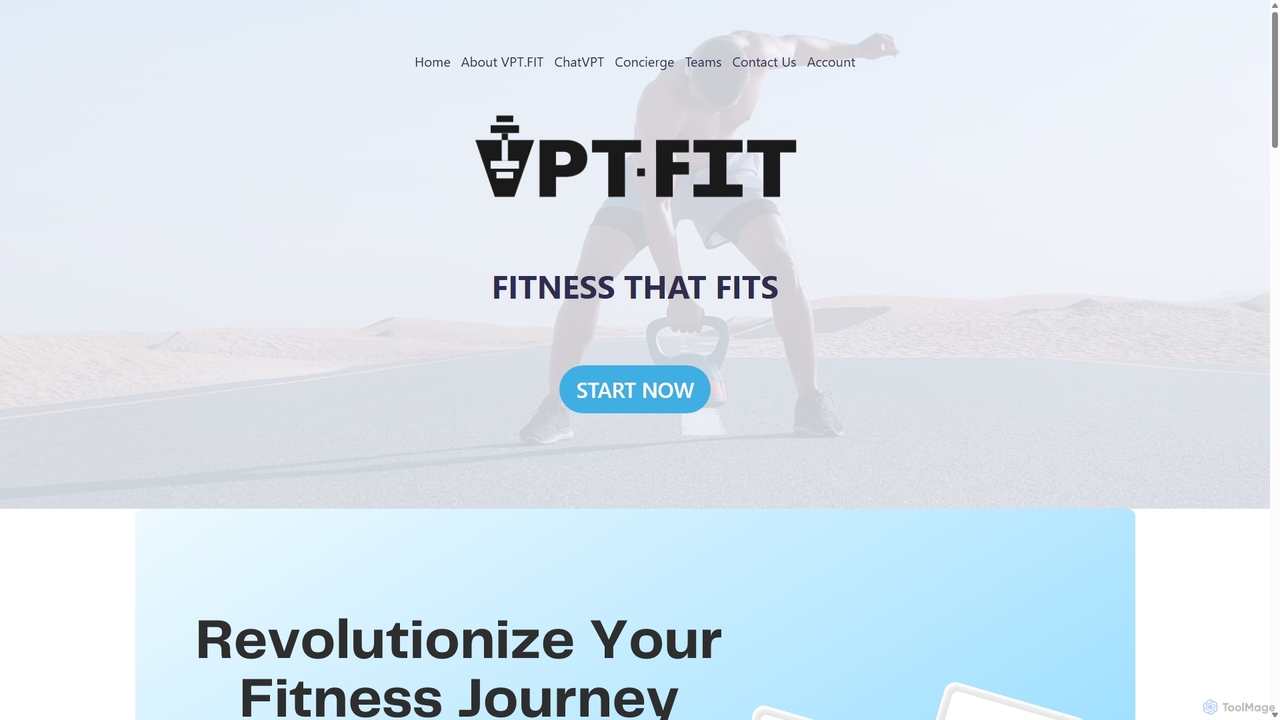
VPT.FIT is an AI-powered fitness platform that delivers customized workout and nutrition plans. It combines artificial intelligence with …
VPT.FIT is an AI-powered fitness platform that delivers customized workout and nutrition plans. It combines artificial intelligence with expert human coaching to create unique fitness experiences for individuals and corporate teams, adaptable to any location like home, gym, or hotel.
AI Endurance
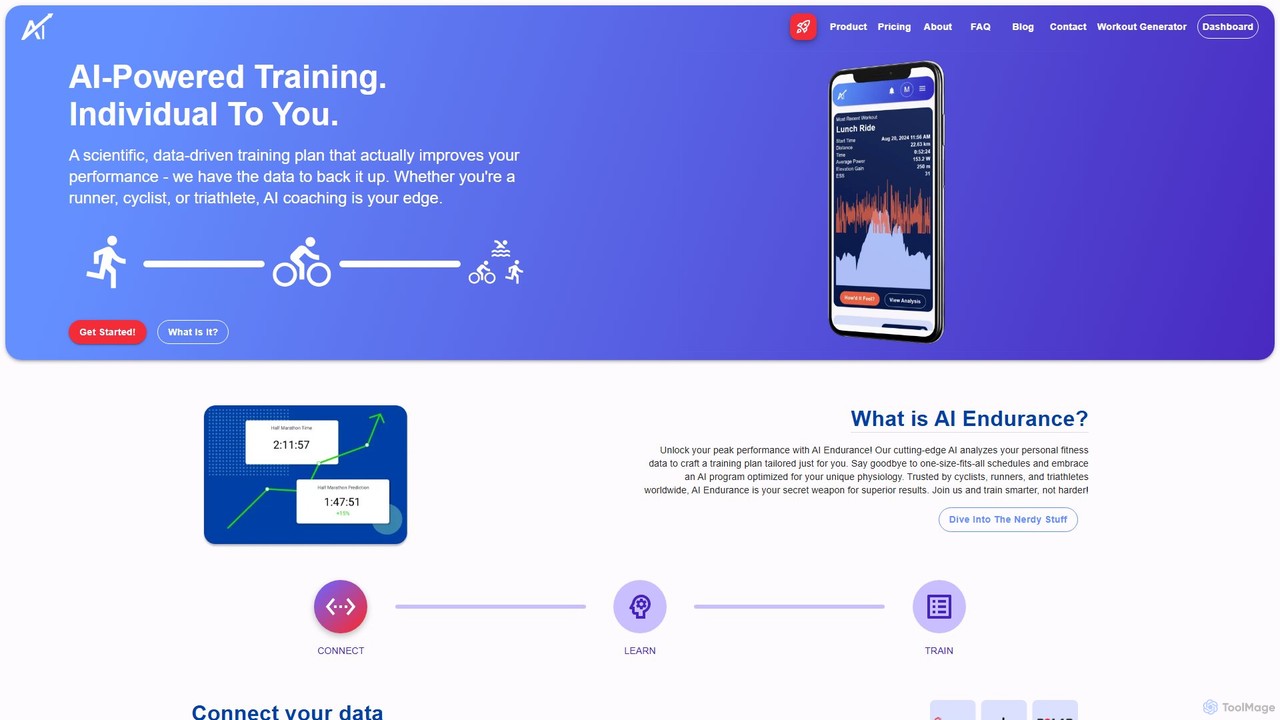
AI Endurance is an AI-powered coach for runners, cyclists, and triathletes. It analyzes your personal fitness data, including …
AI Endurance is an AI-powered coach for runners, cyclists, and triathletes. It analyzes your personal fitness data, including advanced metrics like HRV and DFA alpha 1, to create fully personalized and adaptive training plans. Train smarter and achieve peak performance with a plan that evolves with you, all at a fraction of the cost of a traditional coach.
Shapemate
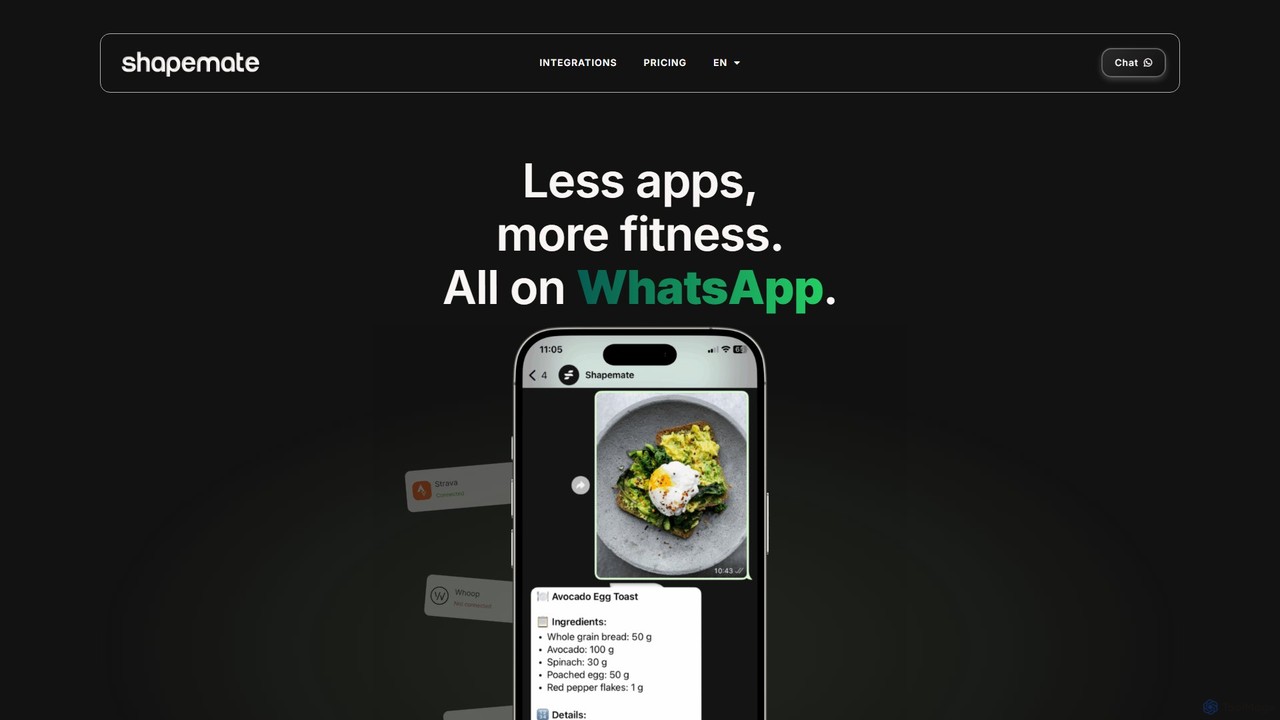
Shapemate is an AI-powered fitness chatbot that operates entirely within WhatsApp. It simplifies your fitness journey by providing …
Shapemate is an AI-powered fitness chatbot that operates entirely within WhatsApp. It simplifies your fitness journey by providing personalized workout plans, nutrition tracking, and progress analysis through a simple chat interface, aiming to make you a 'Hybrid Athlete'.

Yogger
Yogger is an AI-powered movement analysis platform designed for coaches, physical therapists, and athletes. Using video from any …
Yogger is an AI-powered movement analysis platform designed for coaches, physical therapists, and athletes. Using video from any smartphone, it tracks form, measures biomechanics like range of motion, and delivers objective data and scores in seconds. It streamlines client assessments, enhances training programs, and aids in injury prevention and recovery, all through an accessible and easy-to-use interface.
airatemybody
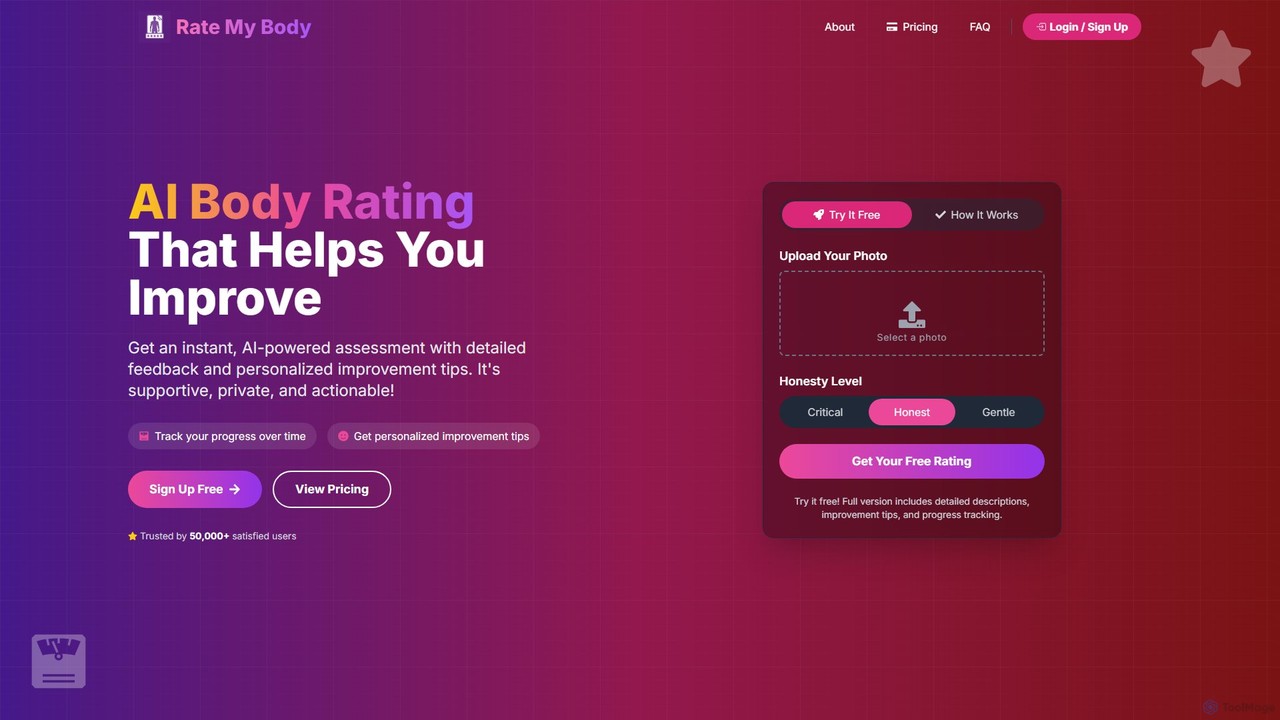
airatemybody is an AI-powered platform that provides objective assessments of your physique. Upload a photo to receive a …
airatemybody is an AI-powered platform that provides objective assessments of your physique. Upload a photo to receive a detailed rating, personalized feedback on muscle balance and definition, and actionable improvement tips. It's a private, fast, and supportive tool for tracking your fitness progress and achieving your body goals.
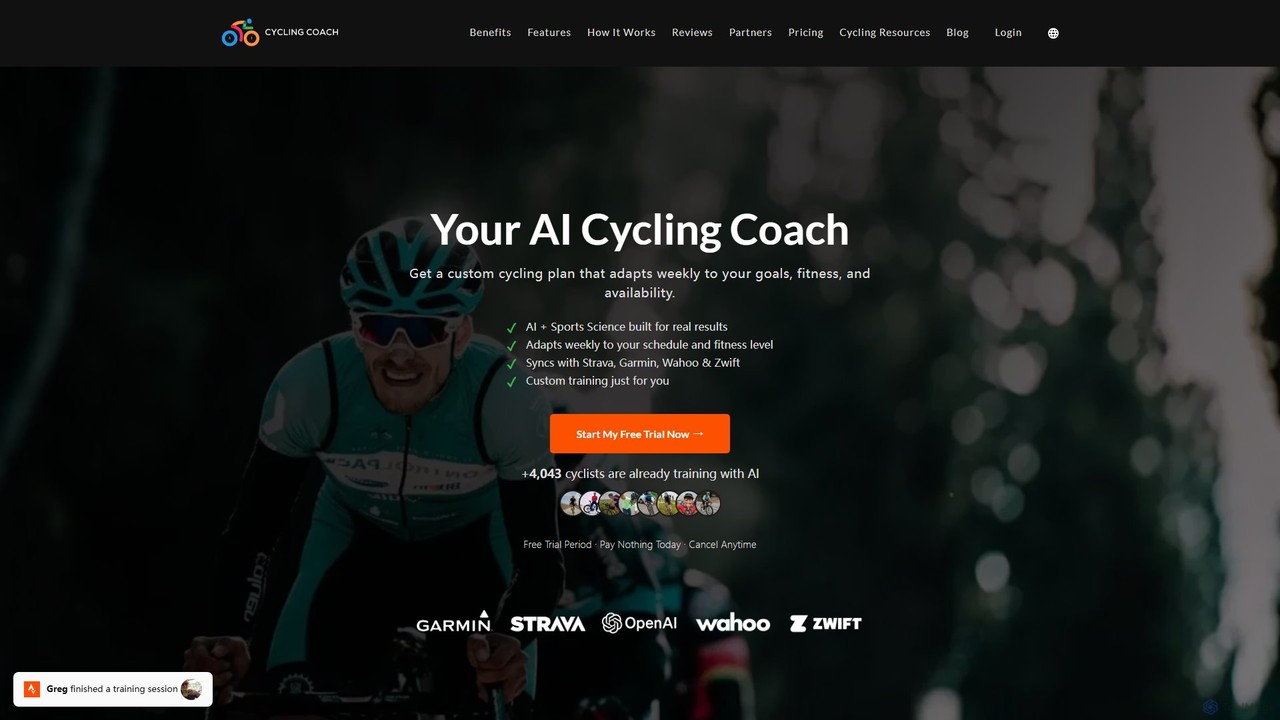
cyclingcoachai
cyclingcoachai is an AI-powered platform that creates highly personalized cycling training plans. It analyzes your fitness level via …
cyclingcoachai is an AI-powered platform that creates highly personalized cycling training plans. It analyzes your fitness level via Strava or manual input, considers your time availability, and tailors workouts to your specific goals, such as improving FTP, sprinting, or weight loss. With integrations for Garmin, Wahoo, and Zwift, it provides daily feedback and real-time progress monitoring to help cyclists of all levels train smarter and achieve better results.
About Personal Training
AI Personal Training tools are applications that leverage artificial intelligence to deliver customized fitness routines and real-time coaching. These platforms use machine learning to analyze user data—such as fitness level, goals, available equipment, and performance feedback—to create and adapt workout plans dynamically. Their primary value lies in making personalized, data-driven fitness guidance accessible and affordable, serving as a virtual coach that evolves with the user's progress. This approach offers a structured and interactive alternative to generic workout apps.
Core Features
- Personalized Workout Generation: Creates tailored exercise plans based on individual goals, experience, and available equipment.
- Real-time Form Correction: Uses computer vision via a device's camera to analyze exercise form and provide immediate corrective feedback.
- Adaptive Progress Tracking: Automatically adjusts the difficulty and structure of future workouts based on performance and user feedback.
- AI-driven Nutrition Planning: Suggests meal plans and nutritional guidance that align with the user's fitness objectives.
- Interactive Motivation: Provides AI-powered encouragement, progress reports, and answers to fitness-related questions to maintain user engagement.
Use Cases
These tools are ideal for individuals seeking structured fitness guidance without the cost of a human trainer. They are widely used for at-home workouts, supplementing gym routines, and providing specific training programs for goals like weight loss, muscle gain, or marathon preparation. Fitness enthusiasts use them to break through plateaus with data-driven plan adjustments.
How to Choose
When selecting an AI Personal Training tool, consider the accuracy of its form-correction technology, as this is a key differentiator. Evaluate the breadth of its exercise library and the depth of its personalization algorithms—does it adapt based on simple feedback or detailed performance metrics? Also, check for compatibility with wearable devices for seamless data tracking and consider the subscription model that best fits your commitment level.
Personal TrainingUse Cases
At-Home Strength Training with Form Correction
A beginner wants to start strength training at home but is concerned about performing exercises incorrectly and risking injury. They use an AI Personal Training app on their smartphone. By placing the phone on the floor, the app's computer vision analyzes their movements during squats and lunges. It provides real-time audio cues like "Lower your hips more" or "Keep your back straight," ensuring proper form. This immediate feedback helps them build muscle safely and effectively, gaining confidence without needing a human spotter.
Adaptive Marathon Training Plan
An amateur runner is training for their first marathon. They use an AI coach that syncs with their GPS watch. The AI initially creates a 16-week plan. After each run, the AI analyzes their pace, heart rate, and distance. If the runner consistently exceeds targets with a low heart rate, the AI might increase the intensity of the next week's speed work. Conversely, if they struggle through a long run, the AI might suggest a shorter recovery run or an extra rest day, ensuring the plan adapts to their real-world performance and prevents overtraining.
Personalized Nutrition and Workout Synergy
A user aims to lose 10kg in three months. Their AI Personal Training tool integrates both fitness and nutrition. Based on their goal, body metrics, and dietary preferences (e.g., vegetarian), the AI generates a weekly workout schedule combining cardio and strength training. Simultaneously, it creates a corresponding meal plan with a specific daily calorie target and macronutrient breakdown. As the user logs workouts and meals, the AI adjusts both plans. For instance, after an intense workout, it might suggest a post-workout meal higher in protein to aid recovery, creating a holistic and synergistic approach to weight loss.
Breaking Through Fitness Plateaus
An experienced gym-goer finds their progress has stalled. They input their last six months of workout data into an AI training platform. The AI analyzes the data and identifies that their training volume for chest exercises has remained static. To break the plateau, the AI redesigns their push-day routine, introducing new exercises like incline dumbbell press and incorporating advanced techniques such as drop sets. It also suggests a one-week deload phase to promote recovery before starting the new, more intense program, providing a strategic path forward.
Time-Efficient Workouts for Busy Professionals
A consultant with a demanding travel schedule struggles to maintain a consistent workout routine. They use an AI trainer and set their preference for 20-minute, no-equipment workouts. Before a busy day of meetings, the AI generates a high-intensity interval training (HIIT) session with bodyweight exercises like burpees and jumping jacks. When they have more time in a hotel gym, they can update their settings to include equipment, and the AI will generate a different, suitable workout. This flexibility allows them to fit effective exercise into their unpredictable schedule.
Guided Post-Injury Rehabilitation
After recovering from a minor shoulder strain, a user wants to safely return to exercise. They inform their AI trainer about the injury and their physiotherapist's recommendations. The AI then curates a rehabilitation program focusing on low-impact mobility and strengthening exercises for the shoulder joint. It explicitly avoids movements that could cause re-injury, such as overhead presses. The app's form correction feature is crucial here, ensuring they perform each rehabilitative exercise with precise, controlled movements to promote healing and regain strength safely.