Health Best in category 2 results Neurodiversity AI Tool

Popular AI tools in the Neurodiversity field of Health include Llama Life、Kumo Study, etc., helping you quickly improve efficiency.

Kumo Study

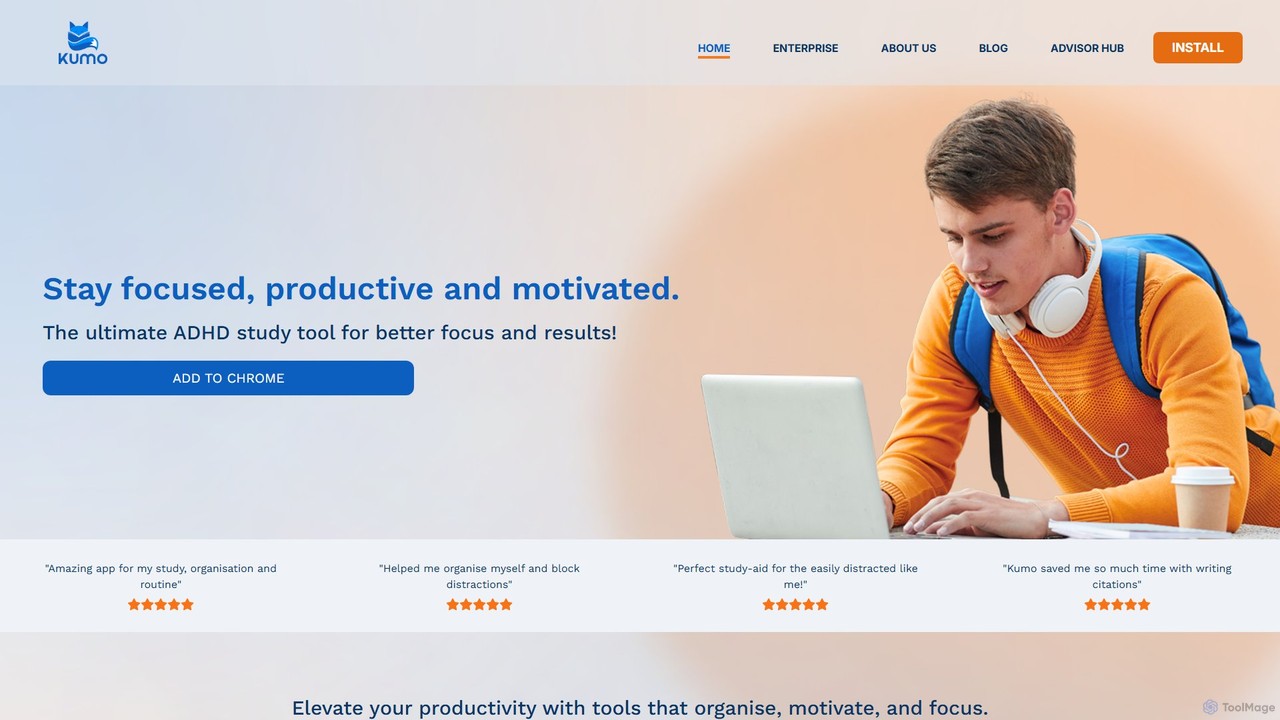
Kumo Study

Kumo Study is the ultimate study tool specifically designed for students with ADHD. This Chrome extension helps improve …

8.0K
Llama Life

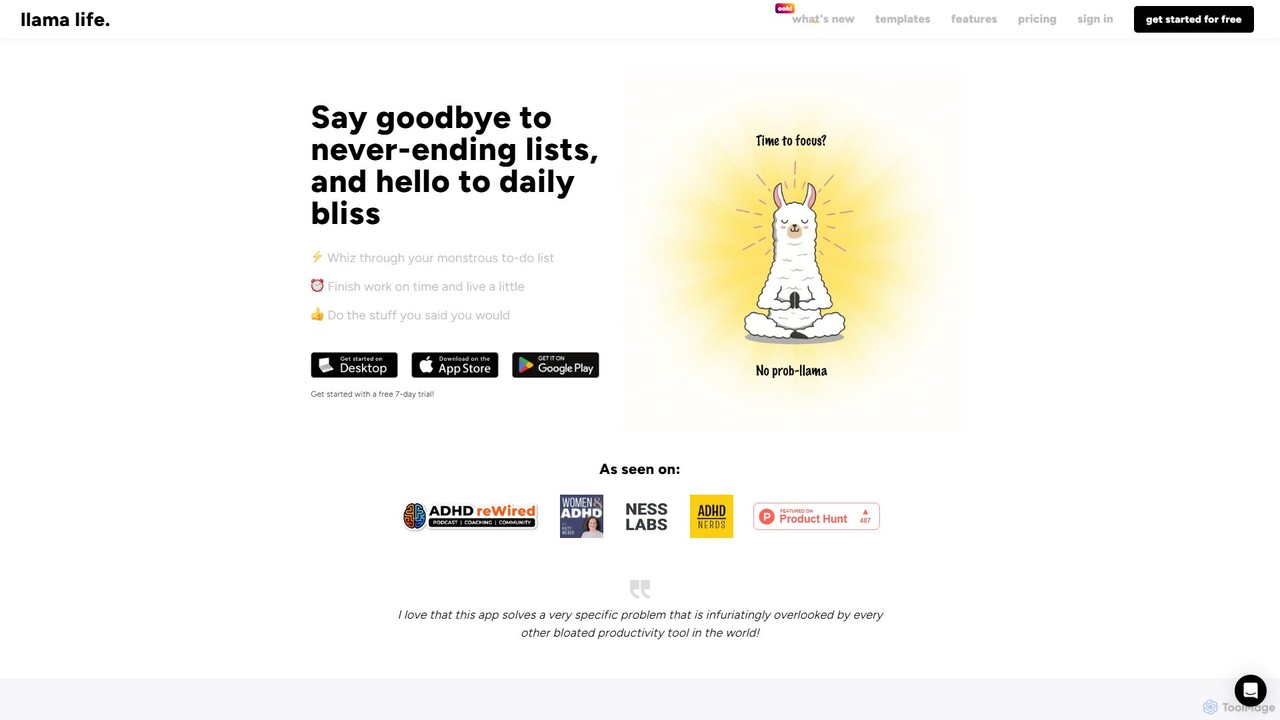
Llama Life

Llama Life is a unique task manager designed to combat overwhelm and boost focus. Instead of just creating …

41.1K

About Neurodiversity

Neurodiversity AI tools are a specialized category of assistive technology designed to support individuals with diverse neurological conditions. These tools leverage artificial intelligence to provide personalized assistance in areas such as executive function, communication, learning, and emotional regulation. They aim to empower users by offering adaptive solutions that cater to specific needs associated with conditions like ADHD, autism, and dyslexia. By analyzing user patterns, these tools can offer customized prompts, scheduling, and learning aids that enhance daily functioning and promote greater independence.

Core Features

  • Adaptive Learning Support: Provides personalized reading, writing, and comprehension aids that adjust to the user's specific learning style and challenges.
  • Executive Function Assistance: Offers intelligent tools for task management, time tracking, focus enhancement, and routine planning to reduce cognitive load.
  • Communication Aids: Utilizes text-to-speech, speech-to-text, and social cue analysis to facilitate clearer and more confident communication.
  • Emotional Regulation Support: Delivers AI-driven feedback, guided exercises, and pattern recognition to help users understand and manage their emotional states.

Use Cases

These tools are widely used in educational settings by students who require tailored learning support. In the workplace, professionals use them to manage complex projects, maintain focus, and organize their workflow. They are also valuable for individuals in their daily lives for managing appointments, routines, and social interactions, fostering greater autonomy and well-being within the broader Health context.

How to Choose

When selecting a Neurodiversity AI tool, first identify the primary challenge you need to address (e.g., focus, reading, scheduling). Evaluate the tool's user interface for simplicity and low sensory stimulation. Consider its adaptability and personalization options to ensure it can be tailored to specific needs. Finally, review the platform's data privacy policy, as these tools often handle sensitive personal information.

NeurodiversityUse Cases

1

Enhancing Focus for Professionals with ADHD

A project manager with ADHD uses an AI-powered focus tool to manage their demanding workload. The tool helps break down large projects into smaller, actionable tasks. It uses smart timers and gentle, non-intrusive reminders to keep them on track without causing anxiety. The AI also learns their peak productivity times and suggests scheduling complex tasks during those periods, significantly improving their ability to meet deadlines and reducing work-related stress.

2

Assisting Reading Comprehension for Dyslexic Students

A university student with dyslexia uses an AI-powered reading assistant to process dense academic texts. The tool offers a text-to-speech function that highlights words as they are read aloud, improving tracking. It can also simplify complex sentences, provide instant definitions for jargon, and generate summaries of long chapters. This allows the student to focus on understanding the concepts rather than struggling with the mechanics of reading, leveling the playing field in their studies.

3

Supporting Social Communication for Autistic Individuals

An autistic adult preparing for a job interview uses an AI communication coach. They can practice answering common interview questions, and the AI provides real-time feedback on their tone of voice, pacing, and non-verbal cues like eye contact (via webcam). The tool also offers suggestions for rephrasing answers to be more concise or to better match social expectations. This practice builds confidence and helps demystify the unwritten rules of social interaction in a professional setting.

4

Organizing Daily Routines and Tasks

An individual struggling with executive function uses an AI-powered daily planner. Unlike a standard calendar, this tool helps them break down goals like 'clean the kitchen' into a visual, step-by-step checklist (e.g., 1. Clear counters, 2. Wash dishes, 3. Wipe surfaces). It can automatically schedule these steps into available time slots and send adaptive reminders. If a task is repeatedly missed, the AI might suggest breaking it down even further or rescheduling it, providing flexible support for daily life management.

5

Improving Writing and Note-Taking

A journalist with dysgraphia uses an AI tool that combines highly accurate speech-to-text with a writing assistant. While conducting interviews, they can dictate notes directly into the app. Later, the AI helps organize these notes, suggests sentence structures to improve clarity, and checks for grammatical errors that might be missed. This workflow allows them to capture information efficiently and focus on the creative aspect of writing their articles, rather than the physical act of typing or handwriting.

6

Managing Sensory Overload in Public Spaces

An individual with sensory processing sensitivities uses an AI app connected to noise-canceling headphones. The app's AI analyzes the ambient sound environment in real-time. When it detects sudden loud noises or a sustained high level of auditory stimulation that could lead to overload, it automatically adjusts the headphone's noise-cancellation level or plays calming, focused soundscapes. This proactive intervention helps the user navigate potentially overwhelming environments like shopping malls or public transport more comfortably.

NeurodiversityFrequently Asked Questions