Tidalflow
Tidalflow is an AI technology company, backed by Google's AI VC, dedicated to building world-class consumer health products. …
Tidalflow is an AI technology company, backed by Google's AI VC, dedicated to building world-class consumer health products. It leverages advanced AI to provide personalized health insights, wellness plans, and proactive care solutions.
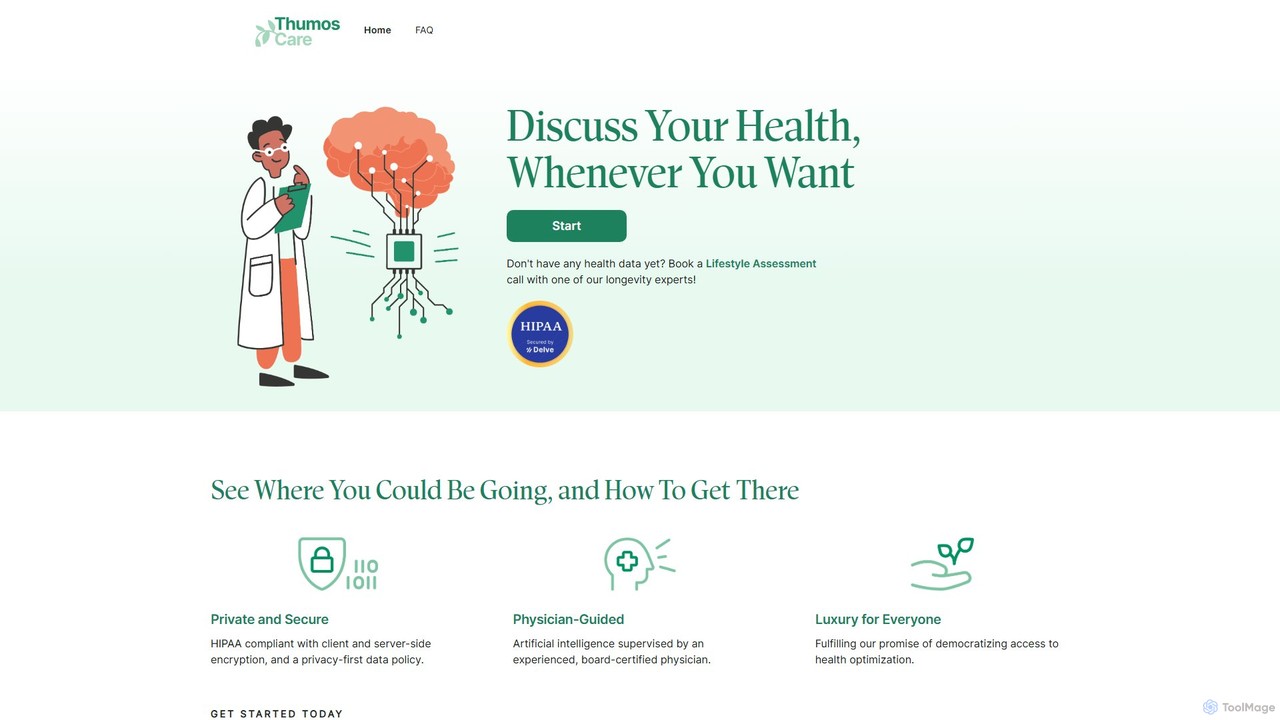
Thumos Care
Thumos Care is a physician-guided AI platform for private health analysis. Upload your lab test results to receive …
Thumos Care is a physician-guided AI platform for private health analysis. Upload your lab test results to receive personalized, secure, and actionable insights for health optimization and longevity. It offers a unique 'Pay What You Can' model, making advanced health monitoring accessible to everyone. The platform is HIPAA compliant, ensuring your data is always protected.
About Personalized Health
Personalized Health AI tools are applications that analyze an individual's unique biological and lifestyle data to provide tailored health recommendations. These tools leverage machine learning algorithms to process inputs such as genetic information, wearable device metrics, blood test results, and personal logs. The primary value is to deliver customized guidance on nutrition, fitness, and preventative care, moving beyond generic, one-size-fits-all health advice. This data-driven approach helps users make more informed decisions to optimize their well-being and manage health risks proactively.
Core Features
- Personalized Nutrition Planning: Generates meal plans and dietary advice based on an individual's genetics, metabolism, and health goals.
- AI-Driven Fitness Coaching: Creates and adjusts workout routines in real-time based on performance data from wearables and user feedback.
- Genetic Trait Analysis: Interprets DNA data to provide insights into predispositions for certain health conditions, nutrient needs, and physical traits.
- Symptom & Risk Prediction: Analyzes patterns in biometric data and health records to forecast potential health issues or disease risks.
- Behavioral Pattern Recognition: Identifies lifestyle habits (sleep, stress, activity) that impact health and suggests specific interventions.
Use Cases
These tools are primarily used by health-conscious individuals, biohackers, athletes, and people managing chronic conditions who want to optimize their health based on personal data. For instance, a user might upload their DNA report to receive a diet plan that suits their genetic makeup. Similarly, a runner could use an AI coach that analyzes their heart rate and sleep data to prevent overtraining.
How to Choose
When selecting a Personalized Health tool, consider the types of data it supports (e.g., DNA services, specific wearables). Evaluate the scientific evidence or research backing its recommendations. Data privacy and security policies are critical, as you are sharing sensitive health information. Also, assess the clarity and actionability of the insights provided—the best tools translate complex data into simple, practical advice.
Personalized HealthUse Cases
Generate a Diet Plan Based on DNA Data
A user who has completed a genetic test (e.g., from 23andMe or AncestryDNA) wants to optimize their nutrition. They upload their raw DNA data file to a Personalized Health AI tool. The AI analyzes genetic markers related to metabolism, nutrient processing (like folate or vitamin D), and food sensitivities (like lactose or gluten). Based on this analysis, the tool generates a highly personalized weekly meal plan, suggests specific foods to include or avoid, and provides recipes that align with their unique genetic profile, helping them move beyond generic diet advice.
Optimize Athletic Training with Wearable Data
An amateur marathon runner uses a smartwatch and a heart rate monitor to track their workouts and sleep. They sync this data with a Personalized Health AI app. The AI analyzes daily recovery scores, sleep quality, heart rate variability (HRV), and training load. Instead of following a static training plan, the AI provides dynamic recommendations each morning, suggesting whether to perform a high-intensity workout, a light recovery run, or take a rest day to prevent injury and optimize performance gains based on the user's real-time physiological state.
Proactively Manage Chronic Conditions
A person with Type 2 diabetes uses a continuous glucose monitor (CGM) and logs their meals and activities in an AI-powered health app. The AI model learns the individual's unique response to different foods and exercises. It then provides predictive alerts for potential high or low blood sugar events, offers real-time suggestions on meal choices to stabilize glucose levels, and generates weekly reports for their doctor. This personalized, proactive management helps the user maintain better glycemic control and reduce the risk of long-term complications.
Receive Personalized Supplement Recommendations
A health-conscious individual gets their bloodwork done and wants to address specific nutrient deficiencies. They upload their lab results (e.g., PDF report) to a Personalized Health AI platform. The AI parses the data, cross-references it with the user's stated health goals (e.g., improve energy, boost immunity), and analyzes their diet log. The system then recommends specific supplements, suggests optimal dosages, and explains the scientific reasoning behind each recommendation, providing a more targeted approach than generic multivitamins.
Assess Long-Term Health Risks
A user inputs their family medical history, lifestyle information (diet, exercise, smoking habits), and recent biometric data (blood pressure, cholesterol) into an AI health assessment tool. The AI uses predictive models, trained on large population health datasets, to calculate the user's personalized risk score for chronic diseases like heart disease, stroke, and certain cancers over the next 10-20 years. The tool then provides actionable, prioritized recommendations on lifestyle changes that could most effectively lower these specific risks, empowering preventative action.
Improve Mental Wellness with Personalized Insights
A user tracks their mood, sleep patterns, and daily activities through a journaling feature in a mental wellness app. An AI engine analyzes the text entries for sentiment and identifies correlations between activities and mood shifts. For example, it might discover that the user's mood consistently improves after morning exercise but dips after consuming caffeine late in the day. The app then provides personalized insights and suggests specific behavioral adjustments, like scheduling workouts in the morning, to help the user proactively manage their mental well-being.