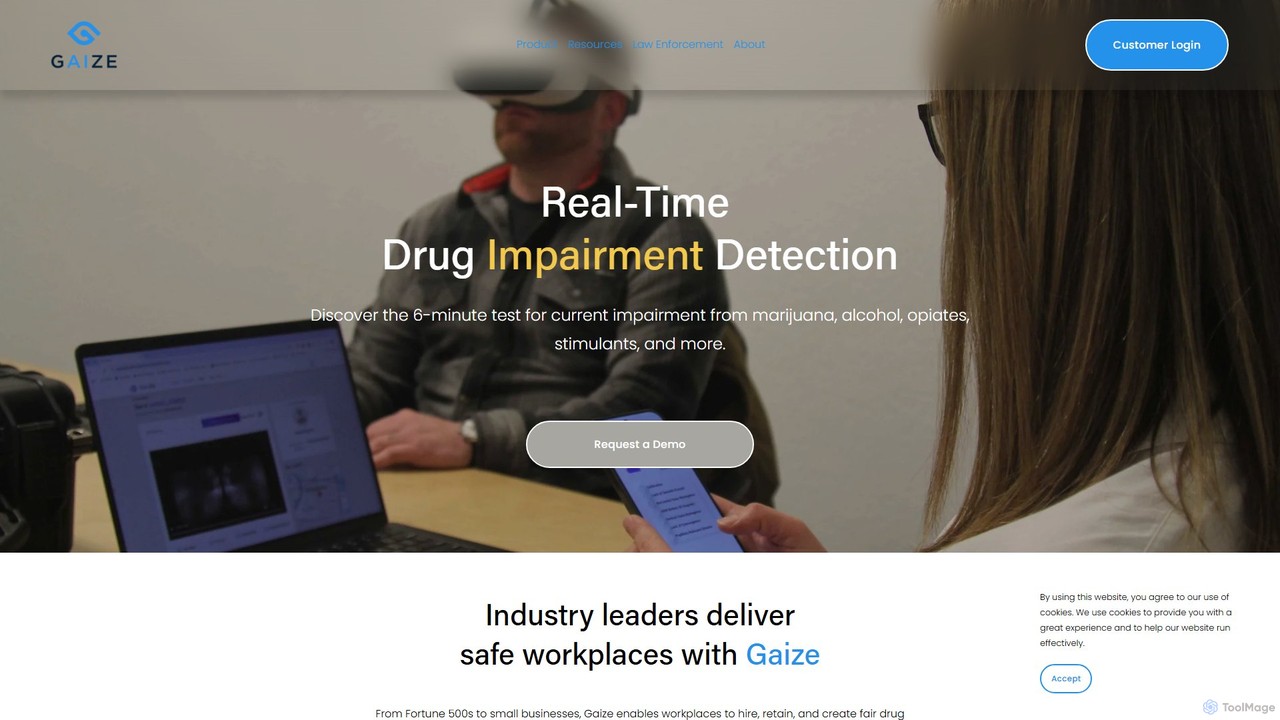
Risk Management AI tools are advanced software solutions that leverage artificial intelligence to identify, assess, monitor, and mitigate potential risks across various organizational functions. These tools utilize machine learning, predictive analytics, and natural language processing to analyze vast datasets, uncover hidden patterns, and forecast future threats with greater accuracy and speed than traditional methods. They empower organizations to proactively address financial, operational, cybersecurity, and compliance risks, enhancing resilience and supporting data-driven strategic decision-making.
Core Features
- Automated Risk Identification: Scans diverse data sources (e.g., financial transactions, network logs, market data) to detect anomalies and emerging risk indicators.
- Predictive Risk Analytics: Forecasts the likelihood and potential impact of future risks based on historical data, real-time trends, and complex algorithms.
- Compliance Monitoring & Reporting: Continuously tracks regulatory changes, assesses adherence to policies, and generates automated compliance reports.
- Threat Intelligence Integration: Incorporates external threat feeds and geopolitical data to provide a comprehensive view of the risk landscape.
- Mitigation Strategy Recommendation: Suggests optimal risk response strategies and helps automate the implementation of mitigation controls.
Use Cases
These tools are crucial for sectors like finance for fraud detection, manufacturing for supply chain resilience, and cybersecurity for proactive threat analysis. They enable organizations to move from reactive problem-solving to proactive risk prevention, safeguarding assets and ensuring business continuity. From identifying subtle market shifts to flagging potential data breaches, AI risk management provides critical insights for informed action.
How to Choose
When selecting an AI Risk Management solution, consider its data integration capabilities with existing systems, scalability to handle growing data volumes, and the level of customization offered for specific risk models. Evaluate its regulatory compliance support, the clarity of its reporting and visualization features, and the user-friendliness of its interface. Prioritize solutions that offer robust security and transparent AI models for explainability.