Best of the Year 1 results Health & Safety AI Tools

Popular AI tools in the Health & Safety field include Gaize, etc., helping you quickly improve efficiency.

Gaize

Gaize

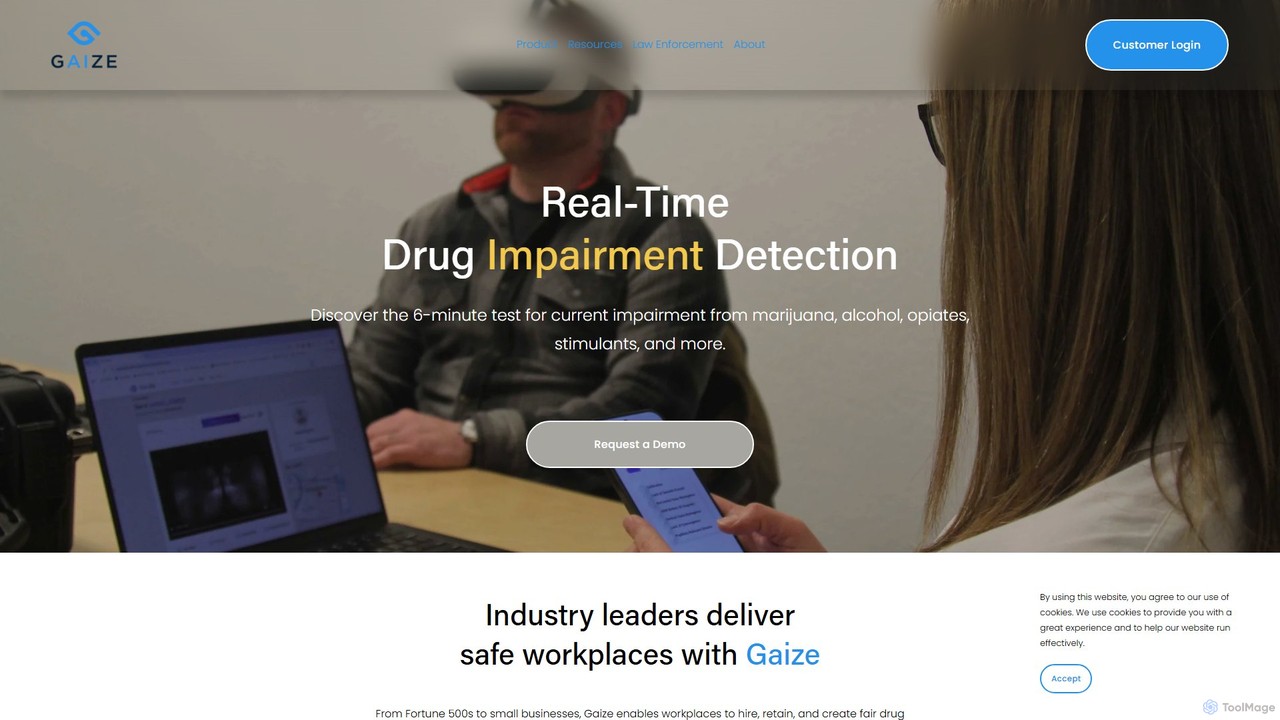
Gaize is an AI-powered impairment detection platform designed for workplace safety. It uses a rapid, 6-minute automated eye …

10.1K

About Health & Safety

Health & Safety AI tools are a class of AI-powered applications designed to monitor, predict, and manage risks related to human well-being and environmental security. These tools leverage advanced algorithms, machine learning, and data analytics to enhance preventive measures, optimize emergency responses, and personalize health management. They provide proactive insights and automated solutions to create safer environments and improve health outcomes across various sectors.

Core Features

  • Predictive Analytics: Analyzing vast datasets to forecast potential health issues, safety incidents, or equipment failures before they occur.
  • Real-time Monitoring: Continuously tracking vital signs, environmental conditions, or operational parameters to detect anomalies and alert stakeholders instantly.
  • Risk Assessment & Mitigation: Identifying hazards, evaluating their impact, and recommending strategies to reduce or eliminate risks in workplaces or public spaces.
  • Personalized Wellness Coaching: Offering tailored advice and interventions based on individual health data, lifestyle, and goals.
  • Automated Compliance & Reporting: Streamlining the process of adhering to regulations and generating necessary safety or health reports.

Applicable Scenarios

Workplace Safety Management: Companies use AI to monitor hazardous environments, predict equipment malfunctions, and ensure worker compliance with safety protocols, reducing accidents and improving operational efficiency. Personalized Health Monitoring: Individuals utilize AI wearables and apps to track fitness, sleep patterns, heart rate, and other vital signs, receiving personalized health insights and early warnings for potential issues. Public Health Surveillance: Governments and health organizations deploy AI to analyze disease outbreaks, track population health trends, and optimize resource allocation during health crises.

How to Choose

When selecting Health & Safety AI tools, consider the specific risks you aim to mitigate and the health outcomes you wish to improve. Evaluate the tool's data accuracy, its ability to integrate with existing systems, and the level of customization offered for your unique needs. Prioritize solutions with robust data privacy and security features, clear regulatory compliance, and a user-friendly interface for effective adoption.

Health & SafetyUse Cases

1

Predictive Maintenance for Industrial Safety

Industrial plant managers use AI-powered sensors and analytics to monitor machinery health in real-time. By analyzing vibration, temperature, and performance data, the AI predicts potential equipment failures before they occur, triggering proactive maintenance. This prevents costly downtime, reduces the risk of accidents caused by equipment malfunction, and ensures a safer working environment for employees, significantly cutting operational risks and maintenance costs.

2

Personalized Chronic Disease Management

Individuals with chronic conditions like diabetes or hypertension leverage AI-driven health platforms. These tools integrate data from wearables, medical records, and user input to provide personalized insights into blood glucose levels, blood pressure trends, and medication adherence. The AI offers tailored dietary recommendations, exercise plans, and alerts for abnormal readings, empowering users to actively manage their health and reduce the likelihood of complications.

3

Workplace Ergonomics and Injury Prevention

Office managers and safety officers deploy AI vision systems to analyze employee posture and movement during work tasks. The AI identifies ergonomic risks, such as prolonged static postures or repetitive strain, and provides real-time feedback or suggestions for adjustments. This proactive approach helps prevent musculoskeletal injuries, improves employee comfort and productivity, and reduces long-term healthcare costs for the organization.

4

Emergency Response Optimization

Emergency services utilize AI to optimize resource deployment during critical incidents like natural disasters or large-scale accidents. By analyzing real-time data from traffic, weather, social media, and incident reports, the AI predicts the most efficient routes for first responders and allocates personnel and equipment based on immediate needs. This significantly reduces response times, minimizes casualties, and enhances overall public safety.

5

Mental Wellness Support for Employees

Human Resources departments implement AI-powered mental wellness applications for employees. These tools offer confidential, personalized support through conversational AI, guided meditation, and mood tracking. The AI can identify patterns of stress or burnout and suggest coping strategies or recommend professional resources, fostering a healthier work environment and improving employee well-being and retention.

6

Food Safety and Supply Chain Monitoring

Food manufacturers and distributors employ AI to monitor the entire food supply chain for potential contamination or spoilage risks. AI analyzes data from temperature sensors, humidity levels, and logistics records to predict and identify points of vulnerability. This ensures product integrity, prevents foodborne illnesses, and helps companies comply with stringent food safety regulations, protecting consumer health and brand reputation.

Health & SafetyFrequently Asked Questions