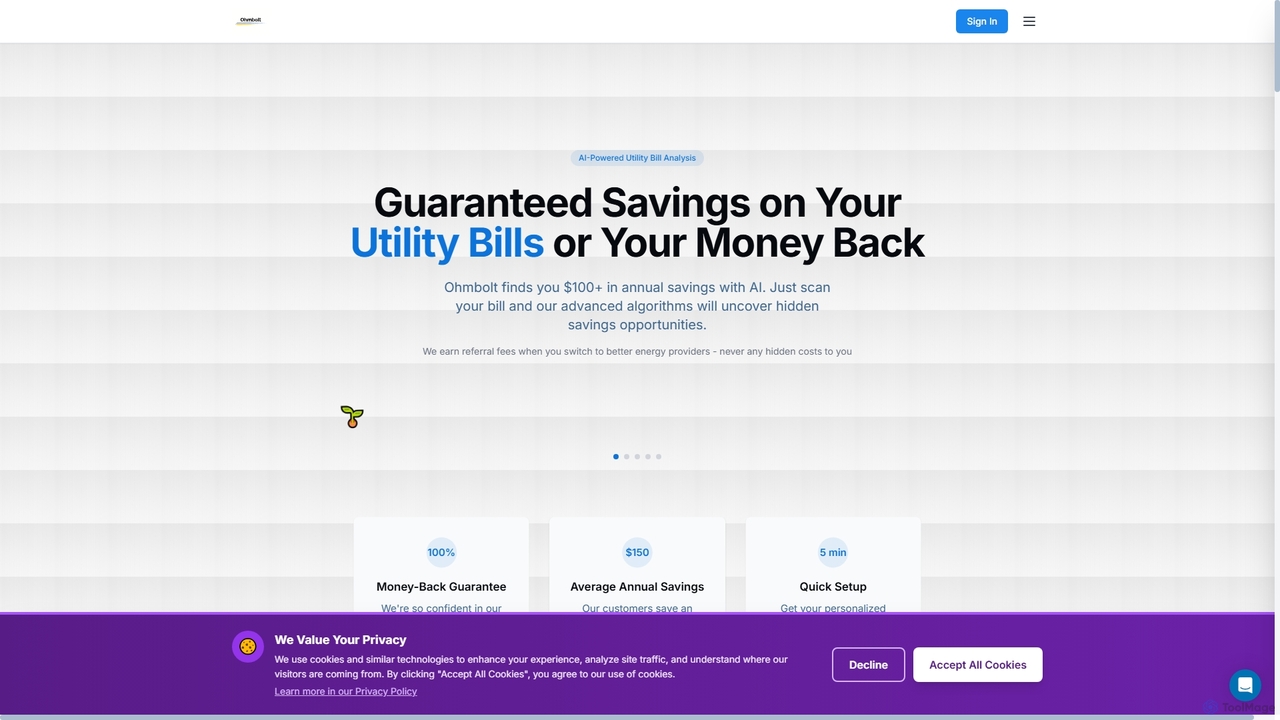
Energy Optimization tools are AI-powered solutions within the broader Home Automation category, designed to intelligently monitor, analyze, and control energy consumption in residential and commercial settings. These tools leverage machine learning to identify patterns, predict usage, and automate adjustments, leading to significant reductions in utility costs and environmental impact. They provide a proactive approach to managing energy, moving beyond simple scheduling to dynamic, data-driven efficiency.
Core Features
- Real-time Energy Monitoring: Provides instant insights into electricity, gas, and water usage across various devices and zones.
- Predictive Analytics: Uses historical data and external factors (like weather) to forecast future energy demand and optimize consumption proactively.
- Automated Device Control: Integrates with smart thermostats, lighting, and appliances to automatically adjust settings for maximum efficiency.
- Anomaly Detection: Identifies unusual energy spikes or leaks, alerting users to potential issues or faulty equipment.
- Renewable Energy Integration: Optimizes the use of solar panels, battery storage, and EV charging based on generation, consumption, and grid prices.
Applicable Scenarios
Homeowners seeking to reduce their monthly utility bills and carbon footprint can use these tools to automate climate control and appliance usage. Facility managers in smart buildings deploy them to optimize HVAC systems, lighting, and equipment schedules across large complexes. Businesses can also leverage these solutions to manage energy consumption in offices, retail spaces, and industrial facilities, ensuring compliance with sustainability goals.
How to Choose
When selecting an Energy Optimization tool, consider its compatibility with your existing smart home or building infrastructure, including specific devices and platforms. Evaluate the depth of its monitoring and reporting capabilities, looking for granular data and actionable insights. Assess the level of automation and customization offered, ensuring it meets your specific needs for control and flexibility. Finally, review data privacy policies and the tool's ability to integrate with renewable energy sources if applicable.