Data Analysis Best in category 1 results Cost Reduction AI Tool

Popular AI tools in the Cost Reduction field of Data Analysis include Ohmbolt, etc., helping you quickly improve efficiency.

Ohmbolt

Ohmbolt

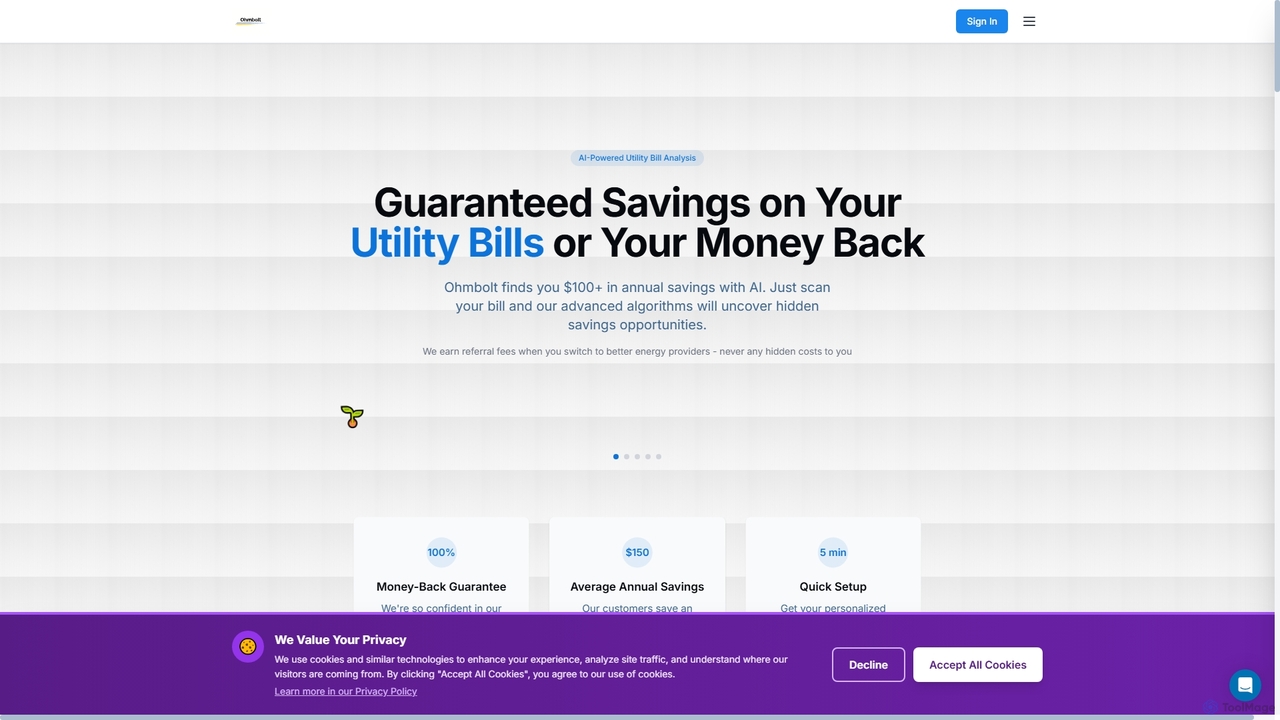
Ohmbolt is an AI-powered utility bill analysis tool that guarantees to find $100+ in annual savings on your …

2.3K

About Cost Reduction

Cost Reduction tools are AI-powered solutions designed to analyze vast datasets, identify inefficiencies, and recommend actionable strategies to minimize operational expenses and enhance financial performance. Leveraging machine learning, predictive analytics, and optimization algorithms, these tools uncover hidden cost drivers, forecast future expenditures, and optimize resource allocation. They empower businesses to move beyond reactive cost management, enabling proactive decision-making for sustainable savings across various departments.

Core Features

  • Expense Anomaly Detection: Automatically identifies unusual spending patterns, potential fraud, or budget deviations.
  • Predictive Cost Modeling: Forecasts future expenses and revenue impacts based on historical data, market trends, and operational changes.
  • Resource Optimization: Recommends optimal allocation of labor, materials, energy, and IT resources to minimize waste and maximize efficiency.
  • Supplier Negotiation Analysis: Provides data-driven insights to strengthen negotiation positions with vendors and identify cost-effective procurement options.
  • Process Efficiency Analysis: Pinpoints bottlenecks and inefficiencies within operational workflows that contribute to inflated costs.

Applicable Scenarios

These tools are invaluable for manufacturing firms optimizing production lines, logistics companies streamlining supply chains, and service businesses enhancing customer support operations. They help identify areas for savings in energy consumption, inventory management, and human resource allocation, driving significant financial improvements.

How to Choose

When selecting a Cost Reduction AI tool, consider its data integration capabilities with existing ERP, CRM, and financial systems. Evaluate the analytical depth, including the range of algorithms and customization options for specific business needs. Assess the clarity and customizability of reporting and visualization dashboards for actionable insights. Finally, ensure scalability and performance to handle growing data volumes and complex analyses.

Cost ReductionUse Cases

1

Optimizing Supply Chain Logistics

Logistics managers utilize AI Cost Reduction tools to analyze historical shipping data, fuel prices, route efficiency, and warehouse utilization. The AI suggests optimal routes, consolidation points, and inventory levels, minimizing transportation and storage expenses. This leads to significant reductions in logistics overhead and improved delivery times.

2

Identifying Energy Consumption Hotspots

Facilities managers in large commercial buildings or factories deploy AI to monitor real-time energy usage from various sensors. The system identifies peak consumption periods, inefficient equipment, and potential leaks, then recommends scheduling adjustments or equipment upgrades. This proactively decreases utility bills and supports sustainability goals.

3

Streamlining Customer Service Operations

Customer service directors leverage AI to analyze call center data, including call duration, resolution rates, and agent performance. The AI identifies common issues suitable for automation via chatbots, optimizes staffing levels, and suggests improvements in agent training. This reduces labor costs per interaction while maintaining or enhancing service quality.

4

Predictive Maintenance for Equipment

Operations managers in manufacturing use AI to analyze sensor data (vibration, temperature, pressure) from machinery. The AI predicts potential equipment failures before they occur, enabling scheduled maintenance during off-peak hours rather than costly, reactive emergency repairs. This minimizes downtime, extends equipment lifespan, and reduces maintenance expenses.

5

Optimizing Marketing Spend Allocation

Marketing directors employ AI to analyze campaign performance across different channels, audience segments, and creative assets. The AI identifies underperforming areas and recommends optimal budget allocation to channels and campaigns with the highest conversion potential. This improves marketing efficiency, maximizes ROI, and reduces wasted ad spend.

6

Fraud Detection in Financial Transactions

Risk analysts in financial services utilize AI to continuously monitor transaction data for anomalies, unusual patterns, and deviations from normal behavior. The AI flags suspicious activities in real-time for investigation, thereby preventing significant financial losses due to fraudulent transactions, chargebacks, and regulatory fines.

Cost ReductionFrequently Asked Questions