ToolMage
Sign in

Best 5 Home AI tools

Popular Home AI tools include Mill, Personalized.energy, Dishi, SmartStow, and ElevenApril, helping you work more efficiently.

SmartStow
Freemium

SmartStow

SmartStow is an innovative mobile application that simplifies item organization and tracking through voice recording. It allows users to verbally log where they store belongings, creating a searchable digital inventory. Say it, stow it, find it – SmartStow ensures you never lose track of your possessions again, making home management and moving stress-free.

Inventory Management
Visits 3.5KFavorites 90Likes 79
ElevenApril

ElevenApril

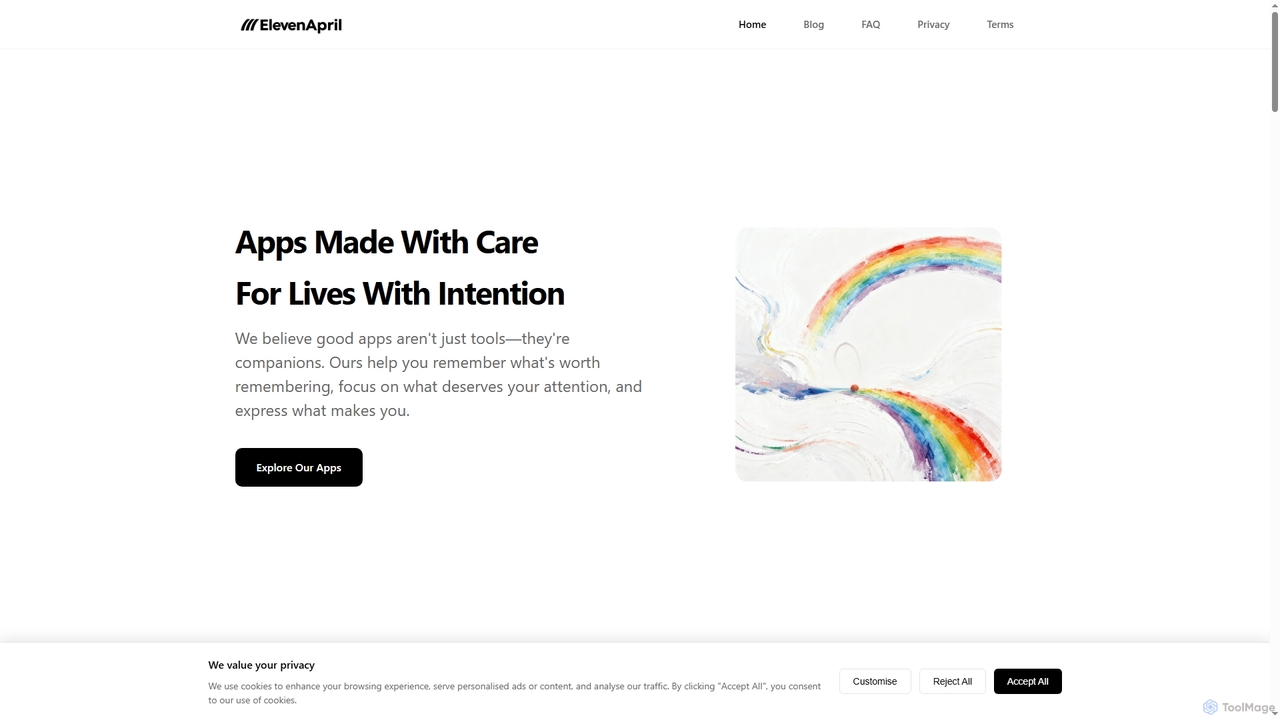
ElevenApril develops privacy-first iOS applications designed for intentional living, enhancing productivity, organization, and well-being. Their suite includes tools like 3ThingsPal for focused task management, DishPal for AI-powered grocery list generation, and BucketPal for goal tracking, all built with a strong emphasis on user privacy and a calm, clear user experience.

Recipe Management
Visits 3.4KFavorites 97Likes 107
Personalized.energy
Free

Personalized.energy

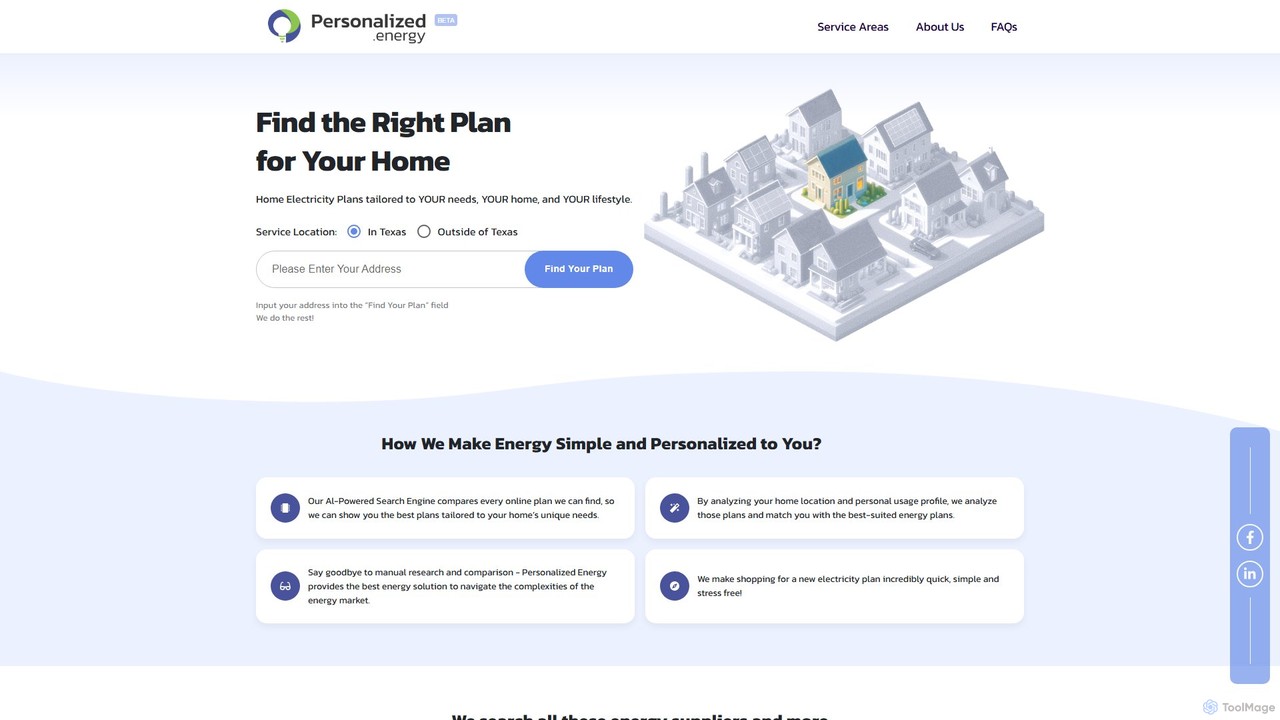
Personalized.energy is an AI-powered platform that simplifies finding the best home electricity plan. By analyzing your address and energy usage profile, it compares numerous suppliers to provide personalized, 'apples-to-apples' recommendations, helping you save time and money in deregulated energy markets.

Personal Finance
Visits 8.1KFavorites 121Likes 139
Dishi
Freemium

Dishi

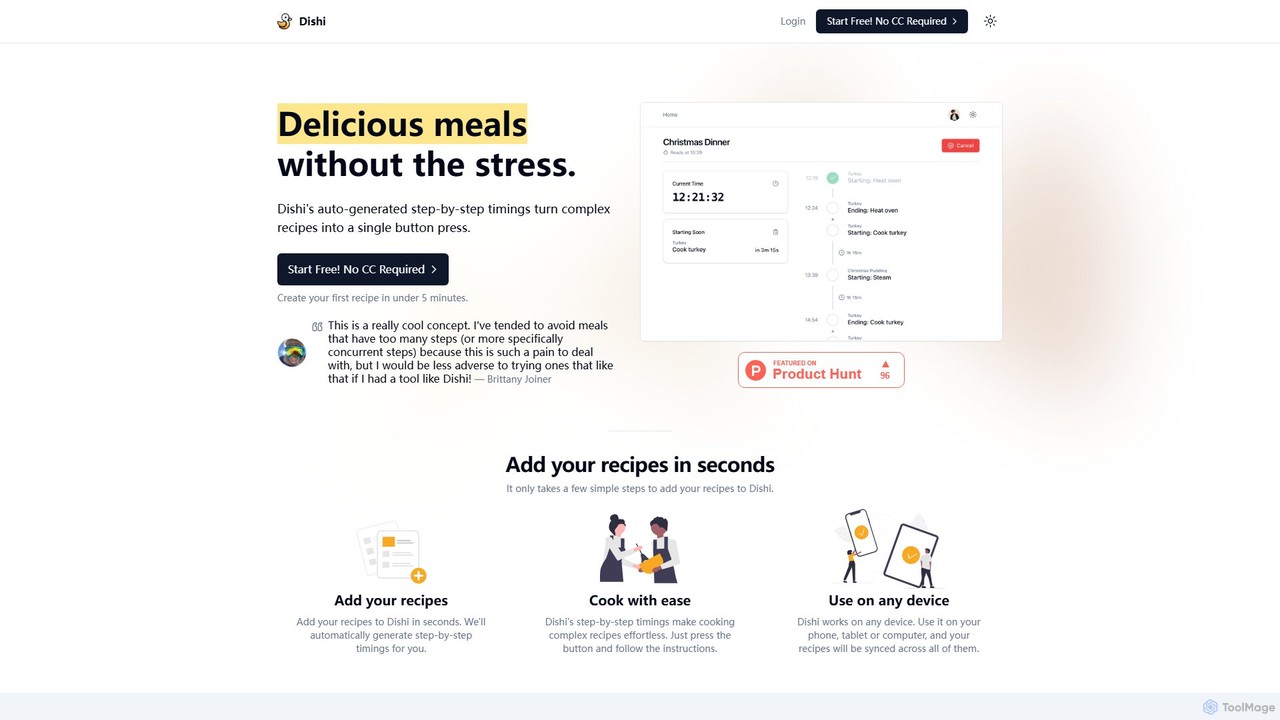
Dishi is an AI-powered meal prep timer that simplifies cooking complex recipes. It automatically generates synchronized, step-by-step instructions, ensuring multiple dishes are ready simultaneously. Just add your recipes, and Dishi creates a simple, guided cooking plan, eliminating the stress of managing concurrent tasks. Perfect for home cooks of all skill levels, it makes preparing elaborate meals effortless and enjoyable.

Kitchen
Visits 5.1KFavorites 115Likes 122
Mill
Paid

Mill

Mill is an intelligent, odorless food recycler for your kitchen. It automatically dries, shrinks, and grinds your food scraps overnight, reducing their volume by 80%. The resulting nutrient-rich grounds can be used for your garden, as chicken feed, or sent back to Mill to nourish partner farms. It's a smart, sustainable solution to eliminate kitchen waste, smells, and pests.

Composting
Visits 235.6KFavorites 105Likes 99

About Home

AI-powered tools are innovative software solutions that leverage artificial intelligence and machine learning to automate tasks, generate content, analyze data, and enhance decision-making. These advanced applications are designed to augment human capabilities across various domains, from creative industries and personal productivity to complex business operations and scientific research. They offer significant value by streamlining workflows, improving accuracy, and unlocking new possibilities for innovation, enabling users to achieve more with less effort and greater precision.

Core Features

  • Automation: Automates repetitive tasks, saving time and reducing manual effort across various workflows.
  • Content Generation: Creates diverse content formats like text, images, audio, and video from prompts or data.
  • Data Analysis: Processes large datasets to extract insights, identify patterns, and predict future trends.
  • Personalization: Tailors user experiences, recommendations, and content based on individual preferences and behaviors.
  • Intelligent Interaction: Enables natural language communication through advanced chatbots and voice assistants.

Use Cases

AI tools are widely adopted across diverse sectors. Content creators utilize them for generating article drafts or image concepts, while marketing teams employ AI for personalized campaign optimization and audience segmentation. Businesses leverage AI for automating customer support, analyzing market trends, and enhancing operational efficiency, driving innovation and competitive advantage.

How to Choose

Selecting the right AI tool involves evaluating several factors. Consider the specific problem you need to solve and the tool's core functionalities, ensuring they align with your objectives. Assess its ease of integration with existing workflows, the learning curve for your team, and the scalability of its features. Finally, compare pricing models and review user feedback to ensure it aligns with your budget and performance expectations for long-term value.

Featured tool rankings

Home use cases

1

Generating Marketing Copy and Visuals

Marketing professionals can use AI content generators to quickly produce engaging ad copy, social media posts, and blog outlines. AI image tools assist in creating unique visuals or variations for campaigns, significantly reducing design time and accelerating content deployment across various platforms. This allows for rapid A/B testing and optimized campaign performance.

2

Automating Customer Support Interactions

Businesses deploy AI chatbots and virtual assistants to handle routine customer inquiries 24/7, providing instant responses to FAQs, guiding users through processes, and resolving common issues. This frees up human agents to focus on complex problems, improving overall customer satisfaction and reducing operational costs by streamlining support channels.

3

Personalized Learning and Skill Development

Students and professionals leverage AI-powered learning platforms to receive tailored educational content, adaptive quizzes, and personalized feedback. These tools identify individual learning gaps and strengths, recommending specific resources and pathways to optimize skill acquisition and academic performance, making learning more efficient and engaging.

4

Streamlining Data Analysis for Business Insights

Data analysts and business strategists utilize AI tools to process vast datasets, identify complex patterns, and generate predictive models. These tools can uncover market trends, forecast sales, and detect anomalies, providing actionable insights that inform strategic decision-making and drive business growth, far beyond manual analysis capabilities.

5

Enhancing Software Development Efficiency

Developers employ AI code assistants to generate code snippets, suggest improvements, and identify potential bugs in real-time. This accelerates the coding process, reduces errors, and allows developers to focus on higher-level architectural design and complex problem-solving, leading to faster development cycles and more robust software.

6

Creating Unique Art and Design Concepts

Artists and designers use AI image generators to explore diverse visual styles, generate concept art, or create variations of existing designs. By inputting textual prompts, they can rapidly iterate on ideas, overcome creative blocks, and produce unique visual assets for projects ranging from digital art to product design, expanding creative possibilities.

Home FAQ

What are AI-powered tools?

AI-powered tools are software applications that integrate artificial intelligence and machine learning algorithms to perform tasks that typically require human intelligence. They can learn from data, recognize patterns, make predictions, and automate complex processes. These tools encompass a wide range of functionalities, from generating creative content and analyzing vast datasets to automating customer service interactions and optimizing business operations, fundamentally transforming how we work and interact with technology.

How do AI tools benefit individuals and businesses?

AI tools offer numerous benefits by significantly enhancing efficiency, accuracy, and innovation. For individuals, they can automate repetitive tasks, personalize learning experiences, and assist in creative endeavors. Businesses leverage AI to streamline operations, gain deeper insights from data, improve customer engagement through intelligent chatbots, and develop new products and services. Ultimately, AI tools empower users to achieve more, make better decisions, and unlock new growth opportunities by augmenting human capabilities.

What are the main types of AI tools available?

The landscape of AI tools is vast and constantly evolving, but some main types include:

  • Generative AI tools: For creating text, images, audio, and video (e.g., AI writers, image generators).
  • Conversational AI tools: For natural language interaction (e.g., chatbots, virtual assistants).
  • Data Analysis AI tools: For processing and interpreting large datasets, identifying patterns, and making predictions.
  • Automation AI tools: For automating workflows and repetitive tasks across various industries.
  • Predictive AI tools: For forecasting trends and outcomes based on historical data.
These categories often overlap, with many tools offering a combination of functionalities.

How should one choose the right AI tool for their needs?

Choosing the right AI tool requires careful consideration of several factors. First, clearly define the specific problem you aim to solve or the task you want to automate. Evaluate the tool's core functionalities and ensure they align with your requirements. Consider its ease of use, integration capabilities with your existing software ecosystem, and the level of technical expertise required. Additionally, assess the pricing model, scalability, and the quality of customer support. Reading user reviews and trying free trials can also provide valuable insights before making a commitment.

Are AI tools difficult to learn and use?

The learning curve for AI tools varies significantly depending on their complexity and intended audience. Many modern AI tools are designed with user-friendly interfaces, making them accessible even for users without technical backgrounds. These often feature intuitive drag-and-drop functionalities or simple prompt-based interactions. However, more specialized AI tools, particularly those for data science or advanced development, may require a deeper understanding of AI concepts or programming. Most tools offer comprehensive documentation, tutorials, and community support to help users get started and master their features.