Hospitality Best in category 2 results Guest Experience AI Tool

Popular AI tools in the Guest Experience field of Hospitality include viqal、Wetime, etc., helping you quickly improve efficiency.

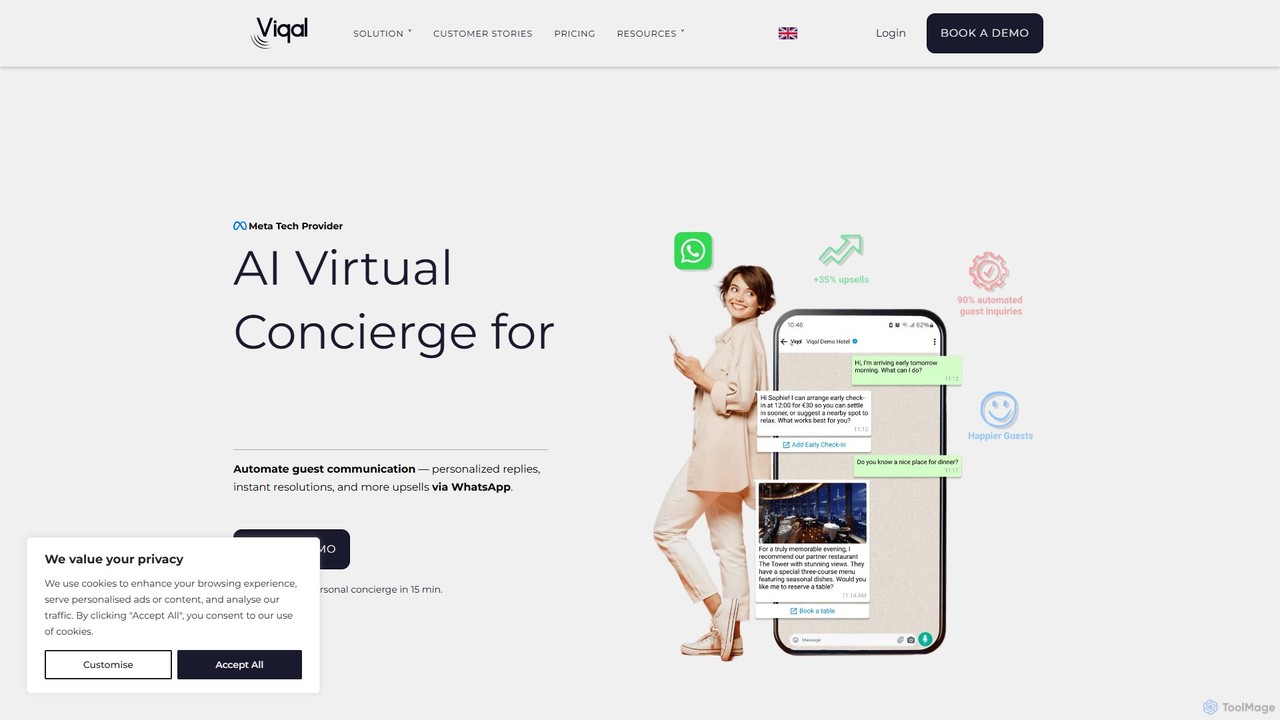
viqal

viqal

viqal is an AI-powered virtual concierge for the hospitality industry. It automates guest communication via WhatsApp, handling everything …

4.4K
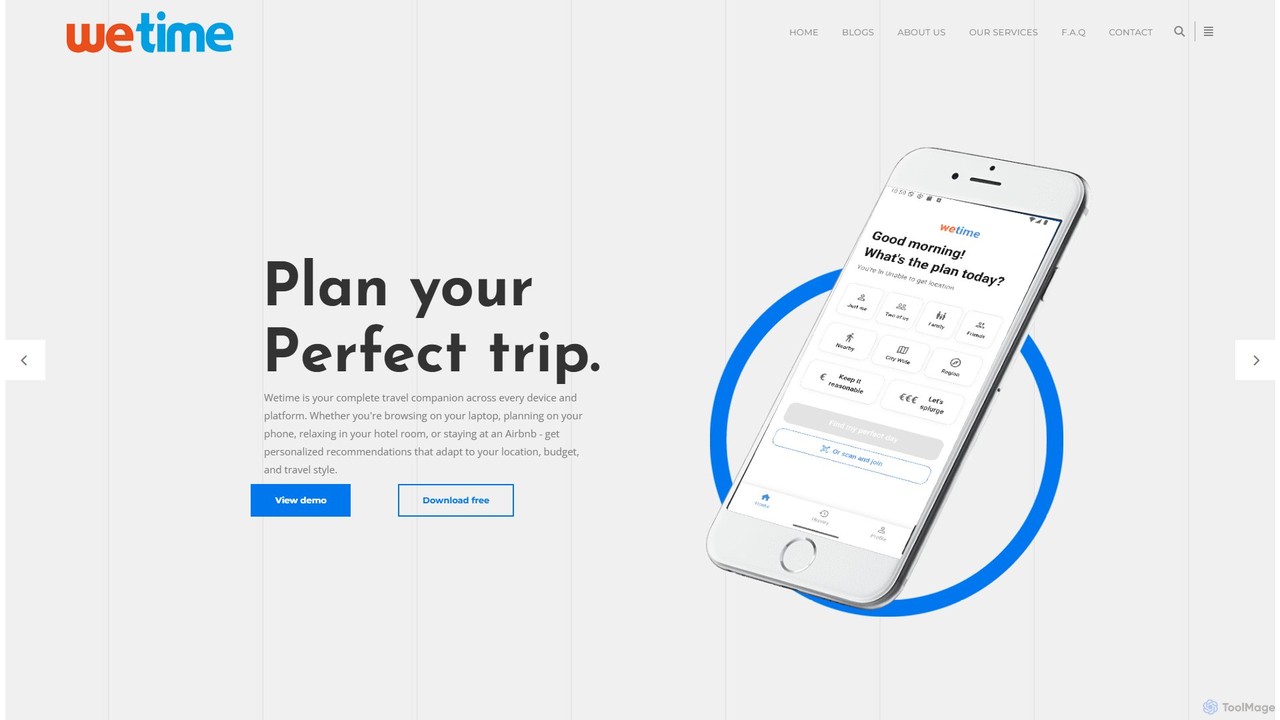
Wetime

Wetime

Wetime is an AI-powered travel companion that delivers personalized trip recommendations for travelers and provides seamless integration solutions …

3.3K

About Guest Experience

AI Guest Experience tools are a specialized category of software designed to personalize and automate interactions throughout the entire guest journey. These tools leverage natural language processing (NLP) and machine learning to understand guest needs, anticipate requests, and deliver seamless service from pre-arrival to post-stay. Their primary value lies in creating highly tailored, responsive, and memorable experiences that increase satisfaction and loyalty. By analyzing guest data and behavior, these platforms can power everything from intelligent chatbots to smart room automation.

Core Features

  • AI-Powered Communication: Automates personalized messaging, answers inquiries 24/7, and sends relevant offers via chatbots or virtual assistants.
  • Digital Concierge Services: Allows guests to make requests, book amenities, and get local recommendations through a digital interface.
  • Sentiment Analysis: Monitors guest feedback from reviews, surveys, and social media in real-time to identify and address issues proactively.
  • Personalization Engine: Uses guest data to customize room settings, entertainment options, and marketing messages.
  • Predictive Analytics: Forecasts guest needs and behavior to offer proactive service, such as suggesting a late check-out or a favorite drink.

Use Cases

These tools are primarily used by hotels, resorts, vacation rentals, and cruise lines to differentiate their service. A hotel manager might use them to automate responses to common questions, freeing up front desk staff. A marketing team could leverage them to send targeted promotions based on a guest's past stay history, enhancing engagement and driving repeat bookings.

How to Choose

When selecting an AI Guest Experience tool, consider its integration capabilities with your existing Property Management System (PMS) and CRM. Evaluate the sophistication of its AI, particularly its language support and ability to understand complex queries. Also, assess the level of customization available for branding and workflows, and ensure the platform complies with data privacy regulations like GDPR.

Guest ExperienceUse Cases

1

Automating Pre-Arrival Guest Communication

A hotel operations manager uses an AI Guest Experience tool to streamline communication before guests check in. The system automatically sends a personalized welcome email three days before arrival, confirming booking details and offering paid upgrades like a room with a view or early check-in. A day before arrival, an AI chatbot sends a text message with a link for mobile check-in and answers common questions about parking or amenities. This process reduces front desk workload and creates a welcoming first impression, while also generating ancillary revenue through automated upsells.

2

Providing 24/7 AI-Powered Concierge Services

A guest at a resort, at 11 PM, uses the hotel's mobile app to ask an AI concierge, "Where can I get a late-night snack?" The AI instantly provides a list of nearby 24-hour restaurants and the hotel's room service menu. The guest then uses the same interface to order room service and book a spa appointment for the next day. This provides immediate, round-the-clock service without requiring human staff, enhancing guest convenience and satisfaction. It also captures service requests digitally, allowing for better tracking and analysis of guest preferences.

3

Analyzing Guest Feedback for Service Improvement

A hotel chain's corporate office uses an AI platform to analyze thousands of online reviews and post-stay surveys from all its properties. The AI's sentiment analysis identifies recurring negative themes, such as "slow check-in process" at a specific location or "outdated gym equipment" across multiple hotels. The system generates a dashboard with actionable insights, allowing management to prioritize capital expenditures and operational training where they are most needed. This data-driven approach helps the chain systematically improve its service quality and brand reputation across its entire portfolio.

4

Personalizing the In-Room Experience

For a returning guest, an AI-powered system integrated with the room controls automatically sets the temperature, lighting, and TV channel to their preferences from a previous stay. The in-room smart speaker, powered by a hospitality-focused AI, greets the guest by name and suggests activities based on their profile (e.g., family-friendly attractions for a family, or quiet bars for a business traveler). This level of hyper-personalization creates a 'home away from home' feeling, significantly boosting guest loyalty and encouraging direct bookings for future stays.

5

Proactively Resolving In-Stay Issues

A guest posts a tweet mentioning the hotel's handle and complaining about a noisy air conditioner. An AI sentiment analysis tool instantly flags the negative mention and creates a high-priority ticket in the hotel's maintenance system. The front desk manager is alerted and dispatches an engineer to the guest's room within minutes. The manager then follows up with the guest via their preferred communication channel to confirm the issue is resolved. This proactive service recovery turns a potential negative review into a positive experience, demonstrating attentive care to the guest.

6

Driving Ancillary Revenue with Targeted Offers

A marketing manager at a city hotel uses an AI tool to analyze guest data. The system identifies a segment of guests who have previously booked spa services. Two weeks before their upcoming stay, the AI automatically sends them a targeted email offering a 15% discount on a new spa package. It also identifies business travelers staying mid-week and sends them a push notification via the hotel app about a happy hour special at the hotel bar. This personalized and timely marketing increases the uptake of ancillary services, boosting the hotel's overall revenue per available room (RevPAR).

Guest ExperienceFrequently Asked Questions