Humanresources Best in category 1 results Recruitment AI Tool

Popular AI tools in the Recruitment field of Humanresources include TalentReview, etc., helping you quickly improve efficiency.

TalentReview

TalentReview

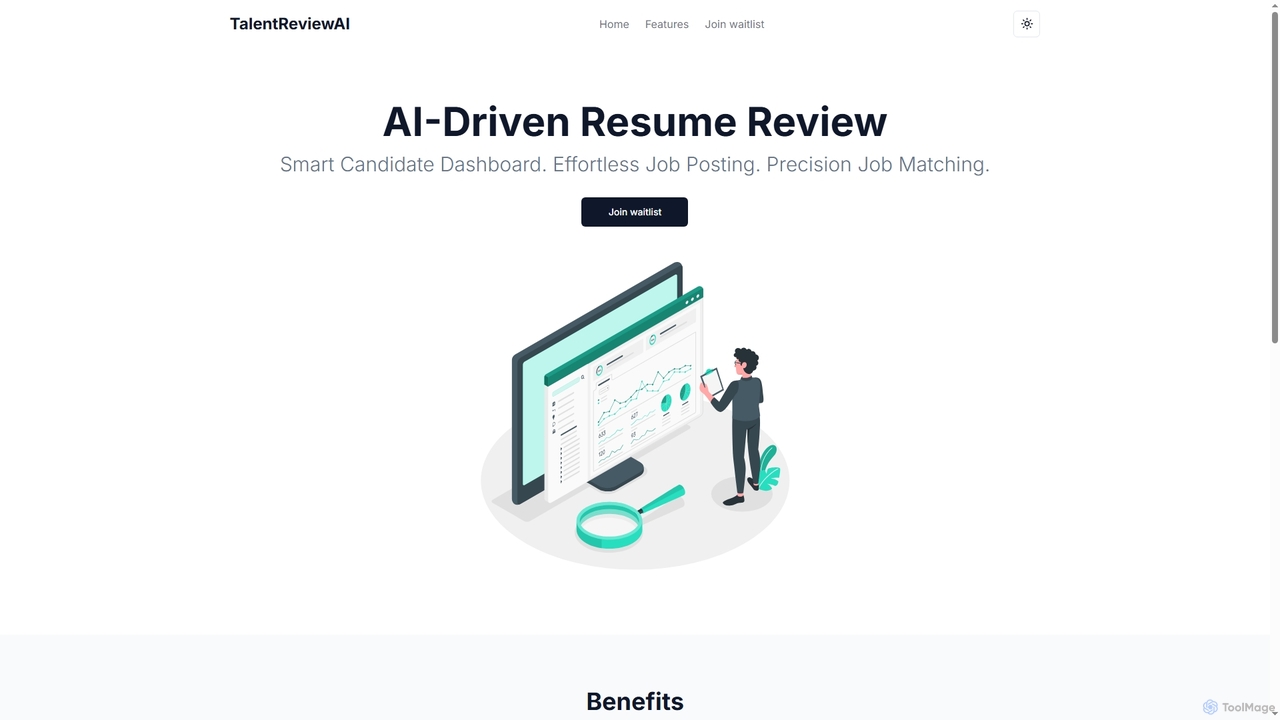
TalentReview is an AI-powered platform designed to streamline the hiring process for businesses. It offers AI-driven resume review, …

12.9K

About Recruitment

Recruitment AI tools are specialized artificial intelligence applications designed to automate and enhance various stages of the talent acquisition process. Leveraging machine learning, natural language processing, and predictive analytics, these tools streamline everything from candidate sourcing and screening to interview scheduling and onboarding. They aim to improve hiring efficiency, reduce unconscious bias, and enhance the overall candidate experience, allowing human recruiters to focus on strategic decision-making and human interaction.

Core Features

  • Automated Candidate Sourcing: Scans vast databases and online platforms to identify potential candidates matching specific job criteria.
  • AI-Powered Resume Screening: Analyzes resumes for keywords, skills, and experience, ranking candidates and shortlisting the most relevant ones.
  • Intelligent Interview Scheduling: Automates the coordination of interviews, finding optimal times for candidates and hiring managers.
  • Candidate Engagement Chatbots: Provides instant answers to candidate queries, guides them through the application process, and offers updates.
  • Bias Reduction Algorithms: Identifies and mitigates potential biases in job descriptions, resume screening, and candidate assessments.

Applicable Scenarios

AI recruitment tools are invaluable for organizations facing high volume hiring, specialized talent searches, or those committed to diversity and inclusion. Human Resources departments and talent acquisition teams in large enterprises, fast-growing startups, and recruitment agencies utilize these tools to accelerate their hiring cycles, improve candidate quality, and reduce operational costs. They are particularly effective in industries with high turnover or a constant need for specific skill sets, such as IT, healthcare, and retail.

How to Choose

When selecting an AI recruitment tool, consider its integration capabilities with existing HRIS or ATS systems to ensure seamless data flow. Evaluate the specific features offered, such as the depth of resume analysis, the sophistication of candidate matching, and the level of automation for scheduling. Assess the tool's commitment to ethical AI and bias reduction, as well as its scalability to meet future hiring demands. Finally, review user-friendliness and the quality of customer support to ensure smooth adoption and effective utilization.

RecruitmentUse Cases

1

Automating High-Volume Candidate Sourcing

For large enterprises or recruitment agencies, AI recruitment tools automatically scour job boards, professional networks, and internal databases to identify and engage a broad pool of qualified candidates. This significantly reduces the manual effort of finding suitable applicants for roles with high turnover or frequent openings, ensuring a continuous pipeline of talent.

2

Streamlining Resume Screening and Shortlisting

Talent acquisition specialists use AI to rapidly analyze hundreds or thousands of resumes against specific job requirements. The AI identifies relevant skills, experience, and qualifications, ranking candidates and generating a concise shortlist, thereby saving countless hours of manual review and ensuring objective evaluation.

3

Enhancing Candidate Experience with AI Chatbots

Job applicants interact with AI-powered chatbots on career pages or during the application process to get instant answers to FAQs, check application status, or receive guidance. This provides 24/7 support, improves communication efficiency, and creates a positive, responsive experience for potential hires.

4

Optimizing Interview Scheduling and Logistics

Hiring managers and HR coordinators leverage AI tools to automate the complex process of scheduling interviews. The AI considers availability across multiple calendars (candidates, interviewers, rooms) and proposes optimal times, sending automated invitations and reminders, drastically reducing administrative overhead and scheduling conflicts.

5

Reducing Unconscious Bias in Hiring Decisions

Organizations committed to diversity and inclusion employ AI to analyze job descriptions for biased language and to anonymize candidate information during initial screening. This helps ensure that candidates are evaluated solely on their qualifications and potential, fostering a more equitable and diverse workforce.

6

Predicting Candidate Success and Retention

HR analytics teams utilize AI to analyze historical hiring data, identifying patterns that correlate with successful hires and long-term retention. This allows recruiters to make more informed decisions, focusing on candidates who are not only qualified but also likely to thrive and stay within the organization, improving overall talent quality.

RecruitmentFrequently Asked Questions