WigglePet
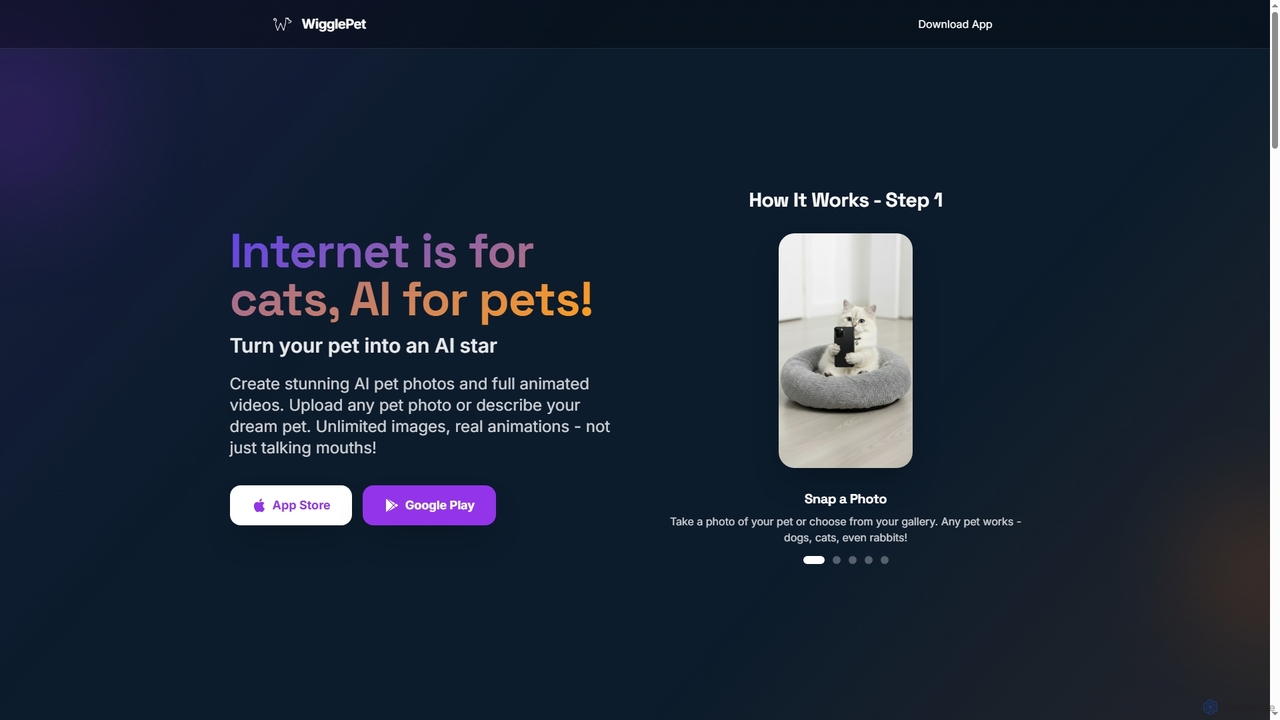
WigglePet is an innovative AI tool that transforms your pet's photos into engaging animated videos, lifelike talking and …
WigglePet is an innovative AI tool that transforms your pet's photos into engaging animated videos, lifelike talking and singing performances, and artistic portraits or avatars. Easily create viral-ready content for social media, personalized digital art, and unique pet memorials with full-body animations.
Q Bot
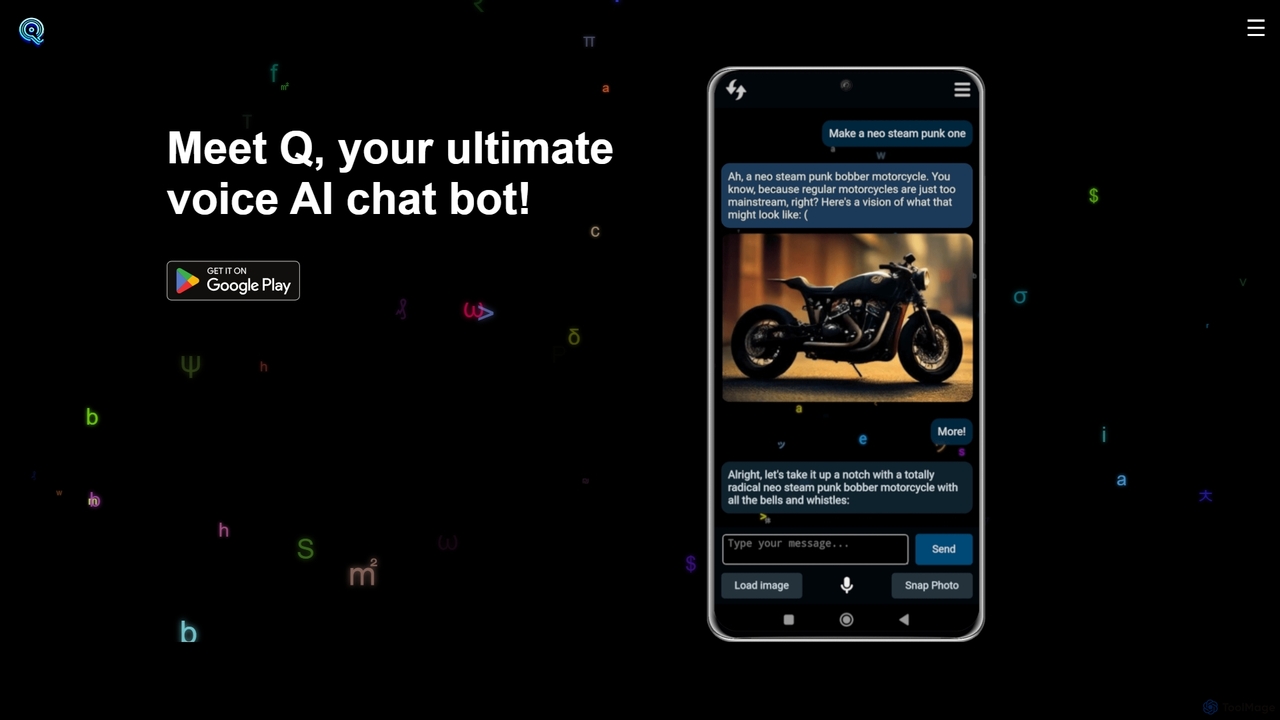
Meet Q, a multi-modal AI companion powered by GPT-4o. Engage in natural voice conversations, generate stunning images from …
Meet Q, a multi-modal AI companion powered by GPT-4o. Engage in natural voice conversations, generate stunning images from text, analyze photos with advanced computer vision, and create interactive stories. Q offers a highly personalized experience with customizable personas, all completely free with no subscriptions or sign-ups.
About Art
AI Art generators are specialized tools within image generation that focus on creating visually expressive and stylistic artwork. They utilize advanced generative models to interpret text prompts or reference images, producing unique pieces in styles ranging from classical painting to futuristic digital art. These tools empower artists, designers, and enthusiasts to rapidly visualize creative concepts, explore diverse aesthetics, and generate high-quality illustrations. Their strength lies in translating abstract ideas into compelling artistic visuals with fine-tuned control over style and composition.
Core Features
- Style Mimicry & Transfer: Applies the aesthetic of a specific artist, movement, or image to a new creation.
- Advanced Prompt Interpretation: Understands complex, abstract, and artistic language to generate nuanced visuals.
- Compositional Controls: Offers parameters to adjust elements like aspect ratio, camera angles, and character posing.
- Iterative Variation: Generates multiple artistic variations from a single prompt for creative exploration.
- Custom Model Training: Allows users to train the AI on their own set of images to create a unique, personal style.
Use Cases
AI Art generators are widely used by digital artists for concept art and inspiration, game developers for creating character and environment mockups, and content creators for producing unique visuals for social media and marketing campaigns. They are also popular among NFT artists for generating large collections of unique digital assets and hobbyists exploring creative expression.
How to Choose
When selecting an AI Art generator, consider the diversity of available art styles and the model's ability to interpret nuanced prompts. Evaluate the level of control offered, such as negative prompts, image-to-image editing, and fine-tuning parameters. Also, check the maximum output resolution, commercial usage rights, and the strength of the community for shared prompts and guidance.
ArtUse Cases
Concept Art for Game Development
A game designer needs to establish the visual style for a new fantasy world. Instead of spending weeks on manual sketches, they use an AI Art generator. By inputting detailed prompts like 'ethereal floating islands with bioluminescent flora, in the style of Studio Ghibli, watercolor aesthetic,' the designer can generate dozens of high-quality concept images in hours. This allows the team to quickly iterate on visual ideas, finalize the art direction, and provide a clear visual brief for 3D modelers, saving significant time and resources in the pre-production phase.
Generating Unique NFT Collections
An NFT artist wants to launch a collection of 10,000 unique character portraits. Manually creating each one is unfeasible. The artist first designs a base character and several traits (e.g., different hats, glasses, backgrounds). Using an AI Art generator with scripting capabilities, they can programmatically combine these traits and apply stylistic variations, such as 'cyberpunk neon glow' or 'impressionist oil painting'. The AI generates the entire collection, ensuring each piece is unique while maintaining a cohesive artistic theme. This process automates the most time-consuming part of creating a large-scale generative art project.
Creating Stylized Marketing Visuals
A marketing team for a boutique coffee brand wants to create a social media campaign with a unique, artistic feel. Instead of using generic stock photos, they use an AI Art generator to create custom illustrations. They input prompts like 'a steaming cup of coffee on a rustic wooden table, morning light, Van Gogh style'. The tool produces a series of images that are on-brand and visually striking. This allows them to maintain a consistent and memorable aesthetic across their channels, differentiating them from competitors and increasing audience engagement without the cost of hiring an illustrator for every post.
Designing Album Covers and Posters
A musician is preparing to release a new single and needs compelling artwork for the cover. They have a specific mood in mind—'surreal, melancholic dreamscape with a lone figure under a purple moon'—but lack the skills to paint it. Using an AI Art generator, they can experiment with this prompt, trying different styles like 'abstract expressionism' or 'dark fantasy'. Within an afternoon, they generate a perfect image that captures the song's essence. This artwork can then be easily adapted for promotional posters and social media banners, providing a cohesive visual identity for the music release.
Personalized Interior Design Art
An interior designer is working with a client who wants a large, custom piece of abstract art for their living room. The client has a specific color palette (navy blue, gold, and cream) and wants a 'dynamic, energetic feel'. The designer uses an AI Art generator to create multiple options based on these criteria. They can quickly show the client different styles, from geometric patterns to fluid, ink-wash effects. Once the client chooses a design, it can be generated at a high resolution suitable for large-format printing, providing a truly bespoke piece of art that perfectly matches the room's decor at a fraction of the cost of a commissioned painting.
Rapid Prototyping for Fashion and Textile Design
A textile designer is tasked with creating a new collection of patterns for a fashion brand. To accelerate the brainstorming process, they use an AI Art generator. They can input prompts like 'art deco floral pattern, seamless, with gold and emerald green' to instantly visualize hundreds of unique pattern ideas. This allows them to explore unconventional color combinations and motifs that would be time-consuming to draw by hand. The most promising AI-generated patterns are then selected and refined in professional design software, bridging the gap between initial concept and final production-ready textile print.