Selfarama
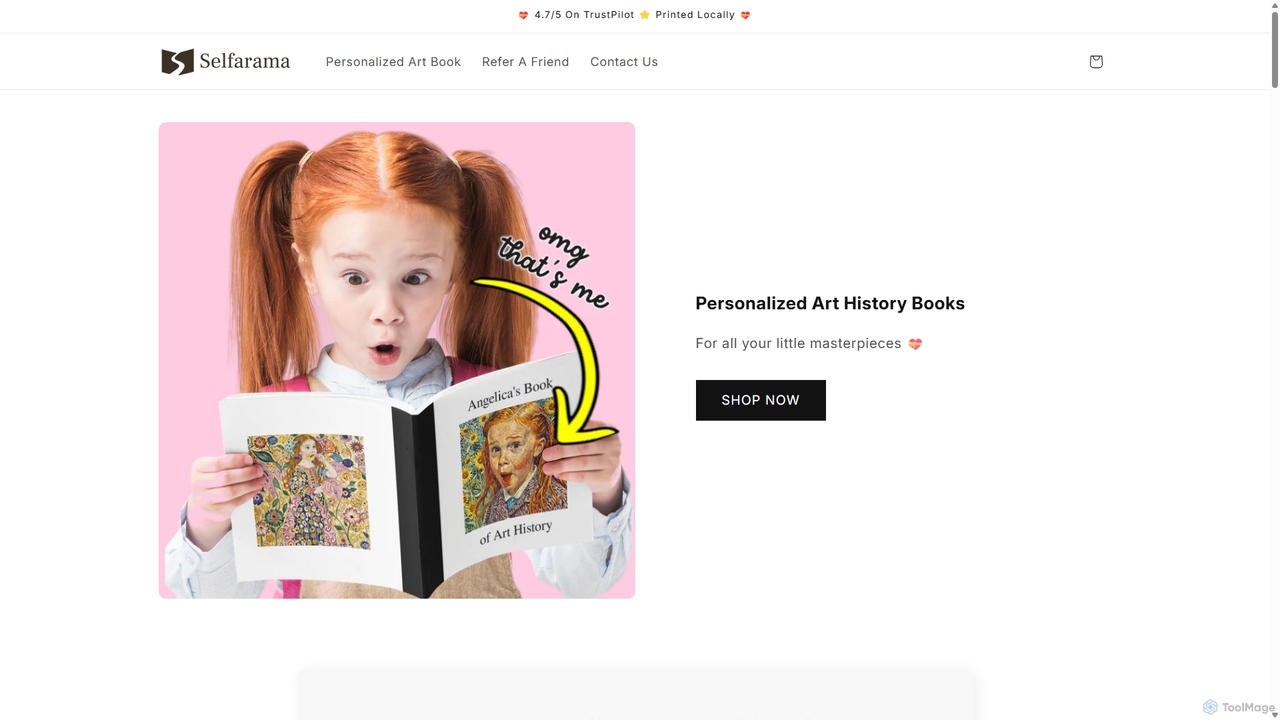
Selfarama uses AI to create personalized art history books for children. It transforms a child's photo into beautiful …
Selfarama uses AI to create personalized art history books for children. It transforms a child's photo into beautiful portraits in the styles of 12 famous artists, making art education a fun, engaging, and screen-free experience. A perfect, unique gift and a timeless keepsake.
About Personalization
Personalization in AI image tools refers to a category of AI-powered solutions designed to tailor visual content to individual users, specific contexts, or unique preferences. These tools leverage advanced generative AI and machine learning algorithms to modify, adapt, or create images that resonate deeply with the target audience. Their primary value lies in enhancing user engagement, improving marketing effectiveness, and delivering highly relevant visual experiences across various digital platforms. By automating the creation of bespoke imagery, they enable businesses and creators to scale personalized communication efficiently.
Core Features
- Dynamic Content Insertion: Automatically embeds user-specific text, data, or elements into image templates.
- Style & Attribute Customization: Adjusts visual styles, colors, backgrounds, or object attributes based on user input or profiles.
- Contextual Image Adaptation: Generates images that are relevant to a specific user's location, history, or interaction.
- Face/Object Swapping & Augmentation: Replaces or enhances specific elements within an image with personalized content.
Use Cases
AI image personalization tools are invaluable for marketers seeking to create dynamic ad campaigns, e-commerce businesses offering custom product visualizations, and content creators aiming for highly engaging social media posts. They also serve developers building applications that require user-specific avatars or in-game assets, and educators designing tailored learning materials with relevant visuals.
How to Choose
When selecting an AI image personalization tool, evaluate its depth of customization (e.g., text, style, object manipulation), integration capabilities with existing platforms (CRM, e-commerce), scalability for high-volume generation, and the quality of its output. Consider also the ease of defining personalization rules and the overall cost model to ensure it aligns with your operational needs and budget.
PersonalizationUse Cases
Dynamic Ad Creative Generation
Marketing teams utilize AI personalization to automatically generate thousands of unique ad creatives. By integrating with user data, the AI can tailor images with specific product recommendations, localized offers, or personalized messages for individual segments, significantly boosting click-through rates and conversion efficiency compared to generic ads.
Personalized E-commerce Product Mockups
Online retailers employ these tools to offer customers a real-time preview of personalized products. For instance, a customer designing a custom phone case can see their chosen photo or name rendered directly onto the product image, enhancing the shopping experience and reducing return rates by providing accurate visual expectations.
Custom Social Media Avatars & Profile Pictures
Social media platforms and gaming companies use AI personalization to allow users to create unique avatars or profile pictures. Users can input preferences for style, features, or even upload a base image, and the AI generates a personalized visual representation that reflects their identity or desired aesthetic.
Tailored Content Illustrations for Blogs/Websites
Content creators and publishers leverage AI to generate illustrations that are specifically tailored to the context of an article or the preferences of a reader segment. This ensures that visual content is highly relevant and engaging, improving reader retention and making complex topics more accessible through personalized imagery.
Automated Personalized Greeting Cards/Gifts
Businesses specializing in personalized gifts or greeting cards use AI to streamline the design process. Customers can input names, dates, or photos, and the AI automatically integrates these elements into various card or gift designs, allowing for rapid production of unique, sentimental items at scale.
Localized Marketing Material Adaptation
Global brands use AI personalization to adapt marketing visuals for different regions or cultures without manual redesign. The AI can automatically swap out models, backgrounds, text, or even cultural symbols in an image to resonate more effectively with local audiences, ensuring brand consistency while maximizing local relevance.