Best of the Year 3 results Inspiration AI Tools

Popular AI tools in the Inspiration field include OddVibe、DogPrompt、RoomLooks, etc., helping you quickly improve efficiency.

Free
RoomLooks

RoomLooks

RoomLooks is an AI-powered platform offering a dynamic feed of interior design inspiration. It presents unique "moments" that …

2.4K
Free
DogPrompt

DogPrompt

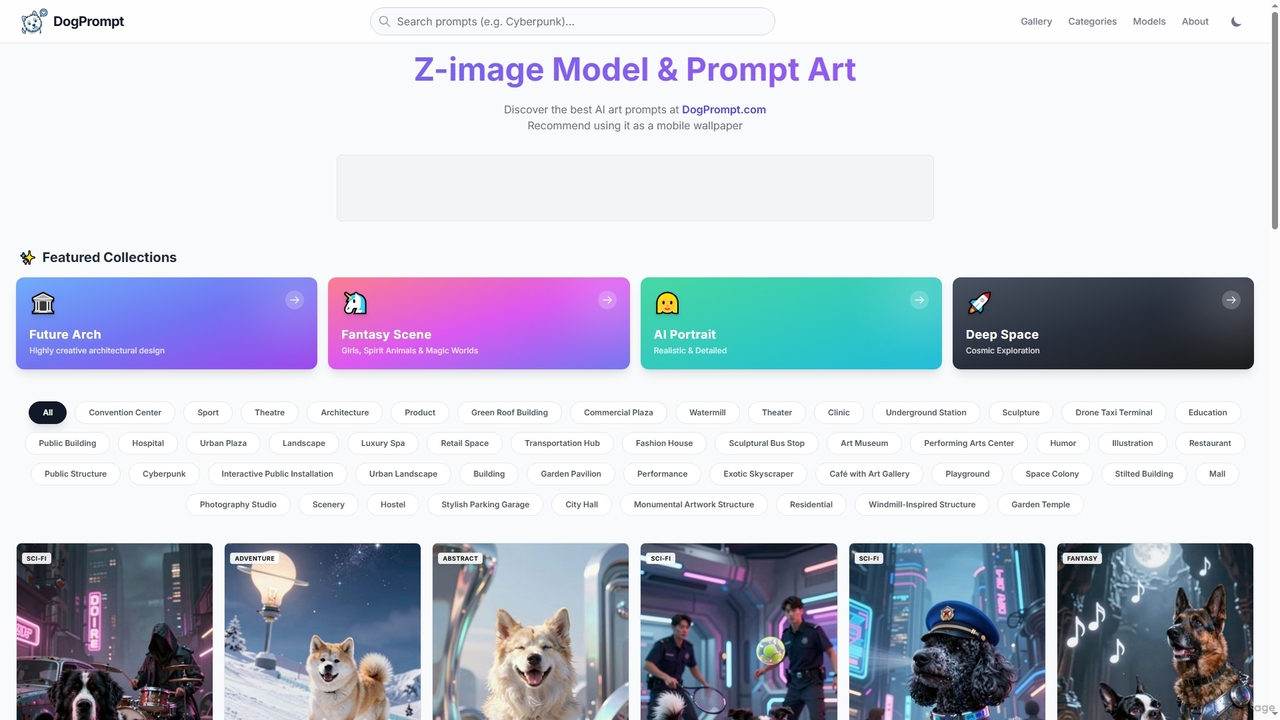
DogPrompt is a fully automated AI art gallery that provides an endless stream of high-quality prompts and images. …

3.3K
Free
OddVibe

OddVibe

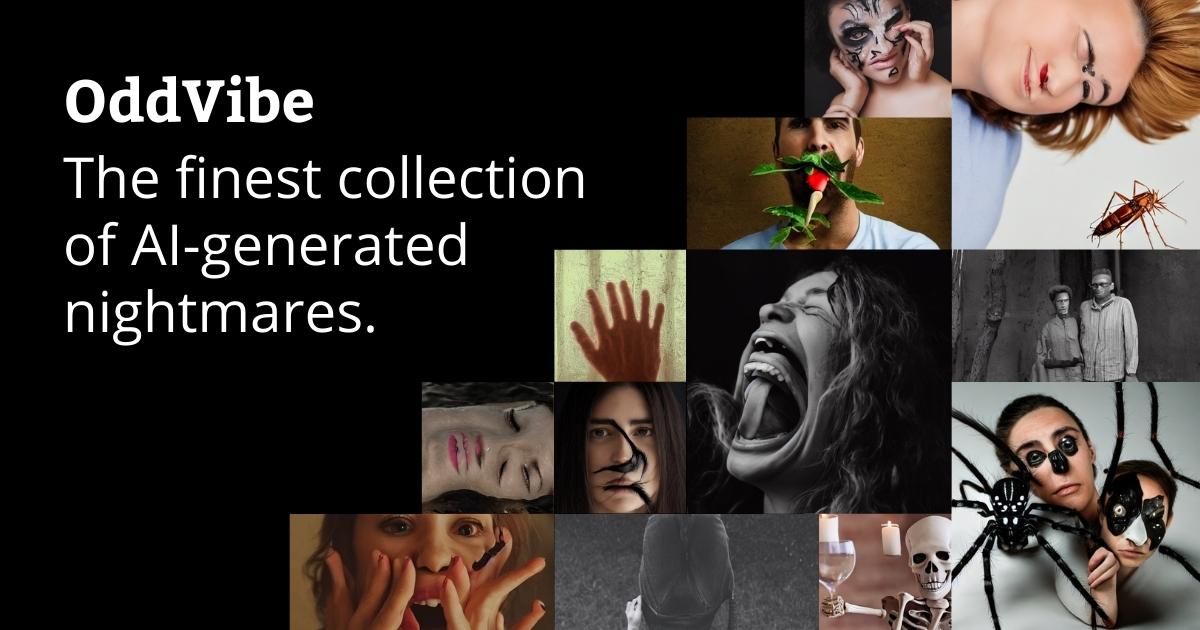
OddVibe is a curated online gallery showcasing the finest collection of creepy, unnerving, and unsettling images generated by …

4.5K

About Inspiration

AI Inspiration tools are a class of applications designed to stimulate creativity and generate novel ideas. They leverage generative AI models to analyze vast datasets of text, images, and concepts, producing unique prompts, conceptual blends, and unexpected connections. These tools are valuable for artists, writers, designers, and marketers seeking to overcome creative blocks and accelerate the initial stages of the ideation process. Their primary strength lies in offering unconventional perspectives that human brainstorming might overlook.

Core Features

  • Idea Generation: Creates lists of concepts, topics, or names based on a keyword.
  • Prompt Crafting: Generates detailed and effective prompts for other AI tools like image or text generators.
  • Conceptual Blending: Combines two or more unrelated concepts to spark new ideas.
  • Visual Moodboarding: Curates images, color palettes, and styles to establish a visual theme.
  • Mind Mapping: Structures brainstorming sessions by creating visual maps of interconnected ideas.

Use Cases

These tools are widely used in creative industries. For example, a novelist might use an AI inspiration tool to generate plot twists or character archetypes. A marketing team could use it to brainstorm campaign slogans or product names. UI/UX designers can leverage these tools to find inspiration for color schemes and layout structures, significantly speeding up the conceptual phase of a project.

How to Choose

When selecting an AI inspiration tool, first consider the type of creative output you need, whether it's text, visuals, or abstract concepts. Evaluate the diversity and quality of the generated ideas to ensure they are genuinely novel. Also, check for customization options, such as setting the level of randomness or specificity, and the ability to save and organize your favorite generated concepts for future reference.


InspirationUse Cases

1

Brainstorming Blog Post Topics for Content Marketers

A content marketer needs to create a content calendar for the next quarter but is running out of fresh ideas for a niche like 'sustainable finance'. They input the core keyword and related terms into an AI inspiration tool. The tool generates over 50 unique blog post titles, including listicles ('10 ESG Metrics Every Investor Should Know'), how-to guides ('How to Build a Sustainable Investment Portfolio'), and thought leadership topics. This process fills the content calendar in under 30 minutes, a task that previously took hours of manual research.

2

Generating Character Concepts for Game Developers

A game designer is creating characters for a new sci-fi RPG and wants to avoid common tropes. Using a conceptual blending feature, they combine 'ancient samurai warrior' with 'sentient AI' and 'deep-sea bioluminescence'. The tool outputs descriptive concepts like 'A luminous, code-wielding ronin whose armor is made of living coral and circuits'. This provides a strong foundation for visual design and narrative development, sparking multiple unique character paths and saving days of brainstorming.

3

Developing Unique Product Names for Startups

A startup founder is launching a smart device for plant care and needs a catchy, available name. They enter keywords like 'plant', 'grow', 'smart', and 'nurture' into an AI name generator, setting parameters for length and style. The tool produces hundreds of options like 'Verdant AI', 'FloraCore', and 'SynLeaf'. The founder can quickly filter results, check domain availability, and select a shortlist. This process accelerates a crucial branding decision, reducing reliance on expensive naming agencies.

4

Creating Visual Mood Boards for Designers

A graphic designer is starting a branding project for a luxury coffee brand and needs to define the visual direction. They input descriptive terms like 'minimalist', 'earthy tones', and 'Japanese wabi-sabi' into a visual inspiration tool. The AI generates a curated mood board with a consistent color palette, font suggestions, texture examples, and photography styles. This visual reference point can be shared with the client for approval, ensuring alignment and streamlining the entire design process from the outset.

5

Overcoming Writer's Block with Story Prompts

A fiction writer is facing a blank page, struggling to start a new short story. They access an AI prompt generator and request a 'sci-fi mystery' prompt. The tool provides a compelling starting point: 'In a city where memories can be bought and sold, a detective with no past must solve the murder of a memory broker.' This single sentence provides a character, setting, and conflict, instantly breaking the writer's block and providing a clear direction for the narrative.

6

Crafting Innovative Ad Campaign Angles

An advertising strategist is tasked with creating a new campaign for a classic running shoe and needs a fresh marketing angle. Using an AI idea generator, they explore unconventional connections by inputting 'running shoe' and 'urban exploration' or 'digital art'. The AI suggests campaign concepts like 'Map Your City with Your Miles,' where runners' routes generate unique digital art. This novel angle differentiates the brand from competitors focused solely on performance metrics and resonates with a modern, creative audience.

InspirationFrequently Asked Questions