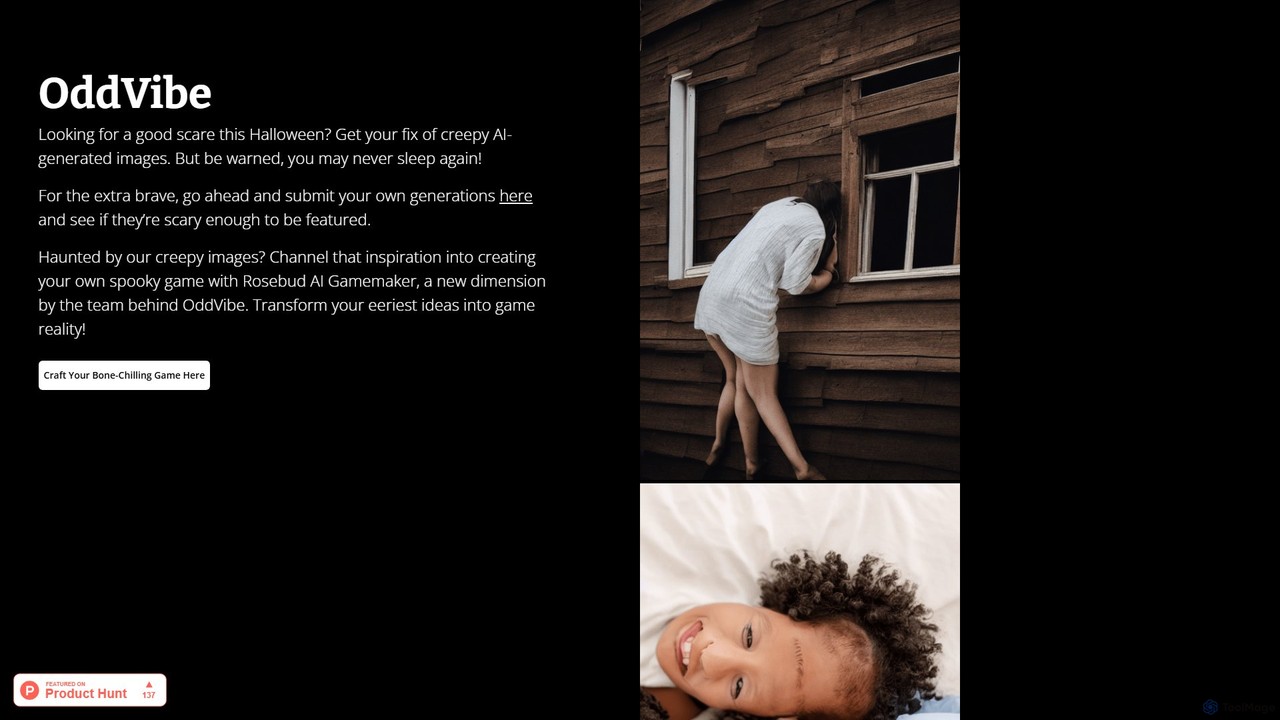
AI Image Gallery tools are platforms that leverage artificial intelligence to efficiently manage, organize, and showcase visual assets. These tools utilize intelligent recognition, automatic classification, and advanced search functionalities to help users effortlessly handle vast collections of images. They are particularly valuable for content creators, designers, and artists looking to build personal portfolios, facilitate team collaboration, or explore creative inspiration. In the burgeoning field of AI art creation, AI image galleries serve as indispensable assistants for curating and sharing digital artworks.
Core Features
- Intelligent Tagging & Categorization: Automatically identifies image content and applies relevant tags such as style, theme, or keywords for streamlined organization.
- Advanced Semantic Search: Supports natural language queries, enabling precise image retrieval based on content, style, or conceptual descriptions.
- Portfolio & Showcase Creation: Offers diverse templates and layouts to easily build professional-grade online portfolios or galleries.
- Collaboration & Sharing: Facilitates team members in sharing images, adding comments, and managing versions, enhancing collaborative workflows.
- AI-Driven Curation: Intelligently recommends relevant images or artistic styles based on user preferences or project requirements.
Use Cases
AI Image Gallery tools are widely adopted by professionals in creative industries. Digital artists use them to organize and present their AI-generated masterpieces, while content creators leverage them to manage vast libraries of visual assets for social media or blogs. Design teams benefit from enhanced collaboration features for shared visual resources, and marketing professionals utilize them for consistent brand asset management.
How to Choose
When selecting an AI Image Gallery tool, consider the depth of its AI capabilities, such as intelligent tagging and semantic search accuracy. Evaluate its storage capacity, supported file types, and scalability for future needs. Assess the flexibility of its display and sharing options, including portfolio templates and customization. Finally, check for robust collaboration features and integration possibilities with other design or AI tools.