ToolMage
Sign in

Best 1 Smart Home AI tools for Internet Of Things

Popular Smart Home AI tools in Internet Of Things include YiIotCloud, helping you work more efficiently.

YiIotCloud
Paid

YiIotCloud

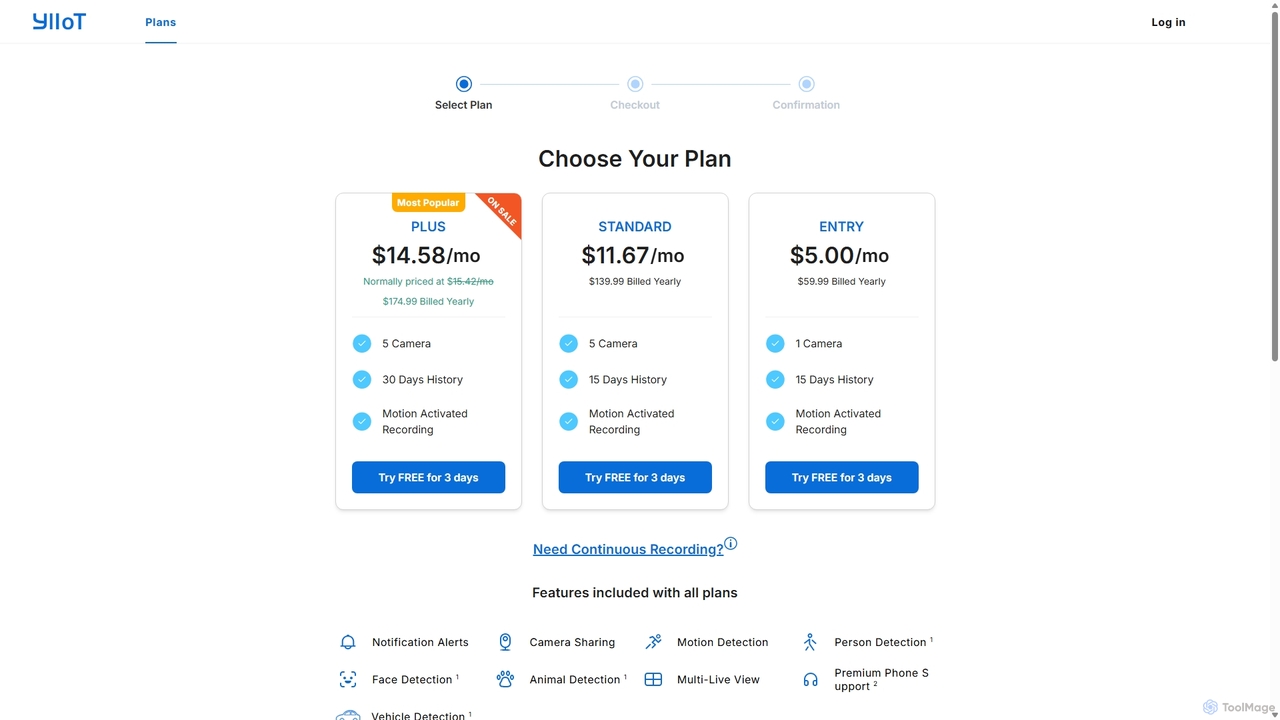
YiIotCloud is an intelligent cloud storage and management platform for YI and Kami security cameras. It enhances home and business security with secure cloud recording, real-time alerts, and advanced AI-powered detection for people, faces, vehicles, and animals, ensuring you only receive notifications that matter.

Smart Home
Visits 32.4KFavorites 102Likes 122

About Smart Home

Smart Home tools are AI-powered systems designed to automate and intelligently manage household devices and appliances. These tools utilize machine learning algorithms to learn user behaviors, predict needs, and optimize functions like climate control, lighting, and security. The primary value lies in creating a responsive, efficient, and secure living environment that adapts to the inhabitants' lifestyles. As a key application of the Internet of Things (IoT), they focus specifically on integrating various home devices into a single, cohesive, and automated ecosystem.

Core Features

  • Predictive Automation: Learns user routines to automatically adjust settings like temperature and lighting without manual input.
  • Voice and Gesture Control: Integrates with voice assistants (like Alexa, Google Assistant) for hands-free command of connected devices.
  • Intelligent Security Monitoring: Uses AI to differentiate between familiar faces, strangers, pets, and vehicles, reducing false alarms.
  • Energy Optimization: Analyzes usage patterns and external factors (like weather) to minimize electricity and gas consumption.
  • Personalized Scene Creation: Allows users to create custom routines (e.g., "Movie Night") that trigger multiple actions across different devices simultaneously.

Use Cases

Smart Home tools are ideal for homeowners and renters seeking greater convenience, security, and energy efficiency. They are widely used for automated climate control that adapts to daily schedules, intelligent security systems that provide meaningful alerts, and voice-activated control over lighting and entertainment systems. These tools are also increasingly applied in assisted living scenarios to help seniors maintain independence safely.

How to Choose

When selecting a Smart Home tool or ecosystem, consider its compatibility with your existing devices (e.g., Apple HomeKit, Google Home, Amazon Alexa). Evaluate the platform's range of supported devices and its capacity for creating complex automation rules. Assess the user-friendliness of the control app and the company's data privacy policies. Finally, consider whether you prefer a DIY setup or require professional installation for a more integrated system.

Smart Home use cases

1

Automated Energy Savings with Smart Thermostats

Homeowners looking to reduce their utility bills can use an AI-powered smart thermostat. The device learns the family's daily and weekly schedules, detecting when the house is empty or when people are sleeping. Based on these patterns, it automatically adjusts the heating and cooling to energy-saving temperatures, then returns to a comfortable level just before someone arrives home. This predictive capability, combined with data from local weather forecasts, can reduce heating and cooling costs by 10-20% annually without sacrificing comfort, providing a clear return on investment.

2

Enhanced Home Security with Intelligent Alerts

A family uses an AI-powered security camera system to monitor their property. Unlike traditional motion-activated cameras that trigger alerts for any movement, this system's AI can differentiate between people, animals, and vehicles. It can even be trained to recognize familiar faces. As a result, the homeowners receive specific, meaningful notifications, such as "A person is at your front door" instead of a generic "Motion detected." This significantly reduces the number of false alarms caused by pets or passing cars, ensuring that users only pay attention to genuinely important events.

3

Creating Personalized 'Good Morning' Routines

A user sets up a "Good Morning" routine within their smart home app. The AI system learns that the user typically wakes up around 7:00 AM on weekdays. At that time, it initiates a sequence of actions: the smart blinds gradually open to let in natural light, the smart coffee maker starts brewing, and the voice assistant provides a personalized briefing including the day's weather, traffic on the commute to work, and top news headlines. This automation eliminates several manual morning tasks, creating a smoother and more pleasant start to the day, tailored specifically to the user's habits.

4

Voice-Controlled Ambiance for Movie Nights

For a family movie night, a user can simply say, "Hey Google, it's movie time." The smart home AI, integrated with the voice assistant, understands this command as a trigger for a pre-configured 'Movie' scene. It immediately dims the smart lights to a cinematic level, lowers the smart blinds to block out external light, turns on the television and soundbar, and sets them to the correct inputs. This single voice command replaces the need to manually adjust multiple devices with different remote controls, creating the perfect viewing atmosphere instantly and effortlessly.

5

Proactive Appliance Maintenance Alerts

A smart refrigerator equipped with AI sensors constantly monitors its own performance, including compressor cycles and internal temperatures. The AI analyzes this data to detect anomalies that could indicate a future failure. For example, if the compressor is running more frequently than usual to maintain temperature, the system can send an alert to the homeowner's phone, suggesting they check the door seal or schedule a maintenance check. This proactive approach helps prevent costly repairs and food spoilage by addressing potential issues before they become critical problems.

6

Assisted Living Support for Elderly Relatives

For families caring for an elderly relative living alone, a smart home system provides peace of mind. AI-powered sensors can discreetly monitor daily activity patterns, such as movement between rooms, medication cabinet access, and appliance usage. The system learns the person's normal routine and can send an alert to a caregiver's phone if there's a significant deviation, like a lack of movement for an extended period, which could indicate a fall. Smart speakers can also be configured to allow easy, voice-activated calls to family members or emergency services, enhancing safety and independence.

Smart Home FAQ

What are AI Smart Home tools?

AI Smart Home tools are systems that use artificial intelligence to automate and control home environments. Unlike basic smart devices that follow direct commands, AI-powered systems learn user habits, analyze data from sensors, and make predictive decisions. Key features include:

  • Learning and Adaptation: They adapt to your schedule and preferences over time.
  • Contextual Awareness: They can use information like your location, time of day, and weather to make smarter decisions.
  • Intelligent Automation: They can automate complex sequences of actions without needing a specific command each time.
This results in a home that not only responds to you but anticipates your needs for greater comfort and efficiency.

How to choose the right Smart Home ecosystem?

Choosing the right smart home ecosystem depends on your specific needs and existing devices. Consider these key factors:

  • Compatibility: Check if the ecosystem (e.g., Amazon Alexa, Google Home, Apple HomeKit) supports the smart devices you already own or plan to buy.
  • Voice Assistant Preference: Test or research which voice assistant best understands your speech and provides the most useful responses for your needs.
  • Automation Capabilities: Evaluate how easy it is to create routines and automations. Some platforms offer simple, user-friendly interfaces, while others provide more advanced options for tech-savvy users.
  • Privacy Policies: Review how the company handles your data, including voice recordings and usage patterns, to ensure you are comfortable with their practices.
Starting with a single ecosystem's hub or smart speaker is often a good way to begin building your smart home.

What's the difference between a Smart Home and the Internet of Things (IoT)?

The Internet of Things (IoT) is a broad concept referring to the vast network of physical devices connected to the internet, collecting and sharing data. This includes everything from industrial sensors and connected cars to wearable fitness trackers.

A Smart Home is a specific application of IoT. It focuses exclusively on connecting and automating devices within a residential environment, such as lights, thermostats, locks, and appliances. In essence, a Smart Home is one of the most popular and relatable examples of the IoT in action, using IoT principles to create a more convenient and efficient living space.

What are the key features of an AI-powered smart home?

An AI-powered smart home goes beyond simple remote control, offering more intelligent and proactive features. The key features include:

  • Predictive Automation: The system learns your routines and automatically adjusts devices. For example, it might lower the thermostat when it knows you've left for work.
  • Natural Language Understanding: Advanced voice control that understands complex or conversational commands, not just rigid phrases.
  • Intelligent Security: AI-based cameras that can distinguish between people, pets, and vehicles, providing more relevant security alerts.
  • Energy Management: AI algorithms analyze energy consumption and suggest or automatically make adjustments to save power.
  • Personalization: The system adapts to the preferences of different individuals in the household, creating a customized experience for everyone.

Is it difficult to set up a smart home?

The difficulty of setting up a smart home varies greatly. Many modern smart home products are designed for easy, do-it-yourself (DIY) installation. Devices like smart speakers, smart plugs, and light bulbs can often be set up in minutes using a smartphone app. These are great for starting small and gradually expanding your system.

However, more complex, integrated systems that involve electrical wiring (like smart switches or thermostats) or whole-home security systems may require professional installation. The best approach is to start with a few simple devices from a single ecosystem to understand how they work before moving on to more advanced integrations.