Best of the Year 4 results Interview Preparation AI Tools

Popular AI tools in the Interview Preparation field include JobEase、Aspirely、JobWizard、Mockitup, etc., helping you quickly improve efficiency.

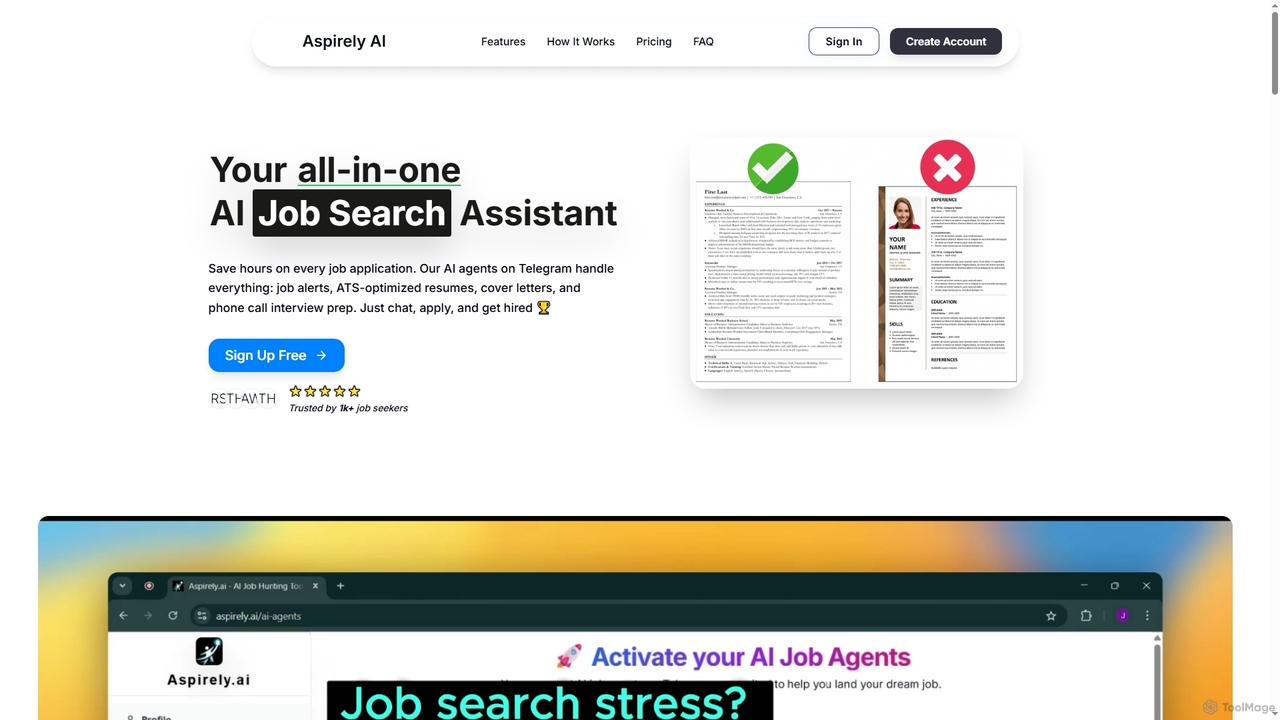
Aspirely

Aspirely

Aspirely is an all-in-one AI job search assistant that streamlines the application process. It uses AI agents on …

3.8K
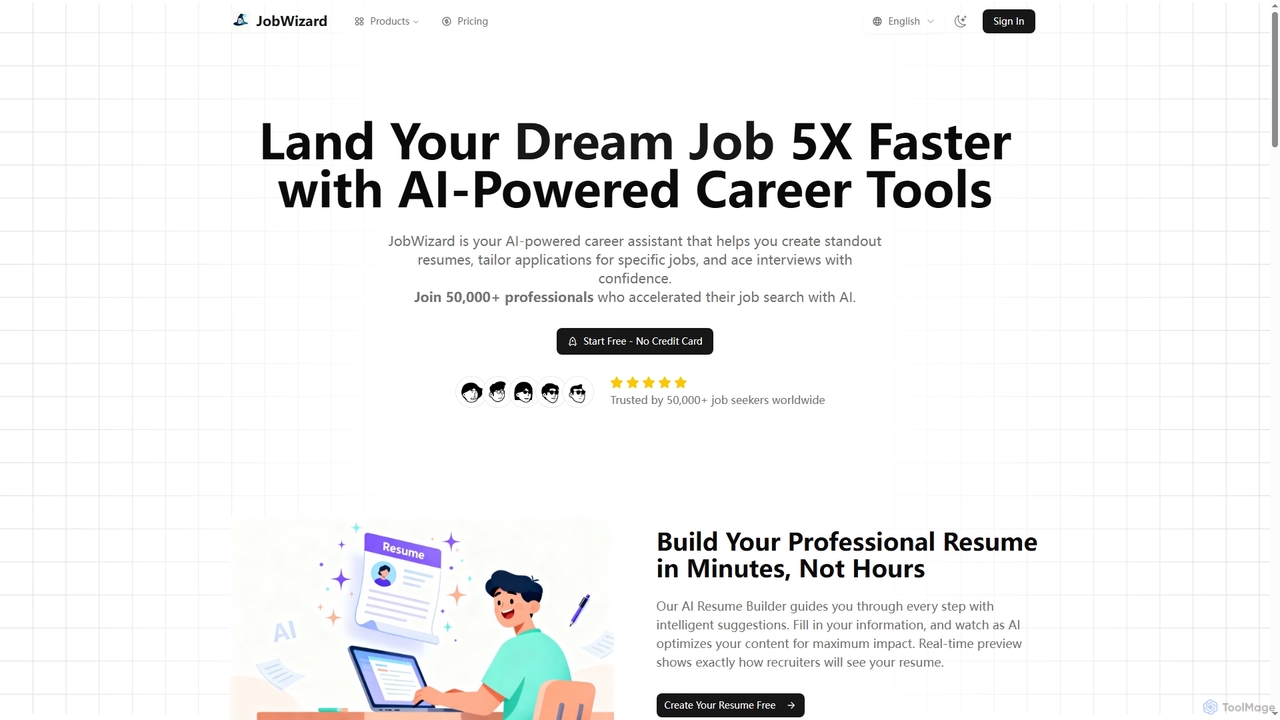
JobWizard

JobWizard

JobWizard is an AI-powered career assistant designed to accelerate your job search. It helps you create professional, ATS-friendly …

3.5K
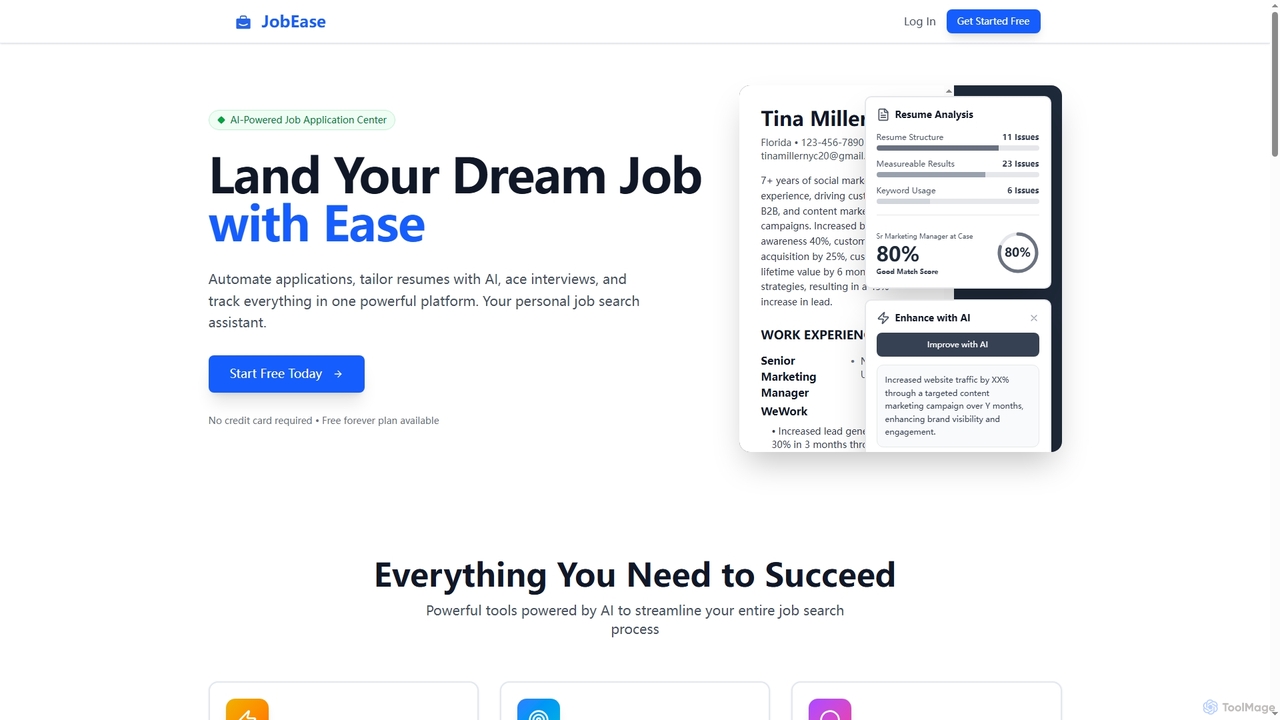
JobEase

JobEase

JobEase is an AI-powered platform designed to revolutionize your job search. It automates applications, tailors resumes and cover …

26.0K
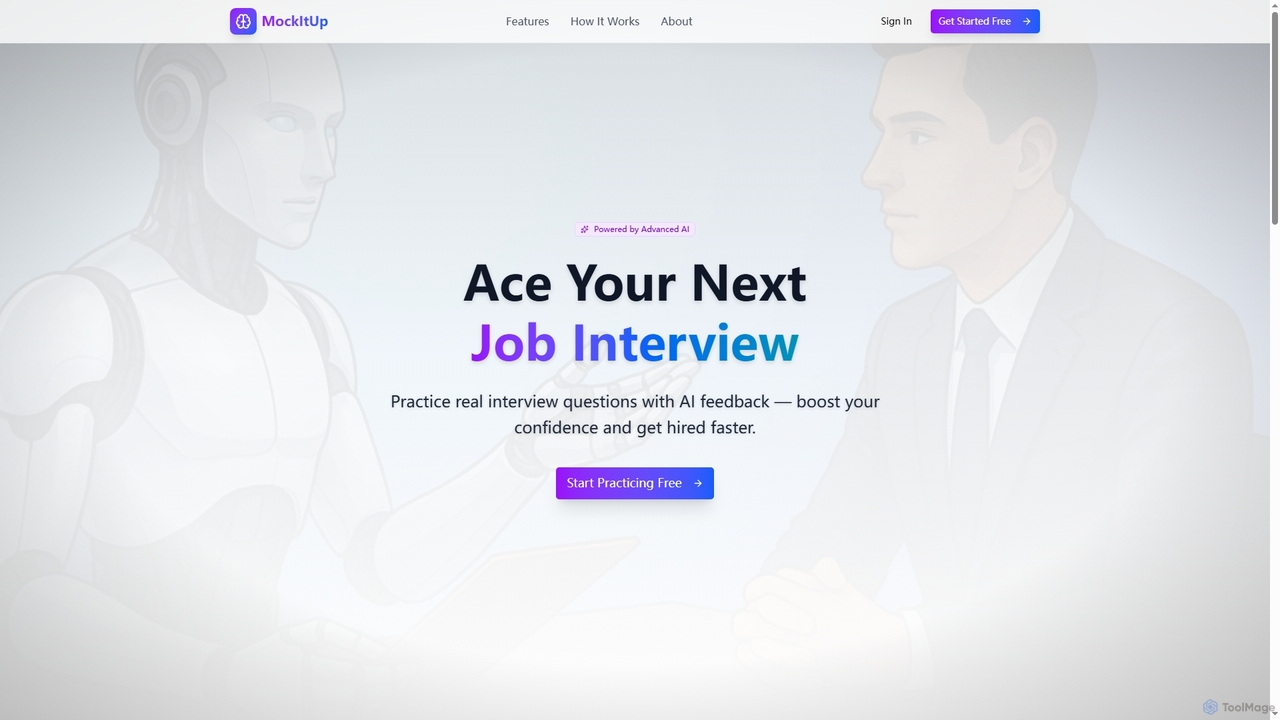
Mockitup

Mockitup

Mockitup is an AI-powered mock interview platform designed to help job seekers prepare for interviews with personalized questions, …

2.3K

About Interview Preparation

AI Interview Preparation tools are applications that leverage artificial intelligence to help job seekers practice and refine their interview skills. They utilize technologies like natural language processing (NLP) and computer vision to simulate realistic interview scenarios and provide data-driven feedback. These tools enable users to improve communication, build confidence, and receive objective analysis on their verbal and non-verbal performance, ultimately increasing their chances of success. By offering a private and repeatable practice environment, they make interview coaching accessible to everyone.

Core Features

  • AI Mock Interviews: Simulates interviews with an AI avatar that asks common, behavioral, and technical questions.
  • Performance Analytics: Provides detailed feedback on speech clarity, pace, filler words, and answer content structure.
  • Body Language Analysis: Uses computer vision to analyze eye contact, posture, facial expressions, and gestures.
  • Answer Suggestions: Offers guidance on how to structure compelling answers, often using frameworks like the STAR method.
  • Customizable Sessions: Allows users to upload job descriptions to generate tailored questions relevant to a specific role.

Use Cases

These tools are valuable for a wide range of users, including recent graduates entering the job market, professionals seeking promotions or changing careers, and non-native speakers aiming to improve their fluency. They are widely used in preparation for roles in technology, consulting, finance, and management, where communication and presentation skills are critical.

How to Choose

When selecting an AI Interview Preparation tool, consider the quality and breadth of its question database for your specific industry. Evaluate the depth of the feedback provided—does it cover content, speech, and body language? Check for customization options, such as tailoring questions to a job description. Finally, assess the user interface and the quality of the AI simulation for a realistic practice experience.

Interview PreparationUse Cases

1

Preparing for a Behavioral Interview

A marketing manager candidate uploads a job description for a senior role. The AI tool analyzes the description and generates a set of common behavioral questions like, 'Tell me about a time you led a challenging project.' The user practices their answers on video. Afterwards, the AI provides a report highlighting a high usage of filler words ('um', 'like') and suggests rephrasing answers using the STAR method (Situation, Task, Action, Result) for greater impact. The user can then re-record their answers until they feel confident and polished.

2

Preparing for a Big Tech Coding Interview

A software engineer is facing a multi-round technical interview at a major tech company. They need to practice not only solving coding problems but also clearly articulating their thought process for behavioral and system design questions. Using an AI interview tool, they simulate FAANG-style interviews, recording themselves as they explain complex algorithms and architectural choices. The AI provides feedback on their speech clarity, pace, and use of technical jargon, while also analyzing their confidence through non-verbal cues. This process helps them identify and reduce filler words like 'um' and 'like', resulting in a more polished and professional delivery during the actual interview.

3

Mastering Technical Coding Interviews

A software engineer candidate uses a specialized AI tool that integrates a coding environment. The AI interviewer presents a complex algorithm problem, such as 'Find the shortest path in a weighted graph.' The candidate writes code directly in the integrated editor while explaining their thought process aloud. The AI analyzes not only the correctness and efficiency of the final code but also the clarity of their explanation, their problem-solving approach, and their communication during the simulated technical debrief.

4

Mastering Behavioral Questions for a Management Role

An aspiring manager needs to demonstrate strong leadership and problem-solving skills using the STAR method (Situation, Task, Action, Result). They use an AI preparation tool to practice answering questions like, 'Tell me about a time you handled a conflict within your team.' The AI analyzes the structure of their responses, ensuring all four components of the STAR method are clearly present and logically connected. It also provides feedback on their tone of voice, flagging moments where they might sound hesitant or unconvincing. After several practice sessions, the candidate learns to structure their stories more effectively, projecting an image of a confident and capable leader.

5

Building Confidence for Recent Graduates

A recent university graduate with little formal interview experience feels anxious about their first job search. They use an AI tool to practice fundamental questions like 'Tell me about yourself' and 'What are your strengths and weaknesses?' in a low-pressure environment. The tool's consistent, non-judgmental feedback helps them gradually build confidence. It analyzes their speech pace, helping them slow down and speak more clearly, and tracks their eye contact with the virtual interviewer, improving their non-verbal communication skills over several practice sessions.

6

Overcoming Interview Anxiety for First-Time Job Seekers

A recent graduate with limited real-world interview experience feels anxious about facing recruiters. They use an AI interview simulator to conduct dozens of low-stakes mock interviews. The repeatable nature of the tool allows them to practice common questions until the answers feel natural. The AI's body language analysis provides concrete feedback on maintaining eye contact and adopting a more open posture, which are common challenges for nervous candidates. Through this consistent practice in a safe environment, the graduate builds significant confidence, reduces their anxiety, and learns to focus on showcasing their skills rather than worrying about the interview process itself.

7

Refining English for International Job Applications

A non-native English speaker is applying for a job in the United States. They use an AI interview tool to practice their responses and receive specific feedback on pronunciation, intonation, and the use of idiomatic expressions. The tool's speech-to-text feature transcribes their answers, allowing them to review and identify grammatical errors or awkward phrasing. This targeted practice helps them communicate their technical skills and experience more clearly and professionally, overcoming potential language barriers.

8

Refining English Communication for International Candidates

A non-native English speaker is applying for a role in an English-speaking country and is concerned about their pronunciation and grammar. They use an AI interview tool that features advanced speech-to-text transcription and analysis. After each practice answer, the tool provides a transcript highlighting grammatical errors, awkward phrasing, and filler words. It also offers a clarity score for their speech and suggests alternative vocabulary for more professional communication. This targeted feedback allows the candidate to pinpoint specific areas for improvement, helping them communicate their qualifications more clearly and confidently during the actual interview.

9

Rehearsing for a High-Stakes Panel Interview

A senior executive candidate is preparing for a final-round panel interview with the CEO, CFO, and Head of HR. They use an advanced AI tool that can simulate a multi-person interview. The tool presents questions from different perspectives—strategic questions from the 'CEO', financial questions from the 'CFO', and cultural fit questions from the 'HR Head'. This allows the candidate to practice tailoring their responses to different stakeholders and managing the dynamic of a group interview, ensuring they are prepared for the complexity of the real event.

10

Acing a Case Study Interview for Consulting

A candidate preparing for a consulting interview needs to practice structuring and presenting case study solutions under pressure. They use an AI tool that presents a business case and starts a timer. The candidate then articulates their framework, analysis, and recommendations. The AI analyzes the logical flow of their presentation, the clarity of their arguments, and their time management. It provides a detailed report on whether their response was well-structured (e.g., MECE principle), data-driven, and persuasively delivered. This allows the candidate to refine their approach to case studies, ensuring they can deliver a coherent and compelling solution within the allotted time.

11

Crafting Compelling STAR Method Answers

A project manager struggles to articulate their accomplishments concisely. They use an AI tool's answer-crafting feature. For the prompt 'Describe a successful project,' they input bullet points about a past project. The AI assistant helps them structure this information into the STAR format: it defines the 'Situation' (a project behind schedule), the 'Task' (to get it back on track), the 'Actions' taken (re-prioritized tasks, improved communication), and the 'Result' (delivered on time, 10% under budget). This transforms a simple list of duties into a compelling success story.

12

Preparing for an Internal Promotion Interview

A current employee seeking a promotion faces an interview with familiar colleagues, but the stakes are high. They need to articulate past achievements and a compelling vision for the new role. Using an AI tool, they customize the interview by uploading the internal job description and adding questions related to company values and strategic goals. They practice articulating their impact on past projects and how their skills align with the future direction of the team. The AI feedback helps them refine their narrative, ensuring it is both data-backed and forward-looking, thus presenting a stronger, more strategic case for their promotion to the hiring committee.

Interview PreparationFrequently Asked Questions