
Career Development Best in category 1 results Job Search Tools AI Tool

Popular AI tools in the Job Search Tools field of Career Development include Mockitup, etc., helping you quickly improve efficiency.

Mockitup

Mockitup

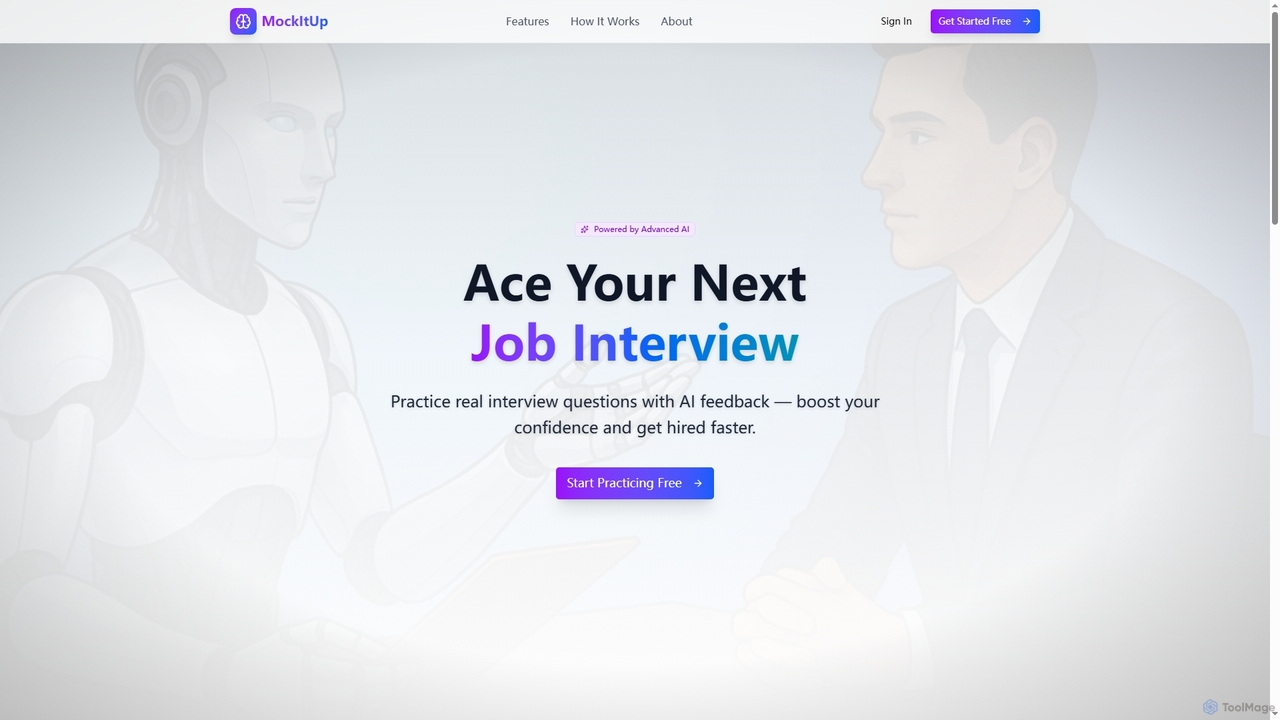
Mockitup is an AI-powered mock interview platform designed to help job seekers prepare for interviews with personalized questions, …

3.2K

About Job Search Tools

AI Job Search Tools are applications that use artificial intelligence to streamline and enhance the job-seeking process. Leveraging technologies like natural language processing (NLP), these tools analyze job descriptions, optimize resumes for Applicant Tracking Systems (ATS), and generate personalized application materials. They empower candidates to create highly targeted applications efficiently, increasing their visibility to recruiters and improving their chances of securing interviews. Unlike simple job boards, these tools provide active assistance throughout the application lifecycle.

Core Features

  • Resume Optimization: Analyzes your resume against a specific job description to suggest keyword improvements and formatting changes for ATS compatibility.
  • Cover Letter Generation: Creates tailored cover letters that highlight your most relevant skills and experiences for a particular role.
  • AI-Powered Job Matching: Scans numerous job boards to find and recommend positions that closely match your skills, experience, and career goals.
  • Interview Preparation: Simulates job interviews with AI-driven questions and provides feedback on your answers, delivery, and confidence.
  • Application Tracking: Offers a centralized dashboard to manage and monitor the status of all your job applications.

Use Cases

These tools are valuable for job seekers across all industries and experience levels, from recent graduates to seasoned professionals. They are particularly effective for individuals applying to multiple positions in competitive markets, career changers needing to reframe their experience, and anyone looking to improve the efficiency and quality of their job search efforts.

How to Choose

When selecting an AI Job Search Tool, consider the specific features you need—whether it's resume building, interview practice, or all-in-one support. Evaluate the tool's effectiveness in optimizing for ATS, the level of customization available for generated content, and its data privacy policies. Look for platforms that offer a clear and intuitive user interface to simplify your workflow.

Job Search ToolsUse Cases

1

Optimizing a Resume for a Specific Job Application

A software engineer is applying for a Senior Developer role at a major tech company. They upload their current resume and the job description into an AI tool. The tool instantly analyzes both documents, highlighting that the resume is missing key terms like 'microservices architecture' and 'CI/CD pipeline' mentioned in the job post. It suggests rephrasing project descriptions to use action verbs preferred by recruiters and ensures the formatting is compatible with common Applicant Tracking Systems (ATS). As a result, the resume's relevance score increases significantly, improving its chances of passing the initial automated screening.

2

Generating a Tailored Cover Letter in Minutes

A marketing manager needs to apply for several similar roles but lacks the time to write a unique cover letter for each. Using an AI generator, they input their core experience, skills, and the URL of the job posting. The AI drafts a professional cover letter that aligns their qualifications with the specific requirements of the role, such as 'experience with B2B SaaS marketing' and 'proven success in lead generation'. The manager can then quickly review and personalize the draft, reducing the time spent per application from 30 minutes to less than 5, allowing them to apply to more opportunities.

3

Practicing for a Behavioral Interview

A recent graduate is preparing for their first corporate interview and is nervous about answering behavioral questions like 'Tell me about a time you faced a conflict.' They use an AI interview prep tool that simulates a real interview. The AI asks common questions and records their responses. Afterward, it provides detailed feedback on the clarity of their answers, use of the STAR method (Situation, Task, Action, Result), speaking pace, and use of filler words. This practice helps them build confidence and refine their stories, leading to a much stronger performance in the actual interview.

4

Automating Job Discovery and Matching

A freelance graphic designer is tired of manually searching multiple job boards for new projects. They set up a profile on an AI job matching platform, detailing their skills in UI/UX design, Adobe Creative Suite, and their desired project type and rates. The AI continuously scans dozens of sources, including niche freelance websites. It then sends a daily curated list of the most relevant opportunities directly to their inbox, filtering out irrelevant roles. This saves them hours of searching each week and helps them discover high-quality projects they might have otherwise missed.

5

Crafting a Professional Follow-up Email

After a promising final-round interview, a sales executive wants to send a memorable thank-you note. They use an AI tool, providing key details: the interviewers' names, specific topics discussed (like 'expanding into the European market'), and the role's title. The AI generates a draft that is professional, concise, and personalized. It artfully references the conversation points, reiterates their enthusiasm, and subtly reinforces why they are a great fit. This allows the executive to send a polished, impactful follow-up email quickly, leaving a strong positive impression on the hiring team.

6

Building a Career Change Resume from Scratch

A teacher with 10 years of experience is transitioning into a corporate trainer role. They struggle to translate their classroom skills into business terminology. Using an AI resume builder, they input their teaching history. The tool suggests reframing 'classroom management' as 'stakeholder engagement and group facilitation' and 'lesson planning' as 'instructional design and curriculum development'. It also provides a professional template favored in the corporate world. The result is a powerful, modern resume that effectively showcases their transferable skills to recruiters who may not understand a traditional teaching CV.

Job Search ToolsFrequently Asked Questions