hellohiringmanager
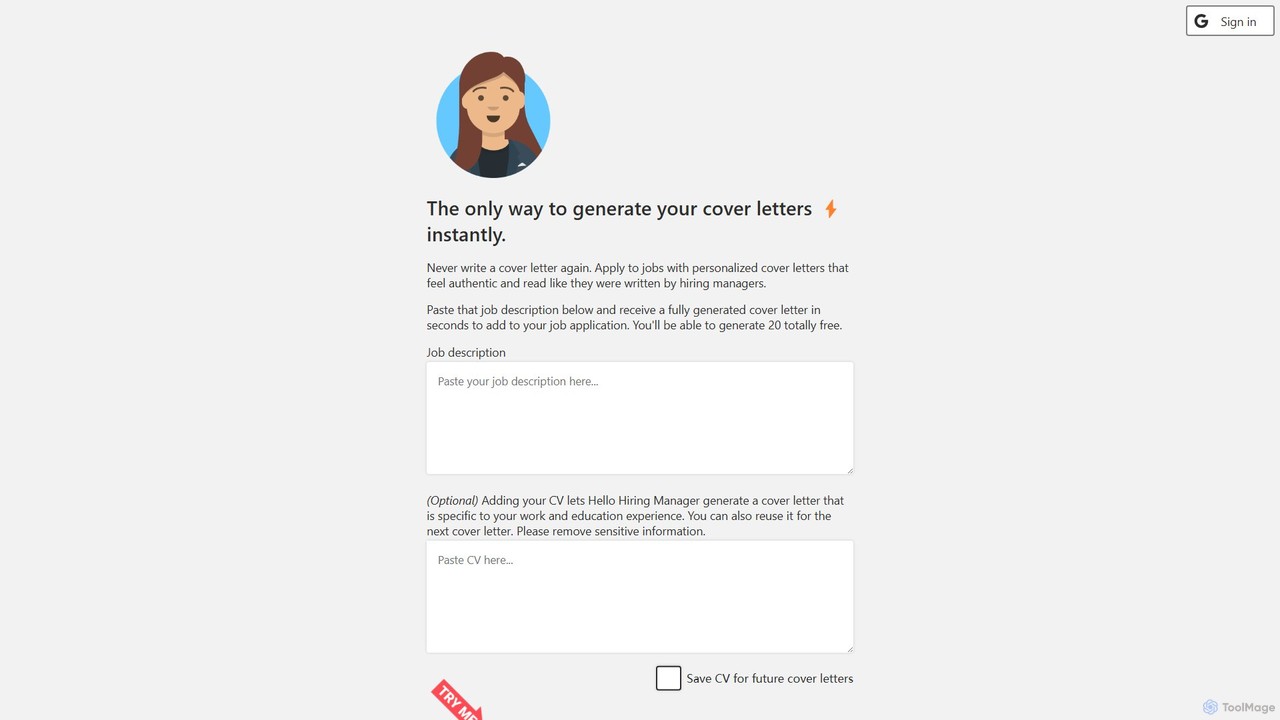
HelloHiringManager is an AI-powered tool that instantly generates personalized, job-winning cover letters. By analyzing a job description and …
HelloHiringManager is an AI-powered tool that instantly generates personalized, job-winning cover letters. By analyzing a job description and your CV, it creates authentic and professional letters, helping you apply to more jobs faster and with higher quality.
refitresume
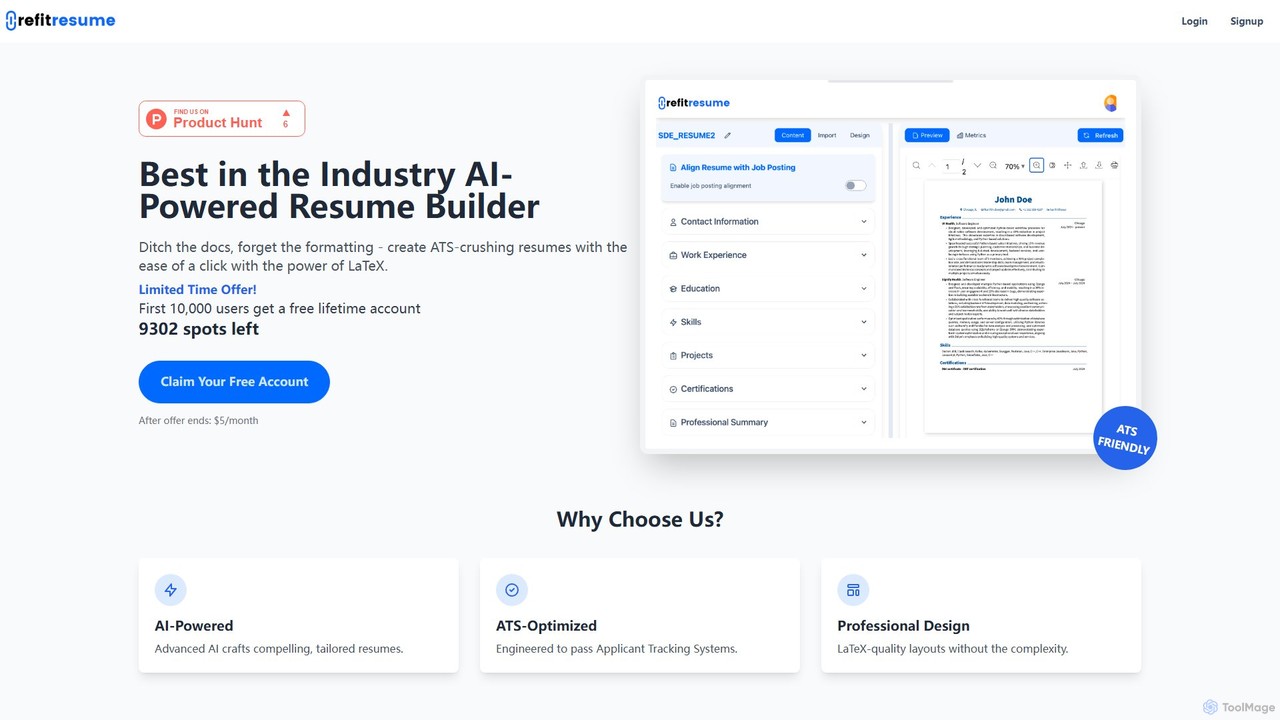
refitresume is an AI-powered resume builder that creates professional, ATS-optimized resumes using LaTeX technology. It helps users tailor …
refitresume is an AI-powered resume builder that creates professional, ATS-optimized resumes using LaTeX technology. It helps users tailor their resume content for specific job applications with AI suggestions, ensuring a higher chance of passing through applicant tracking systems and catching a recruiter's eye.
About Job
AI Job tools are applications that leverage artificial intelligence to streamline and enhance the job search and career development process. These tools utilize technologies like natural language processing (NLP) to parse resumes and generative AI to create application materials. They help candidates optimize their resumes for applicant tracking systems (ATS), craft tailored cover letters, and prepare for interviews with simulated practice sessions. The primary value of AI Job tools is in increasing the efficiency and effectiveness of a job search, enabling users to present their best selves to potential employers.
Core Features
- AI Resume Builder: Analyzes job descriptions to suggest keywords and formats, optimizing resumes for both human recruiters and ATS scans.
- Intelligent Job Matching: Scans numerous job boards and company sites to recommend relevant positions based on a user's skills, experience, and career goals.
- Cover Letter Generation: Creates personalized and professional cover letters tailored to specific job applications, saving significant time.
- Interview Preparation: Simulates job interviews with common questions and provides AI-driven feedback on answers, speech patterns, and confidence.
- Career Path Analysis: Assesses a user's profile to identify skill gaps and suggest potential career paths or upskilling opportunities.
Use Cases
These tools are widely used by recent graduates entering the workforce, experienced professionals seeking career advancement or transition, and freelancers looking for new projects. For example, a software developer can use an AI tool to tailor their resume for a specific tech stack, while a marketing manager can practice answering behavioral questions for a leadership role. They are also valuable for individuals re-entering the job market who need to update their application materials to modern standards.
How to Choose
When selecting an AI Job tool, first identify your primary need: resume optimization, interview practice, or job discovery. Evaluate the quality of the AI-generated content and feedback. Consider integrations with professional networks like LinkedIn and job boards. Finally, assess the pricing model—many tools offer a freemium version with core features, while premium plans provide more advanced capabilities like in-depth analysis and unlimited usage.
JobUse Cases
Crafting an ATS-Optimized Resume
A software engineer with five years of experience is applying for a senior role at a major tech company. They use an AI resume builder to paste the job description and their existing resume. The tool analyzes both, suggesting the inclusion of specific keywords like 'scalable architecture' and 'CI/CD pipeline' that are present in the description but missing from their resume. It also recommends reformatting the skills section into a more ATS-friendly layout. As a result, their resume's match score for the role increases significantly, improving its chances of passing the initial automated screening and reaching a human recruiter.
Practicing for a Behavioral Interview
A recent marketing graduate is preparing for an interview for an entry-level position. They use an AI interview prep tool to simulate the experience. The AI asks common behavioral questions like, 'Tell me about a time you handled a difficult project.' After the user records their answer, the tool provides instant feedback. It analyzes their speech for filler words ('um', 'like'), pacing, and tone. It also evaluates the content of their answer based on the STAR method (Situation, Task, Action, Result), suggesting ways to make their response more structured and impactful. This practice helps them build confidence and refine their answers before the actual interview.
Generating a Tailored Cover Letter in Minutes
A project manager is applying to multiple similar roles across different companies. Writing a unique cover letter for each is time-consuming. They use an AI cover letter generator, providing it with their resume, the job description, and some key achievements they want to highlight. The AI drafts a professional letter that connects their experience directly to the requirements of the role, using the company's name and specific language from the job post. The manager can then quickly review, make minor personal tweaks, and send it off. This process reduces the time spent on each application from an hour to about ten minutes, allowing them to apply to more jobs.
Optimizing a LinkedIn Profile for Recruiters
A data scientist wants to be more visible to recruiters for senior-level positions. They use an AI career tool that specializes in LinkedIn optimization. The tool analyzes their current profile and compares it against top-performing profiles in their field. It suggests rewriting their headline to be more impactful, incorporating specific keywords like 'Machine Learning' and 'Python' into their summary, and provides templates for requesting recommendations from colleagues. After implementing the changes, their profile views from recruiters increase by 40% within a month, leading to more inbound messages about relevant job opportunities.
Discovering Hidden Job Opportunities
A user experience designer is passively looking for a new role but doesn't have time to browse job boards daily. They use an AI job matching tool. After connecting their LinkedIn profile and setting preferences for company size, industry, and remote work, the AI agent starts scanning thousands of sources, including company career pages that aren't always on major job boards. It sends a daily digest of the top 5 most relevant opportunities directly to their email. This uncovers a senior designer role at a startup that they wouldn't have found otherwise, leading to a successful application.
Planning a Career Transition with AI
An accountant with ten years of experience feels stagnant and wants to transition into a financial data analyst role. They use an AI career pathing tool to assess their current skills. The tool identifies their strengths in quantitative analysis but highlights a gap in programming languages like Python and SQL, and data visualization tools. Based on this analysis, the AI platform recommends specific online courses and certifications to bridge these gaps. It also generates a 12-month roadmap with milestones, helping the accountant structure their learning journey and prepare for the new career path effectively.