EpsteinGPT
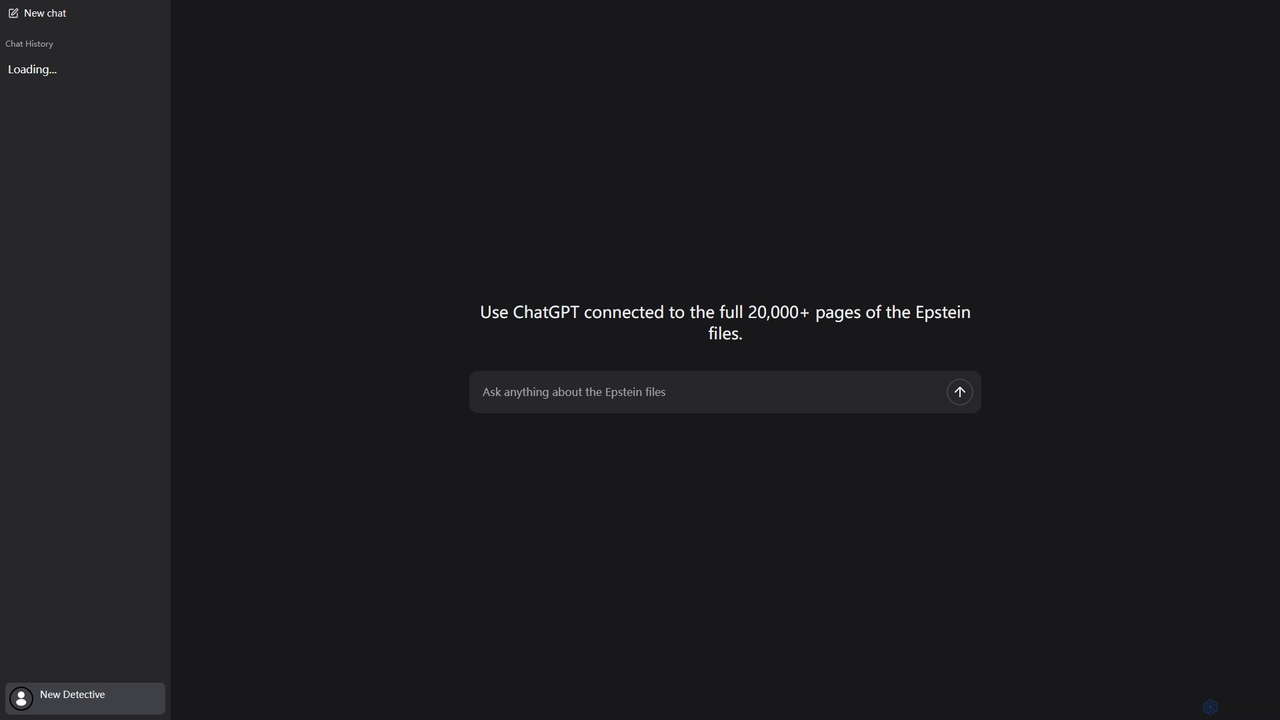
EpsteinGPT is an AI-powered research tool that leverages ChatGPT to provide conversational access and analysis of over 20,000 …
EpsteinGPT is an AI-powered research tool that leverages ChatGPT to provide conversational access and analysis of over 20,000 pages of the publicly available Epstein files. It acts as a specialized detective, enabling users to explore complex information and uncover insights from this extensive document collection.
Good Tape
Good Tape is an AI-powered transcription service designed for journalists, researchers, and content creators. It provides fast, secure, …
Good Tape is an AI-powered transcription service designed for journalists, researchers, and content creators. It provides fast, secure, and highly accurate transcriptions for audio and video files in over 90 languages. The platform focuses on a simple user experience, robust security, and delivering reliable text output to save users significant time and effort.
About Journalism
AI Journalism tools are a class of software designed to assist journalists and news organizations by enhancing various stages of the news production cycle. These tools leverage technologies like natural language processing (NLP) and machine learning to analyze large datasets, generate data-driven reports, and verify information. Their primary value lies in accelerating research, uncovering hidden stories within complex data, and freeing up journalists to focus on in-depth analysis, interviews, and creative storytelling.
Core Features
- Automated Content Generation: Creates routine reports such as financial summaries, sports results, or weather updates from structured data.
- Data Investigation & Analysis: Processes vast amounts of documents and data to identify trends, patterns, and anomalies for investigative stories.
- Fact-Checking & Verification: Cross-references claims with reliable sources and analyzes media to detect potential manipulation or misinformation.
- Audio & Video Transcription: Quickly converts interviews and press conferences from audio or video formats into editable text with high accuracy.
- Audience Analytics & Personalization: Analyzes reader behavior to personalize content delivery, recommend articles, and optimize engagement strategies.
Use Cases
These tools are utilized by investigative journalists at large media outlets to analyze document leaks, local newsrooms to automate coverage of community events, and digital publishers to personalize newsletters. Financial news agencies also use them to generate real-time market reports, while fact-checking teams deploy them to verify information during breaking news events.
How to Choose
When selecting an AI Journalism tool, consider its specific function—whether it's for data analysis, content creation, or verification. Evaluate its integration capabilities with your existing Content Management System (CMS), the accuracy and transparency of its algorithms, and its ability to handle various data formats. Also, assess the user interface's ease of use for journalists who may not have a technical background.
JournalismUse Cases
Uncovering Stories in Large Datasets
Investigative journalists often face the challenge of analyzing thousands or even millions of documents, such as leaked files or public records. An AI journalism tool can process this unstructured data at scale, using natural language processing to identify key entities, relationships, and recurring themes. For example, a journalist could upload a massive document cache, and the AI could automatically flag all financial transactions involving specific individuals, map out communication networks, and highlight unusual patterns that might indicate corruption, saving hundreds of hours of manual review.
Automating Local Sports and Election Reporting
Local newsrooms with limited staff can use AI to provide comprehensive coverage of routine events. An AI tool can be connected to official data feeds for sports leagues or election results. After a game, the tool can automatically generate a summary article including the final score, key player statistics, and quotes from a template. Similarly, during an election night, it can produce real-time updates for multiple races as results come in, allowing journalists to focus on analysis and human-interest stories rather than data entry.
Rapid Transcription of Interviews and Press Conferences
Journalists on tight deadlines need to quickly process audio from interviews, press conferences, or events. An AI transcription tool can convert hours of audio into accurate, time-stamped text in minutes. This allows reporters to immediately search for key quotes, verify facts, and begin writing their stories without spending hours on manual transcription. Some advanced tools can even identify different speakers, making it easier to attribute quotes correctly in a multi-person interview.
Verifying User-Generated Content in Breaking News
During breaking news events like natural disasters or protests, newsrooms are flooded with user-generated photos and videos. A fact-checking desk can use AI tools to rapidly analyze this content. The AI can perform reverse image searches to find the original source, check metadata for signs of tampering, and even analyze visual cues to assess the likelihood of it being a deepfake or manipulated media. This helps journalists quickly filter out misinformation and verify authentic content before publishing, maintaining credibility in a fast-moving news cycle.
Generating Data-Driven Financial Market Summaries
Financial news agencies need to report on market changes with speed and accuracy. An AI journalism tool can be programmed to monitor stock market data, company earnings reports, and economic indicators in real-time. At the close of the market, the tool can automatically generate a concise summary highlighting the day's biggest movers, sector performance, and key influencing factors. This automated report serves as a reliable first draft, allowing financial journalists to add deeper analysis and context immediately, rather than spending time on data compilation.
Personalizing Newsletters for Reader Retention
A digital media strategist aims to increase reader engagement and reduce churn. By integrating an AI tool with their subscriber database and content archive, they can create highly personalized newsletters. The AI analyzes each user's reading history, topic preferences, and engagement patterns. Based on this data, it automatically curates a unique newsletter for each subscriber, featuring articles most relevant to their interests. This moves beyond simple topic segmentation to true one-to-one personalization, significantly improving open rates and fostering reader loyalty.