Landscape Design Best in category 1 results Outdoor Planning AI Tool

Popular AI tools in the Outdoor Planning field of Landscape Design include StagePro, etc., helping you quickly improve efficiency.

StagePro

StagePro

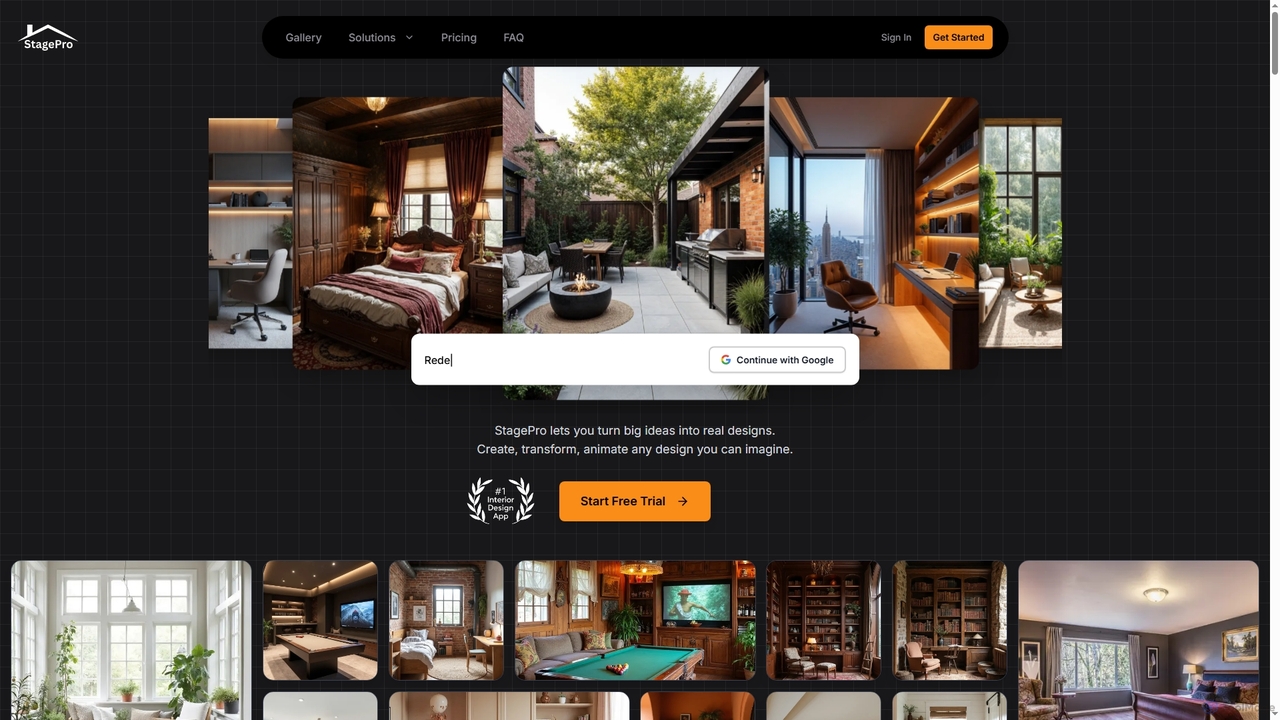
StagePro is an advanced AI-powered interior and exterior design tool that transforms any space into photorealistic visualizations in …

7.6K

About Outdoor Planning

AI Outdoor Planning tools are specialized applications that use artificial intelligence to help users design, visualize, and manage outdoor spaces like gardens, patios, and backyards. Leveraging generative design and 3D modeling, these tools can automatically suggest layouts, select appropriate plants, and create realistic visualizations based on user inputs. They empower homeowners and DIY enthusiasts to create professional-looking landscape plans without extensive technical knowledge. This technology simplifies complex decisions regarding plant placement, hardscape arrangement, and material selection.

Core Features

  • Automated Layout Generation: Suggests optimal arrangements for plants, furniture, and pathways based on spatial dimensions and style preferences.
  • Intelligent Plant Recommendation: Recommends flora based on local climate, soil type, sun exposure, and user-defined aesthetics.
  • 3D Visualization & AR Preview: Creates interactive 3D models of the design and allows users to project it onto their actual space using augmented reality.
  • Sun & Shade Simulation: Analyzes and visualizes the movement of sun and shade across the area throughout the day and seasons to inform plant placement.
  • Material & Quantity Estimation: Calculates the amount of materials needed, such as soil, mulch, or pavers, and provides a preliminary cost estimate.

Use Cases

These tools are primarily used by homeowners, DIY garden enthusiasts, and small-scale landscaping contractors. Common applications include redesigning a backyard, planning a new flower or vegetable garden from scratch, visualizing a new deck or patio before construction, and experimenting with different plant combinations to achieve a desired aesthetic for different seasons.

How to Choose

When selecting an AI Outdoor Planning tool, consider the quality of its 3D rendering and AR capabilities for realistic visualization. Evaluate the breadth and regional accuracy of its plant and object library. Assess the user interface for ease of use, especially for non-professionals. Finally, check if the tool offers practical features like material estimation and sun analysis to support the entire planning process.

Outdoor PlanningUse Cases

1

DIY Backyard Makeover Design

A homeowner wants to completely redesign their outdated backyard. Using an AI Outdoor Planning tool, they input the dimensions of their yard, select a 'modern minimalist' style, and specify key features like a patio and a fire pit. The AI generates several layout options, intelligently placing pathways, seating areas, and planting beds. The user then uses the AR preview feature to walk through the virtual design in their actual backyard, helping them make confident decisions on materials and plant choices before committing to any purchases.

2

Planning a Climate-Appropriate Garden

A gardener living in a hot, dry climate wants to create a water-wise garden. They use an AI planning tool to filter its extensive plant library for drought-tolerant and native species. The tool's sun/shade simulation feature helps them identify the sunniest spots for succulents and cacti, and shadier areas for more delicate native perennials. The AI also suggests companion plantings that thrive together, creating a sustainable and beautiful ecosystem that requires minimal irrigation and maintenance.

3

Visualizing a New Patio for a Client

A small landscaping contractor needs to present a design proposal for a new stone patio to a client. Instead of relying on 2D sketches, the contractor uses an AI Outdoor Planning tool to quickly generate a realistic 3D model. They can instantly change paver materials, add outdoor furniture, and incorporate lighting to show the client different options. This high-quality visualization helps the client better understand the final look and feel, leading to faster approvals and a clearer project scope, ultimately saving time for both parties.

4

Optimizing a Small Balcony Garden

An apartment dweller with a small balcony wants to maximize their limited space for growing herbs and flowers. They use an AI planning tool to create a precise 3D model of their balcony. The AI suggests vertical gardening solutions, recommends compact plant varieties suitable for containers, and helps arrange them to ensure each plant receives adequate sunlight based on the balcony's orientation. The tool's object library allows them to experiment with different pot sizes and styles to create a functional and aesthetically pleasing micro-garden.

5

Seasonal Flower Bed Planning

An avid gardener aims to have continuous blooms in their flower beds from spring through fall. They use an AI Outdoor Planning tool that includes a plant database with detailed information on bloom times, colors, and heights. The tool allows them to create a timeline visualization, showing how the garden will look in April, July, and October. The AI can suggest plant pairings that offer sequential blooming and complementary colors, helping the gardener design a dynamic, multi-season display with much less manual research.

6

Budgeting for a New Garden Project

A couple is planning a new garden but has a strict budget. They use an AI Outdoor Planning tool to design their layout, including a small vegetable patch, a gravel path, and several flower beds. As they add elements to the design, the tool's material estimation feature automatically calculates the required volume of topsoil, number of paver stones, and bags of mulch. This provides them with a real-time, itemized list and a preliminary cost estimate, allowing them to adjust the design's scale or materials to stay within their budget before starting any work.

Outdoor PlanningFrequently Asked Questions