Triptherapy
Triptherapy offers a free, anonymous, and private AI chat service for emotional support. Users aged 18+ can talk …
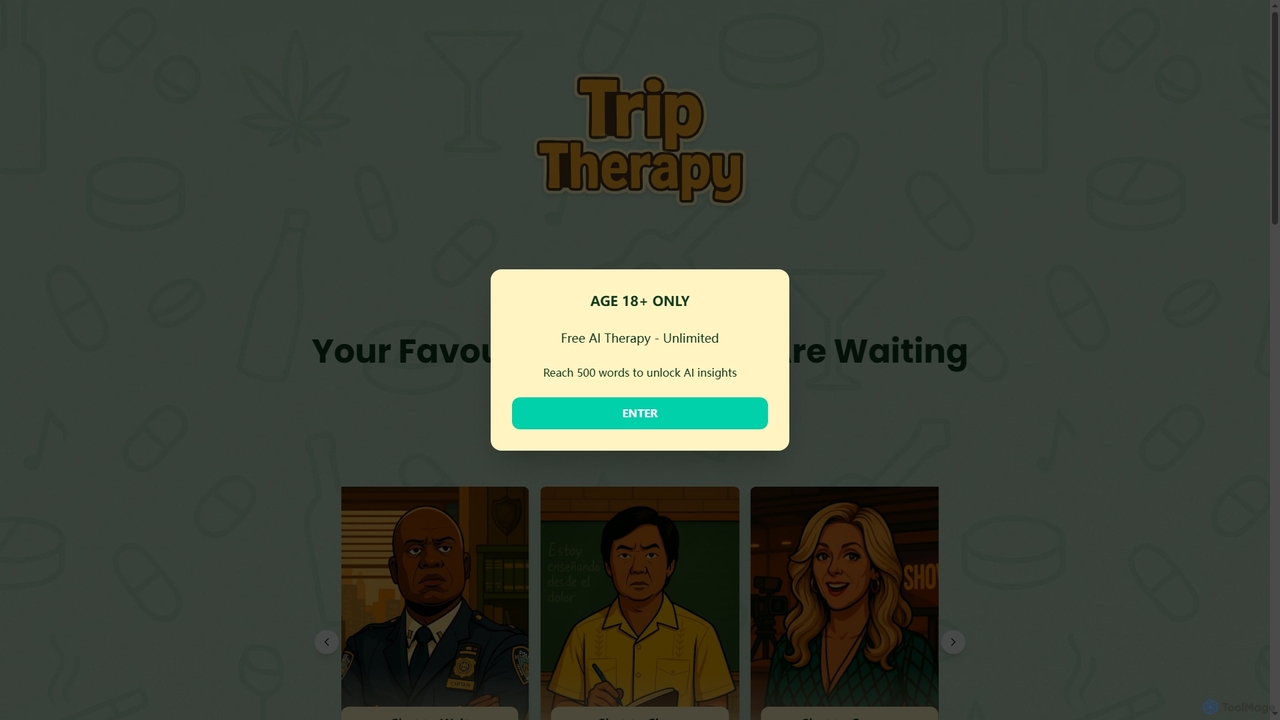
Triptherapy offers a free, anonymous, and private AI chat service for emotional support. Users aged 18+ can talk to various AI companions 24/7 to vent feelings and gain clarity. It ensures complete privacy by not storing any data. An optional AI-generated chat summary with tips is available for a small fee.
About Personal Well Being
Personal Well Being AI tools are applications designed to support and improve an individual's mental, emotional, and physical health. They leverage technologies like machine learning and natural language processing to offer personalized guidance, track progress, and provide accessible support. As a specialized area within the Lifestyle category, these tools act as digital coaches, mindfulness guides, or health companions. They empower users to manage stress, build healthy habits, and gain data-driven insights into their overall well-being.
Core Features
- Personalized Coaching & Guidance: AI-driven advice for fitness, meditation, or mental health based on user data and goals.
- Mood & Habit Tracking: Tools to log emotions, activities, and habits, with AI analysis to identify patterns and triggers.
- AI-Powered Conversations: Empathetic chatbots for mental health support, guided journaling, or practicing mindfulness techniques.
- Biometric Data Analysis: Integration with wearables to analyze sleep patterns, activity levels, and physiological stress indicators.
- Guided Wellness Sessions: AI-curated or generated sessions for meditation, breathing exercises, and physical fitness routines.
Use Cases
These tools are widely used by individuals seeking to manage daily stress, improve sleep quality, or build consistent fitness routines. They are also valuable for people looking for accessible mental health support for non-clinical issues. In corporate wellness programs, they can be deployed to support employee well-being and reduce burnout by offering scalable, private resources.
How to Choose
When selecting a tool, consider its scientific backing and the evidence behind its methods (e.g., CBT, mindfulness). Evaluate the privacy policy to understand how your sensitive data is handled and protected. Assess the level of personalization and whether the AI feedback is genuinely helpful for your goals. Finally, check the subscription model for transparency and any hidden costs for premium features.
Personal Well BeingUse Cases
Managing Daily Anxiety with an AI Companion
A young professional feeling overwhelmed by work pressure uses an AI chatbot for daily support. They engage in brief daily check-ins and follow guided breathing exercises suggested by the AI during stressful moments. The user also utilizes the journaling feature to articulate their thoughts. Over time, the AI identifies recurring stress triggers from their entries and suggests cognitive behavioral therapy (CBT) techniques to reframe negative thought patterns, providing immediate and private support.
Improving Sleep Quality through AI Analysis
An individual struggling with poor sleep uses an app that syncs with their smartwatch. The AI analyzes their sleep stages, heart rate variability, and nighttime movements. Based on this data, it provides a detailed daily sleep report and actionable insights. For example, it might identify that late-night screen time is correlated with reduced deep sleep and suggest a 'digital detox' an hour before bed, helping the user make informed lifestyle changes to improve their rest.
Building a Consistent Fitness Routine with AI Coaching
A user wants to start exercising but lacks motivation and proper form. They use an AI fitness coach that creates a personalized weekly workout plan based on their goals and fitness level. During workouts, the app uses the phone's camera to provide real-time feedback on their form for exercises like squats and lunges. This computer vision feature corrects their posture and movement, reducing the risk of injury and ensuring the effectiveness of each exercise, making them feel more confident and motivated.
Practicing Mindfulness Through Guided Meditation
A student looking to improve focus and reduce exam stress uses a guided meditation app. The AI recommends specific meditation sessions based on their current mood, which they log in the app. It offers sessions of varying lengths for different situations, such as a quick 5-minute mindfulness break between study sessions or a longer 20-minute deep relaxation session before bed. The personalization helps the student find the right practice at the right time, making mindfulness a practical and integrated part of their daily routine.
Tracking Moods to Understand Emotional Patterns
An individual seeking to better understand their emotional fluctuations uses an AI-powered mood journal. They log their mood several times a day, along with activities and social interactions. The AI analyzes this data over weeks, generating charts that reveal correlations. For instance, it might highlight that their mood consistently improves after exercise but dips after consuming caffeine. These insights empower the user with self-awareness to make proactive choices that support their emotional well-being.
Developing Healthy Habits with an AI Accountability Partner
A user wants to build habits like drinking more water and taking regular breaks from their desk. They use an AI habit tracker to set goals and receive intelligent reminders. The AI learns their schedule and sends notifications at optimal times, not just at fixed intervals. It provides positive reinforcement through progress streaks and visual data, making the process of habit formation more engaging. This turns the app into an accountability partner that adapts to the user's lifestyle and helps them stay on track.