ScanWatch
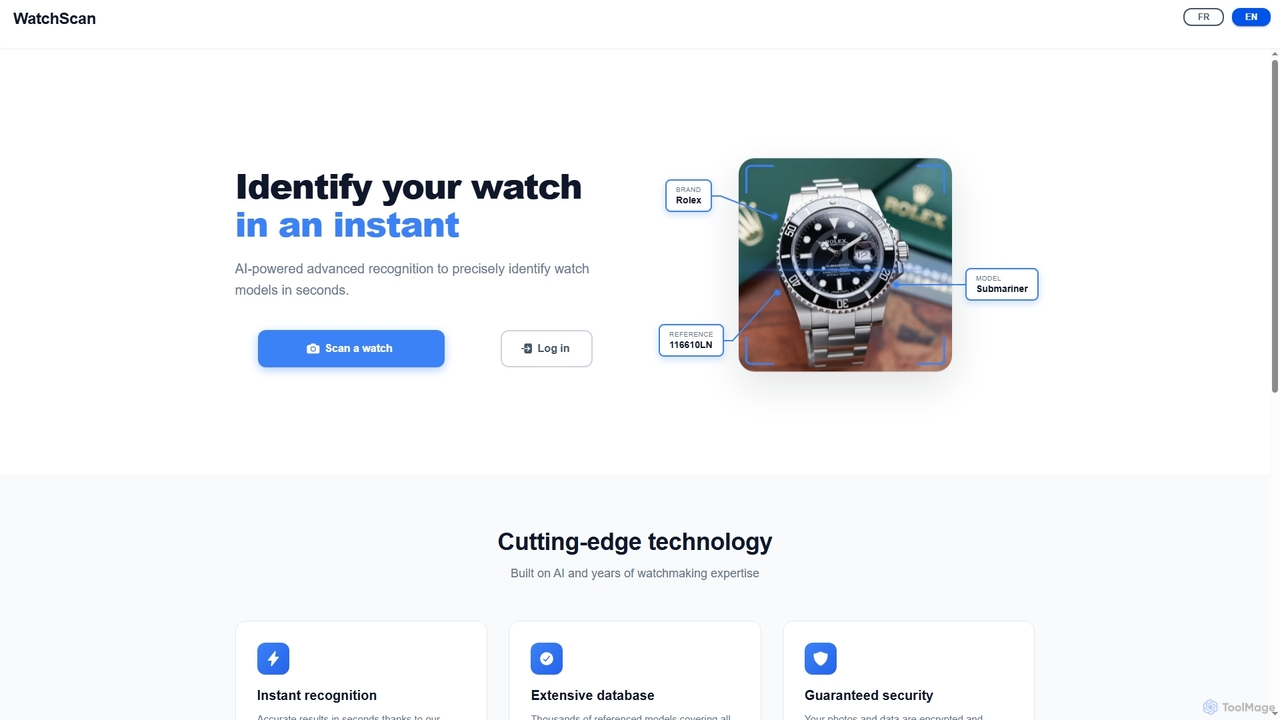
ScanWatch is an AI-powered advanced recognition tool designed to instantly identify watch models, brands, and references with high …
ScanWatch is an AI-powered advanced recognition tool designed to instantly identify watch models, brands, and references with high accuracy. It leverages an extensive database and machine learning to provide rapid results for watch enthusiasts and professionals.
About Luxury Goods
Luxury Goods AI tools are advanced AI-powered platforms designed to enhance various aspects of the high-end market, from product creation to customer experience. These tools leverage machine learning, computer vision, and natural language processing to deliver unparalleled personalization, authenticity verification, and operational efficiency within the luxury sector. They empower brands to maintain exclusivity, understand discerning clientele, and innovate in design and service, ultimately elevating brand value and customer loyalty in a competitive landscape.
Core Features
- AI-Powered Design & Customization: Generates unique design concepts and allows for hyper-personalized product configurations based on client preferences.
- Personalized Client Experience: Delivers bespoke recommendations, virtual try-ons, and AI-driven concierge services for high-net-worth individuals.
- Authenticity & Provenance Verification: Utilizes AI to analyze product details, historical data, and blockchain records to confirm the genuineness of luxury items.
- Market Trend Analysis: Predicts emerging luxury trends, consumer demand shifts, and optimal pricing strategies through advanced data analytics.
- Optimized Production & Supply Chain: Streamlines the manufacturing of exclusive collections and ensures ethical sourcing and quality control for premium materials.
Use Cases
Luxury brands utilize these AI tools to create truly unique offerings, such as bespoke jewelry designs generated from customer input, or to offer virtual styling sessions that recommend high-fashion items tailored to individual profiles. They are also crucial for verifying the authenticity of pre-owned luxury watches or handbags, building trust and combating counterfeiting in the secondary market.
How to Choose
When selecting Luxury Goods AI tools, prioritize solutions that offer robust data security and privacy protocols, given the sensitive nature of high-net-worth client data. Evaluate their integration capabilities with existing CRM and e-commerce platforms, and assess the level of customization available to ensure the tool aligns with your brand's unique aesthetic and operational needs. Consider the vendor's expertise in the luxury sector and their ability to provide scalable, high-touch support.
Luxury GoodsUse Cases
AI-Driven Bespoke Jewelry Design
A high-end jewelry brand uses AI design tools to co-create unique pieces with clients. Customers provide preferences for gemstones, metals, and styles, and the AI generates multiple design concepts in real-time. This allows for rapid iteration and visualization, ensuring the final product perfectly matches the client's vision, significantly reducing design lead times and enhancing the personalized luxury experience.
Personalized Virtual Styling & Concierge
A luxury fashion retailer deploys an AI-powered virtual stylist that analyzes a client's past purchases, style preferences, and body type to recommend exclusive apparel and accessories. This tool also acts as a 24/7 concierge, answering queries about new collections, booking private appointments, and offering personalized shopping advice, elevating the digital customer journey to match in-store exclusivity.
Authenticity Verification for Pre-Owned Luxury Items
Online marketplaces for pre-owned luxury goods leverage AI and computer vision to verify the authenticity of items like designer handbags, watches, and fine art. The AI analyzes intricate details, serial numbers, material textures, and historical data points, cross-referencing them with known genuine product databases. This process significantly reduces the risk of counterfeits, building trust and ensuring value for both sellers and buyers.
Hyper-Targeted Marketing for Affluent Clients
A luxury automotive brand uses AI to analyze demographic data, online behavior, and lifestyle indicators to identify potential high-net-worth clients. The AI then crafts hyper-personalized marketing messages and recommends specific vehicle models or exclusive events tailored to individual interests. This precision targeting maximizes marketing ROI by reaching the most receptive audience with relevant, high-value propositions.
Optimizing Production of Limited Edition Collections
A luxury apparel manufacturer employs AI to optimize the production of limited edition collections. The AI analyzes material availability, craftsmanship capacity, and demand forecasts to create efficient production schedules, minimize waste, and ensure the highest quality standards are met for each exclusive item. This ensures timely delivery of rare goods while maintaining brand integrity and exclusivity.
Predictive Trend Forecasting for Luxury Markets
Luxury market analysts utilize AI to predict upcoming trends in fashion, accessories, and lifestyle. By analyzing vast datasets including social media sentiment, runway shows, economic indicators, and historical sales, the AI identifies emerging patterns in colors, materials, and styles. This foresight enables brands to proactively design and source for future collections, staying ahead of the curve and maintaining their innovative edge.