Market Research Best in category 1 results Business Intelligence AI Tool

Popular AI tools in the Business Intelligence field of Market Research include Encubatorr, etc., helping you quickly improve efficiency.

Encubatorr

Encubatorr

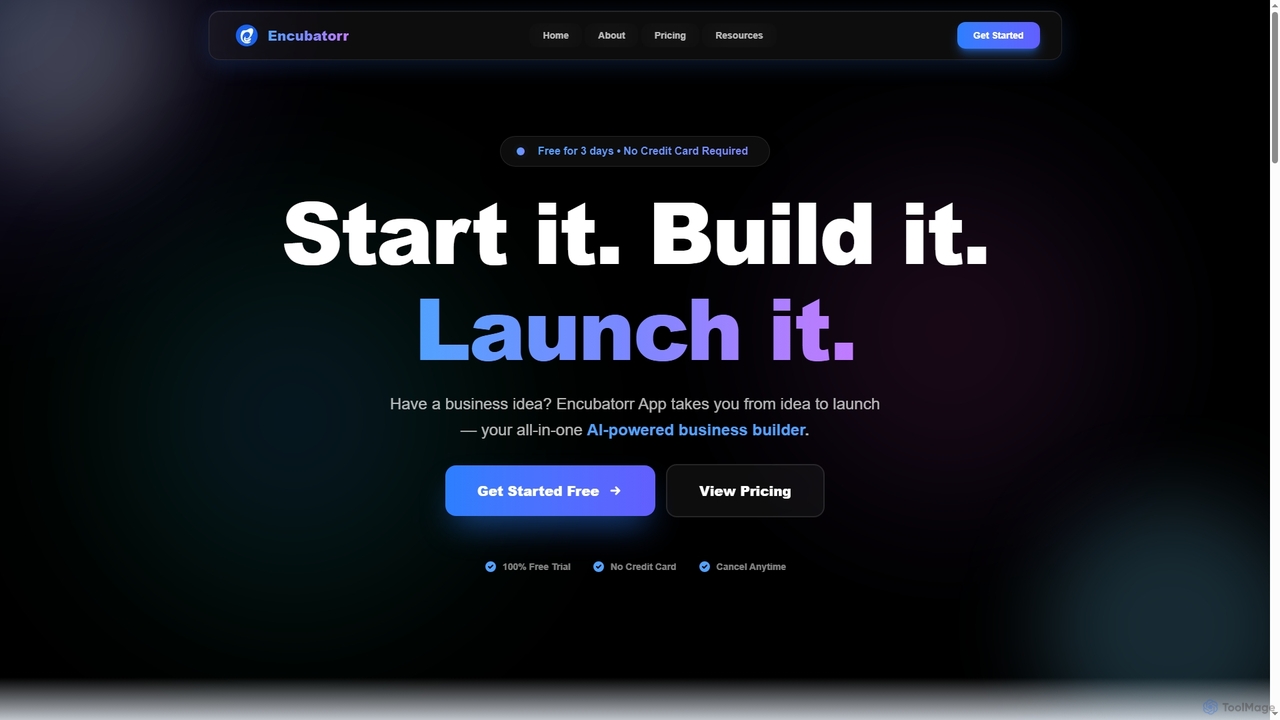
Encubatorr is an all-in-one AI-powered business builder designed to guide entrepreneurs from initial idea to successful launch. It …

6.6K

About Business Intelligence

Business Intelligence (BI) tools are AI-powered platforms designed to collect, process, and analyze vast amounts of business data from various sources, transforming raw information into actionable insights. These solutions empower organizations to make data-driven decisions, optimize operations, and develop robust strategic plans. Leveraging advanced analytics, machine learning, and interactive visualization capabilities, BI tools reveal critical trends, patterns, and opportunities within complex datasets, driving growth, efficiency, and competitive advantage.

Core Features

  • Data Integration: Connects seamlessly with diverse data sources like CRM, ERP, databases, cloud services, and spreadsheets for a unified, holistic view of business operations.
  • Interactive Dashboards: Creates dynamic, customizable dashboards and reports that visualize key performance indicators (KPIs), trends, and metrics, allowing for real-time monitoring and exploration.
  • Predictive Analytics: Utilizes AI and machine learning models to forecast future business outcomes, sales trends, customer behaviors, and potential risks, aiding proactive decision-making.
  • Automated Reporting: Generates scheduled reports automatically, ensuring timely delivery of critical insights to stakeholders across different departments without manual intervention.
  • Ad-hoc Querying: Empowers business users to explore data independently, create custom reports, and answer specific business questions on demand, reducing reliance on IT teams.

Application Scenarios

Businesses across various sectors extensively utilize Business Intelligence for comprehensive sales performance tracking, in-depth customer behavior analysis, and continuous operational efficiency monitoring. It is crucial for accurate financial forecasting, identifying emerging market opportunities, optimizing inventory management, and enhancing supply chain visibility. BI tools also play a vital role in understanding market dynamics and competitor landscapes, providing a data-driven foundation for strategic growth initiatives.

How to Choose

When selecting a Business Intelligence tool, it is essential to consider its compatibility with your existing data infrastructure and diverse data sources. Evaluate the breadth and flexibility of its data visualization capabilities, ensuring it can present insights clearly to various audiences. Prioritize ease of use for non-technical business users, scalability to accommodate future data growth, and seamless integration potential with other enterprise systems. Additionally, assess the sophistication of its AI-driven insights, predictive modeling features, and the level of support for mobile access and collaborative functionalities.

Business IntelligenceUse Cases

1

Sales Performance Optimization

Sales managers leverage Business Intelligence tools to analyze historical and real-time sales data across products, regions, and customer segments. By visualizing key metrics like revenue, conversion rates, and average deal size, they can identify top-performing areas, pinpoint underperforming products, and understand seasonal trends. This enables them to optimize sales strategies, allocate resources more effectively, and forecast future sales with greater accuracy, ultimately boosting overall sales efficiency and revenue.

2

Customer Behavior Analysis

Marketing teams and product managers use BI platforms to gain deep insights into customer demographics, purchasing habits, and engagement patterns. By integrating data from CRM, website analytics, and social media, they can segment customers, identify high-value clients, and understand churn reasons. This intelligence allows for the personalization of marketing campaigns, development of targeted product features, and proactive customer retention strategies, leading to improved customer satisfaction and loyalty.

3

Operational Efficiency Improvement

Operations managers utilize Business Intelligence to monitor and analyze various operational metrics, such as supply chain performance, production line efficiency, and service delivery times. By tracking KPIs like inventory turnover, defect rates, and lead times, they can identify bottlenecks, inefficiencies, and areas for cost reduction. The insights derived help in streamlining workflows, optimizing resource allocation, and implementing process improvements to enhance overall operational productivity and reduce waste.

4

Financial Forecasting and Budgeting

Finance departments employ BI tools to analyze historical financial data, market trends, and economic indicators. This enables them to create accurate revenue forecasts, manage expenses, and develop robust budgets. By visualizing cash flow, profit margins, and cost centers, financial analysts can identify potential financial risks, optimize investment strategies, and ensure compliance. The data-driven insights support strategic financial planning and resource allocation across the organization.

5

Marketing Campaign Effectiveness Measurement

Digital marketing specialists use Business Intelligence to track the performance and return on investment (ROI) of various marketing campaigns across different channels. By analyzing metrics such as click-through rates, conversion rates, customer acquisition costs, and lead generation, they can determine which campaigns are most effective. This data-driven approach allows for real-time optimization of marketing spend, refinement of targeting strategies, and improved overall campaign performance, maximizing marketing ROI.

6

Risk Management and Fraud Detection

Compliance and risk management teams deploy BI solutions to monitor transactional data, operational logs, and user activities for unusual patterns or anomalies. By applying advanced analytics and machine learning, these tools can identify potential fraud, detect compliance breaches, or highlight emerging business risks. This proactive monitoring helps organizations mitigate financial losses, ensure regulatory adherence, and protect sensitive data, strengthening overall security and governance frameworks.

Business IntelligenceFrequently Asked Questions